
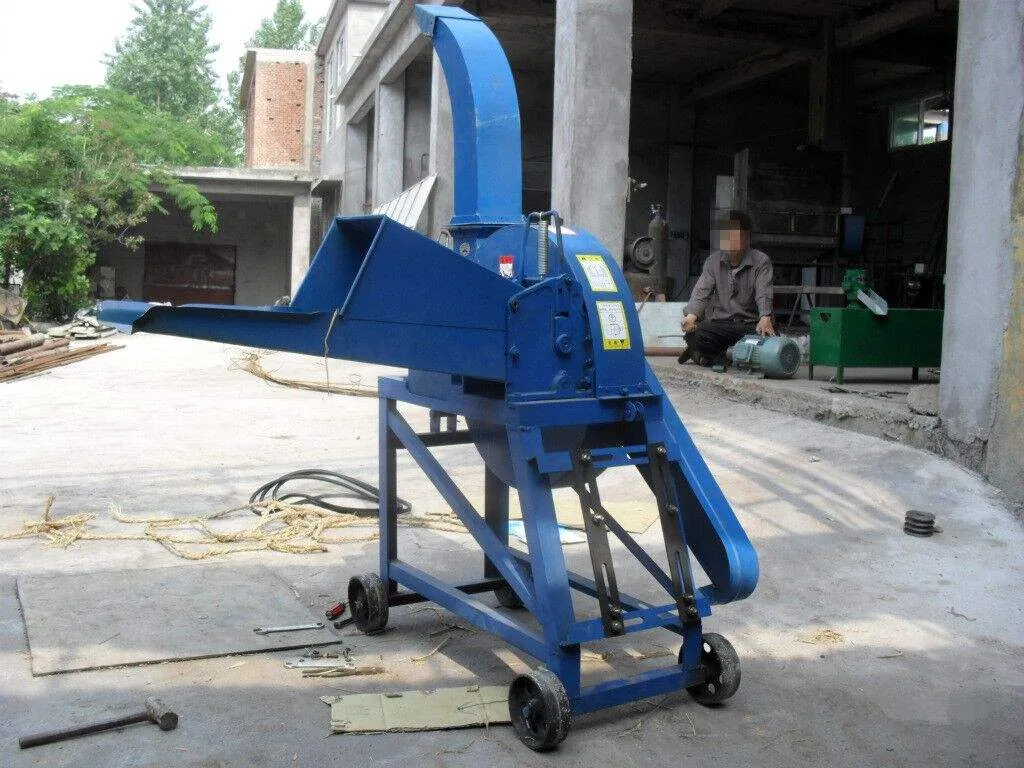
Electric chaff cutter
A practical starting point when the processing area has a suitable electric supply and a fixed receiving point.
Explore electric options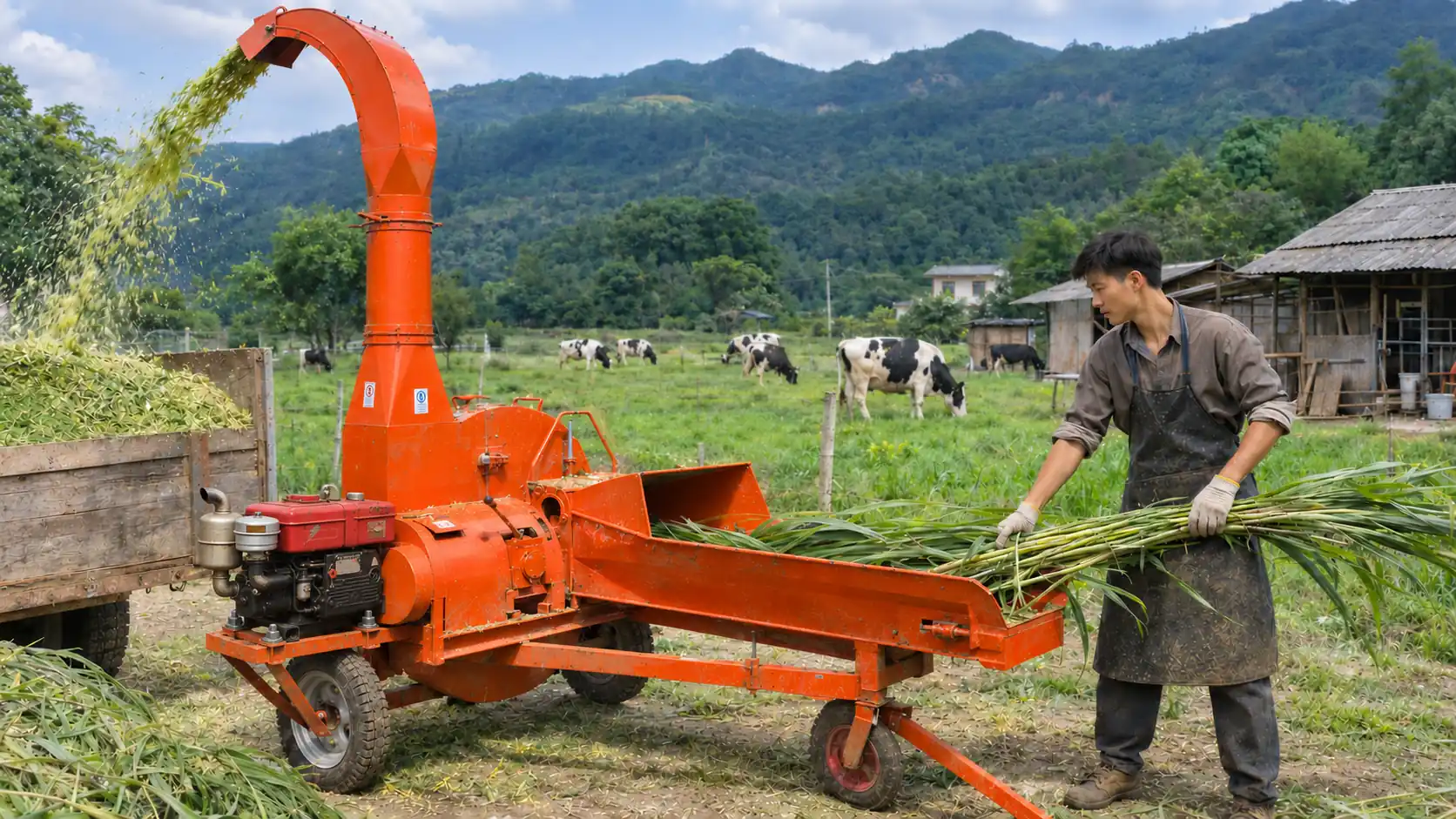
From the field to feed preparation.
Cut forage for feeding and silage. Process fibrous stalks. Grind dry feed ingredients. Find the equipment that fits your farm or project.
From field harvesting to cutting, kneading and grinding: explore what each machine can do for your material.
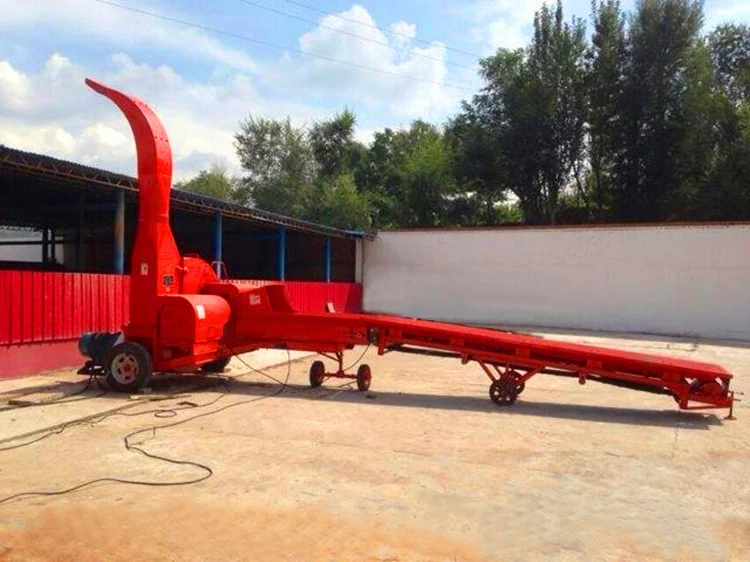
Cuts suitable grass, hay and stalks before collection, feeding or the next preparation step.
View chaff cutters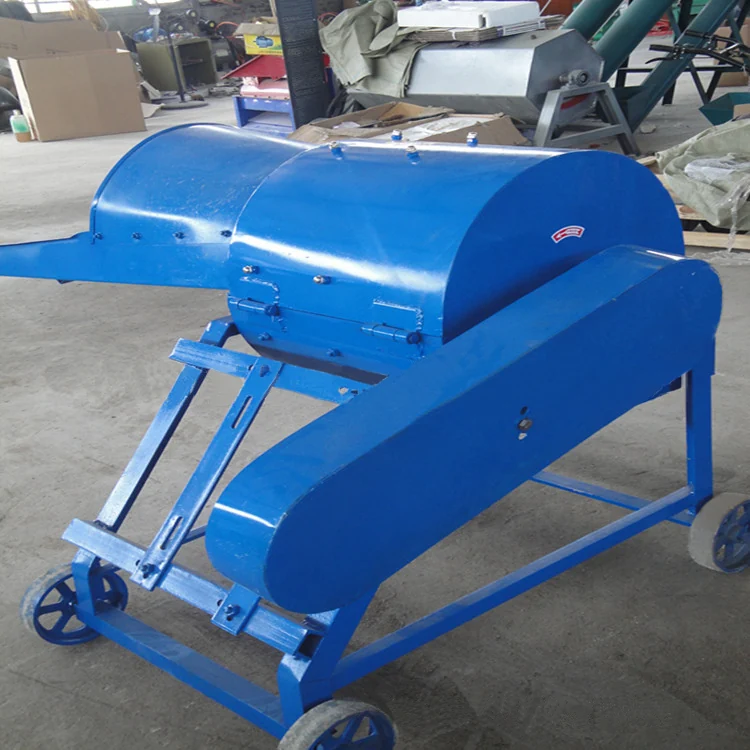
Works selected straw or stalk material when a softer, more workable fibre is needed.
View straw kneading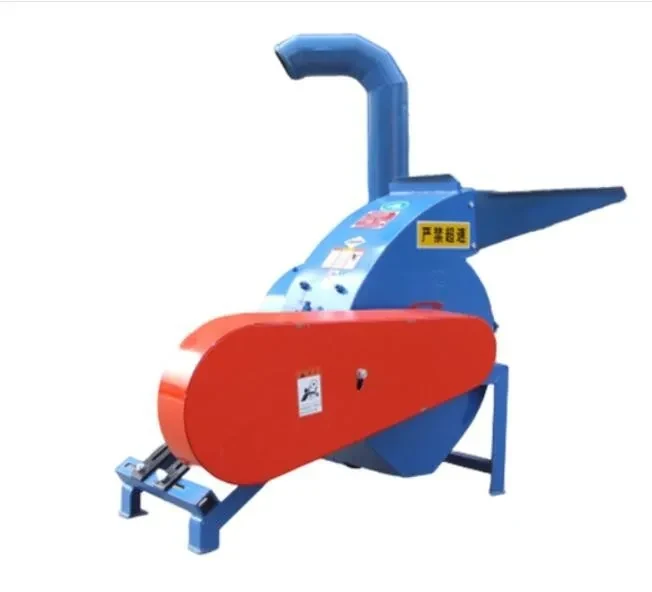
Grinds suitable dry ingredients for a later mixing, bagging or feed-preparation stage.
View feed crushers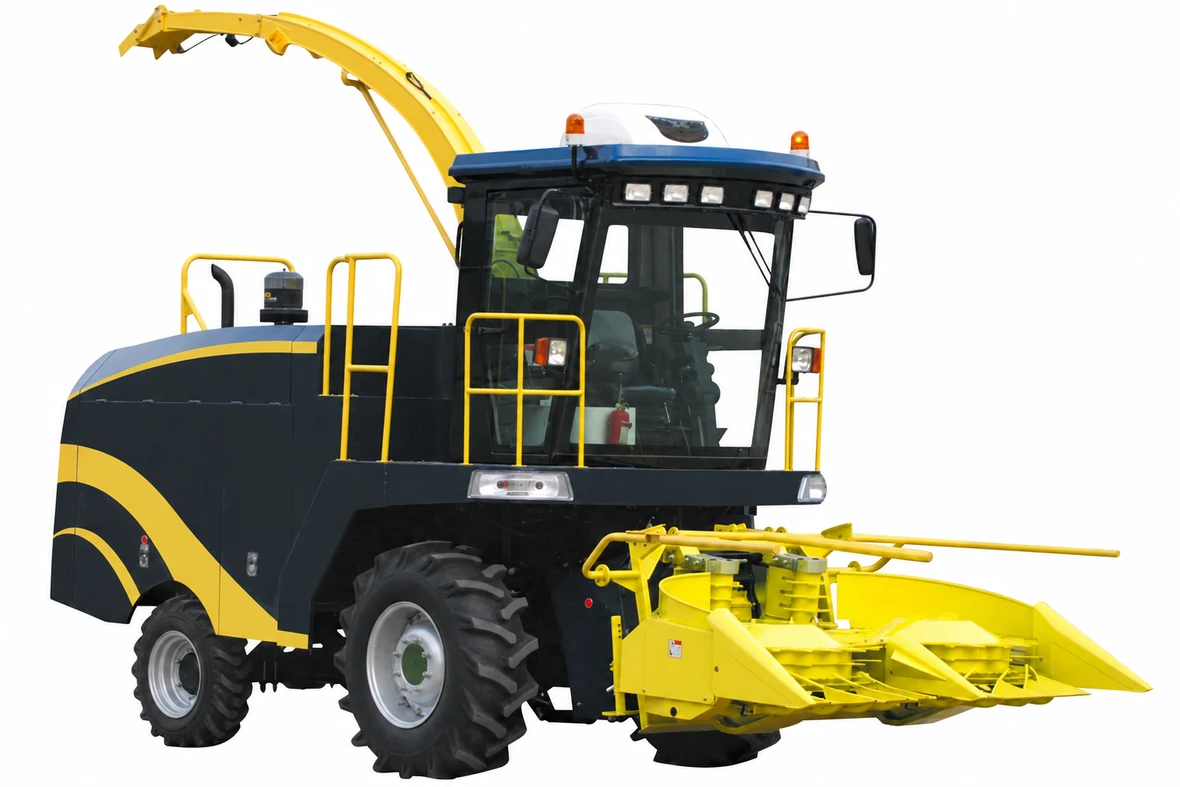
Cuts and chops standing forage crops in the field before collection or transfer.
View forage harvestersWhat are you cutting, where will you work, and how will you collect the output? Start with your material and available power.
A practical starting point when the processing area has a suitable electric supply and a fixed receiving point.
Explore electric options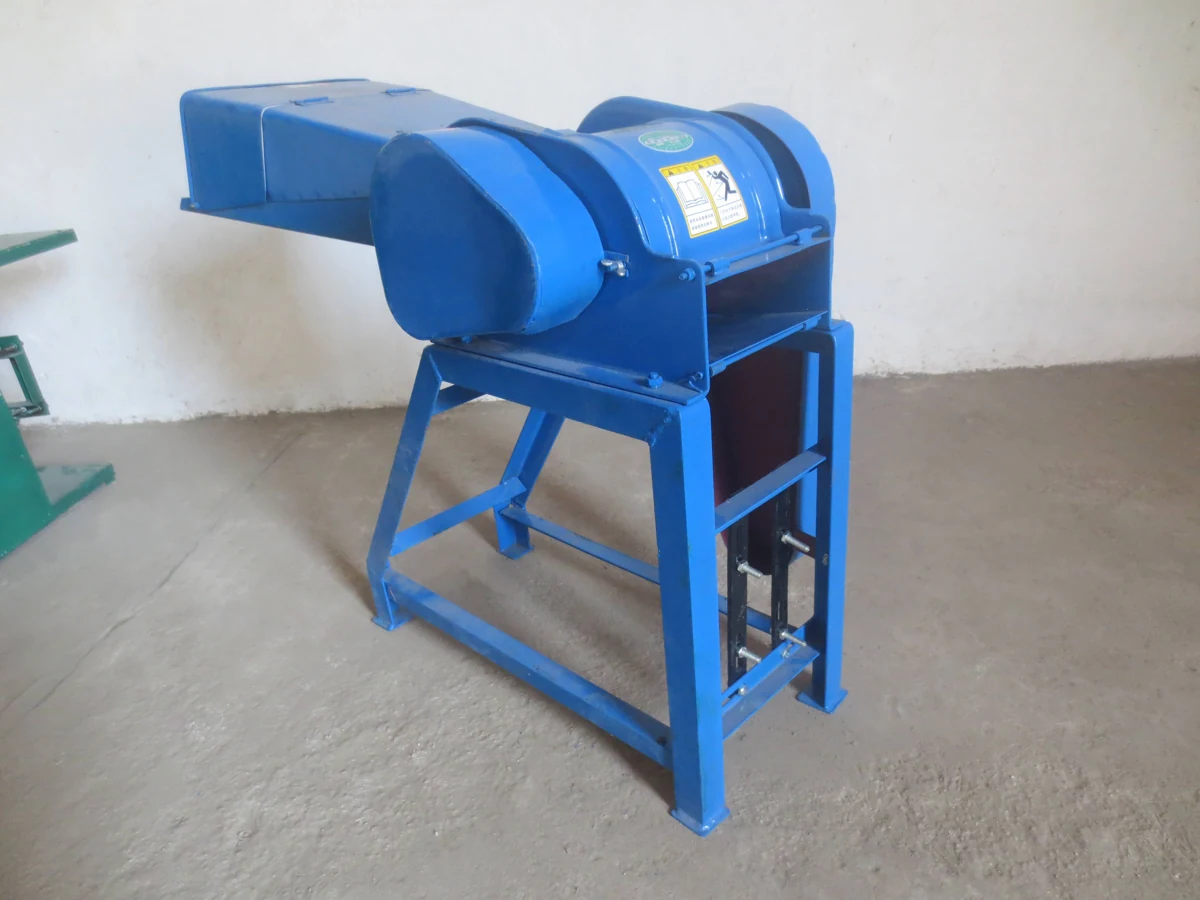
A compact route to review when space, daily workload and the available drive call for a smaller setup.
Explore mini options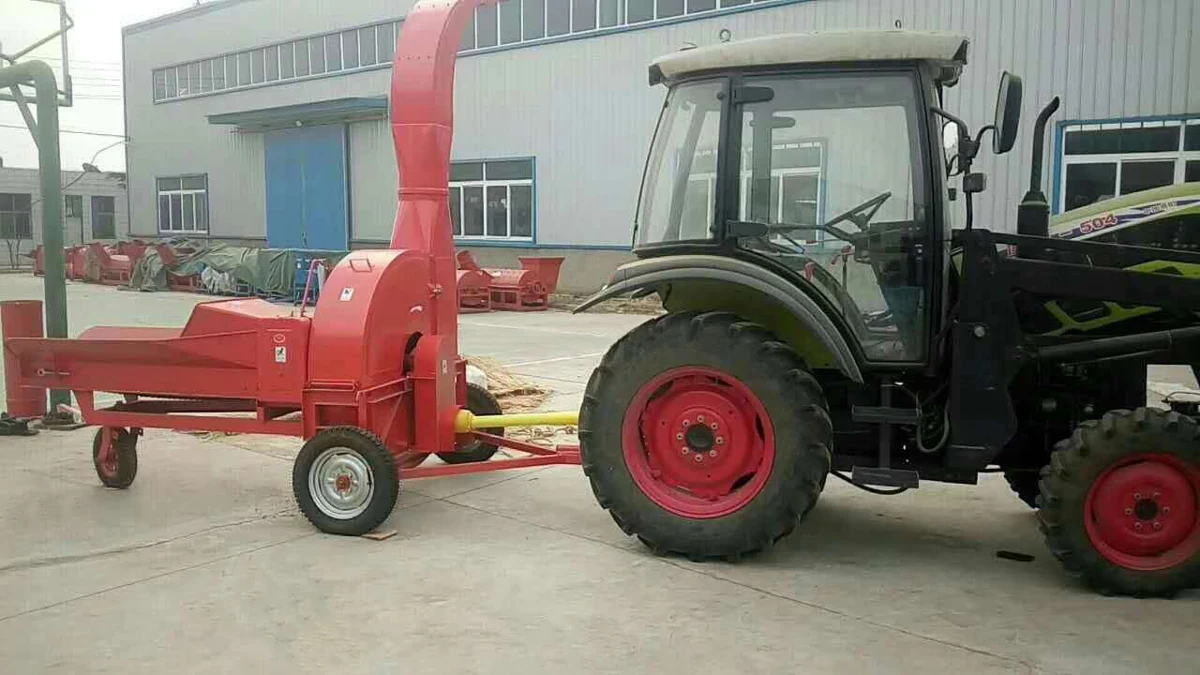
A route to compare when tractor power is available where the forage is handled and moved onward.
Explore tractor optionsExplore common starting points; each route still needs material and model confirmation. See the heavy-duty industrial chaff cutter.
See how cutting, material preparation and collection connect in your operation.
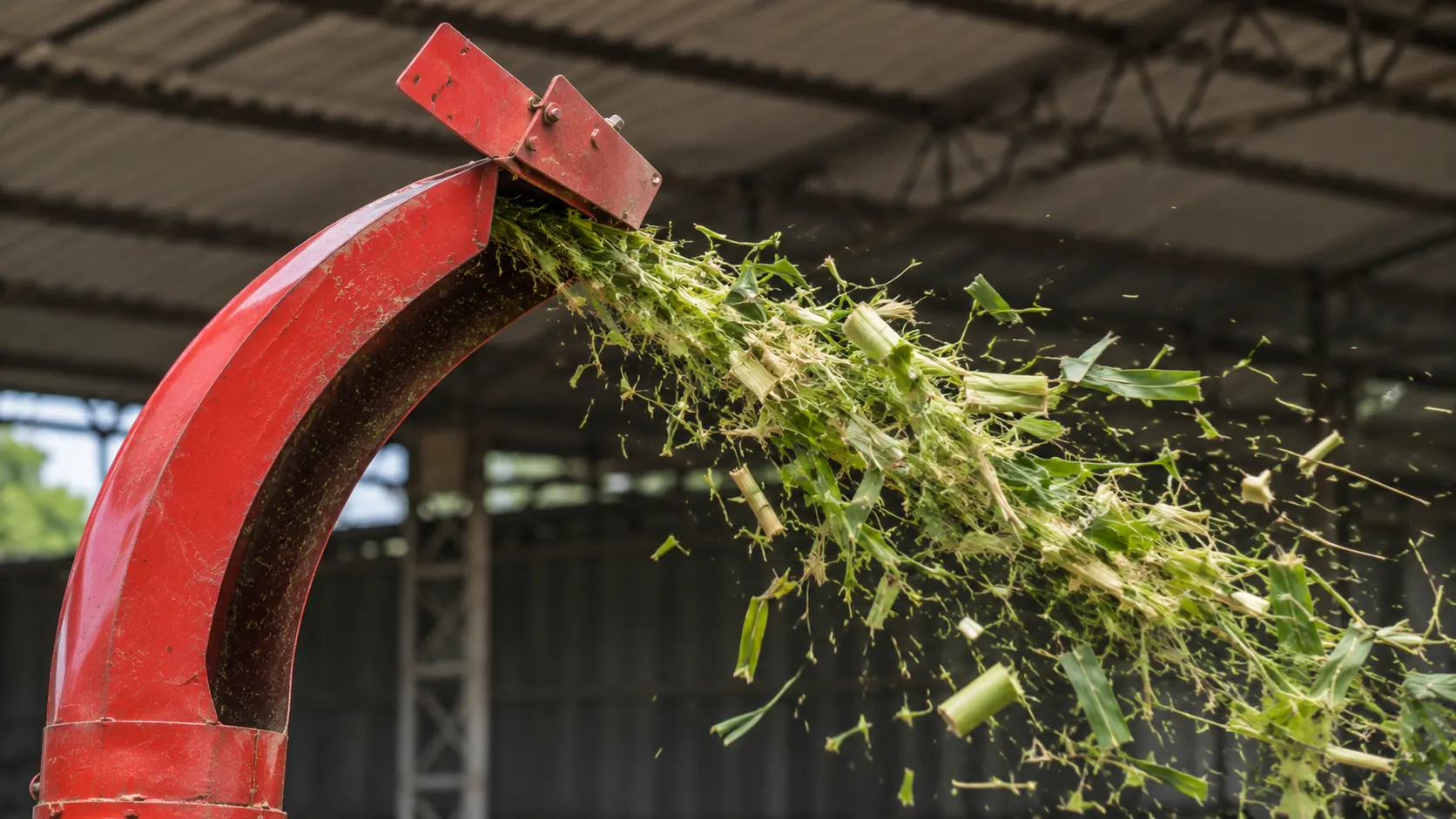
Cut suitable forage for the collection and feeding routine. Add straw kneading only when the material and the next job call for it.
Grass, hay or suitable stalks arrive at the preparation point.
The selected cutter prepares the forage for easier collection.
Move it to feeding, mixing or a planned silage step.
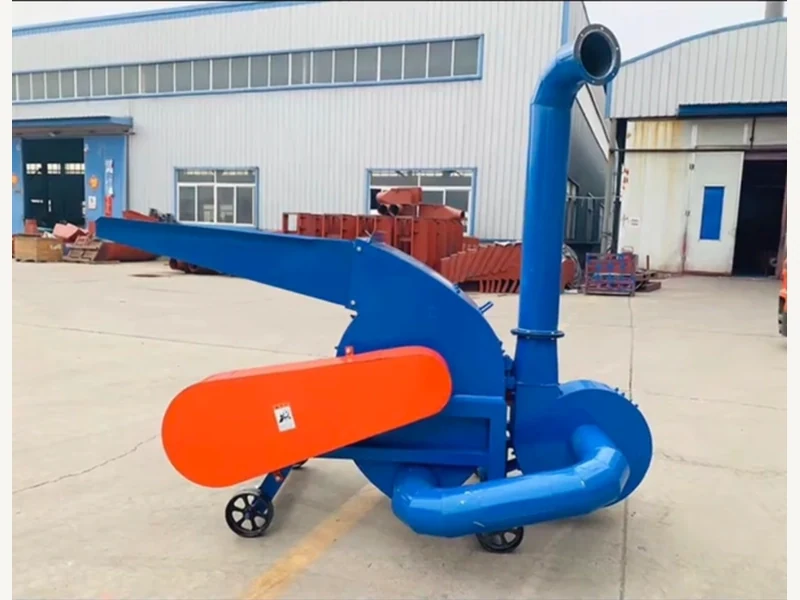
Grind suitable dry grain and feed ingredients before mixing or bagging. Discuss the material, target particle size and equipment that will receive the output.
Dry ingredients arrive with their condition and preparation needs known.
Review the crusher and drive configuration for the selected material.
Send the prepared ingredient to the agreed mixing, bagging or storage stage.
Discuss loose or baled residue, the chopping point and the agreed next process. The right machine depends on the material, condition and yard arrangement.
Collected crop residue reaches the agreed handling area.
Review a chaff cutter or related machine for the intended chopping job.
Move the prepared material to the next agreed process or storage point.
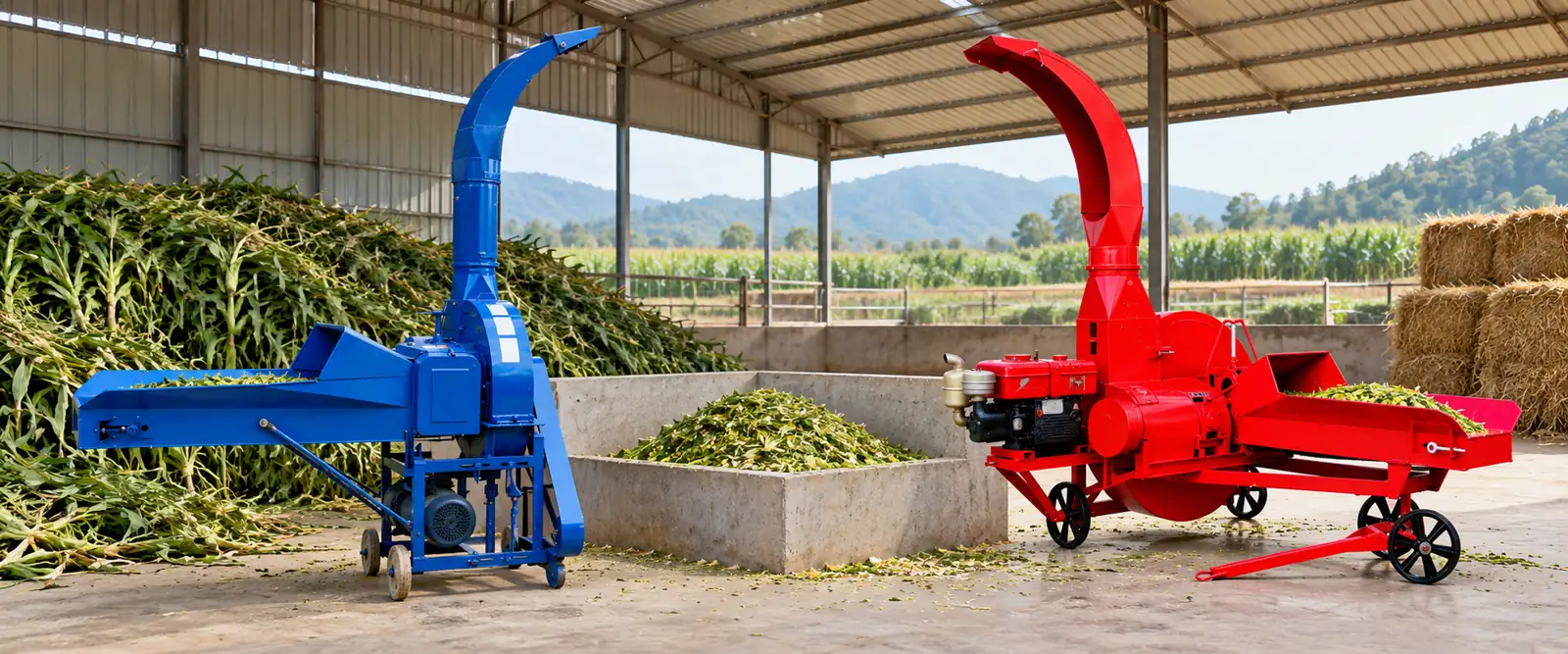
Look closely at the feed table, cutting chamber and outlet. Then talk through the configuration and supply details with Golden Machinery.
Tell us the crop or ingredient, its condition, how it will be handled and what should happen next.
Compare the feed and outlet layout, drive configuration and the equipment route that fits the job.
Agree what will be supplied and which interfaces, transport, installation or site work need separate confirmation.
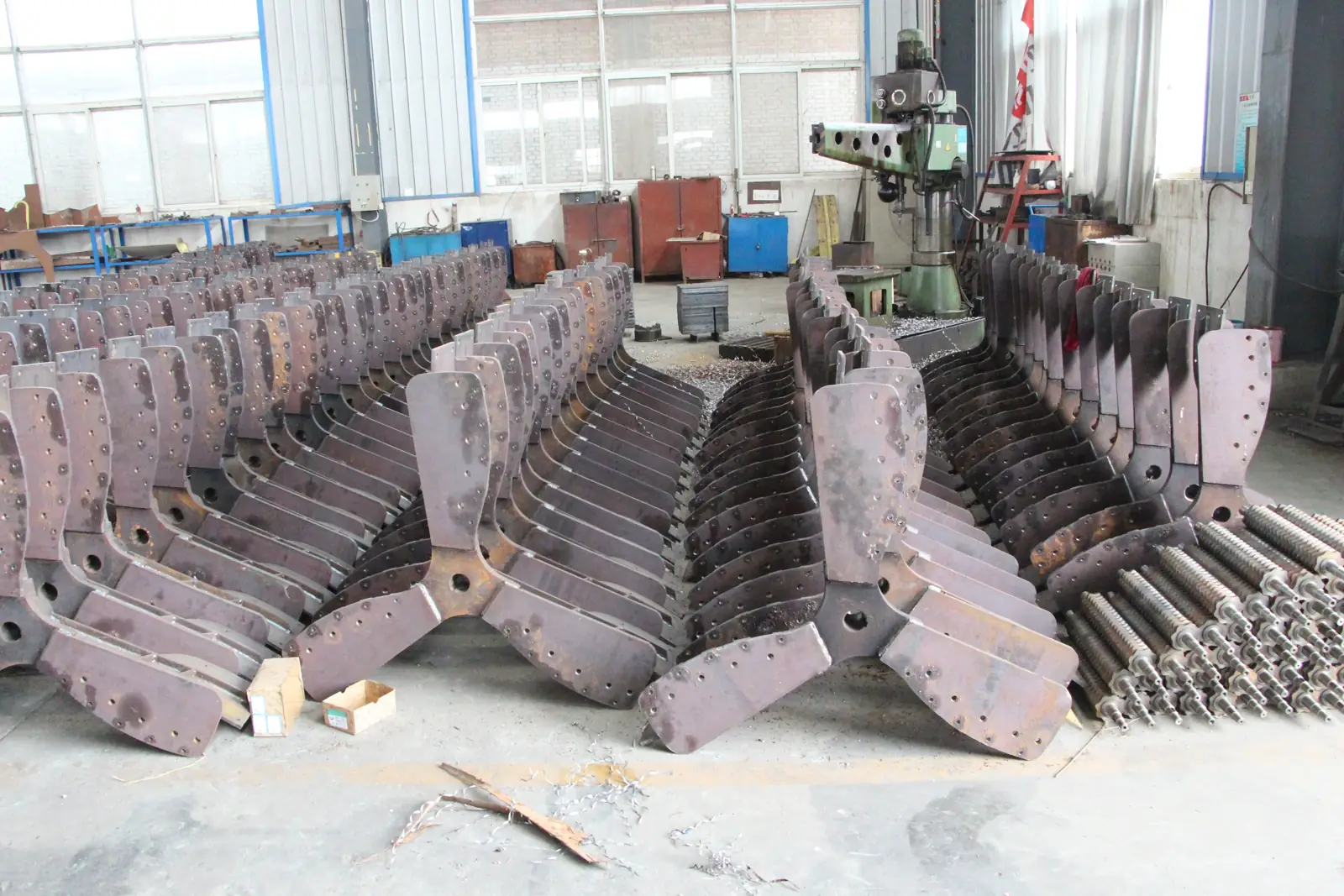
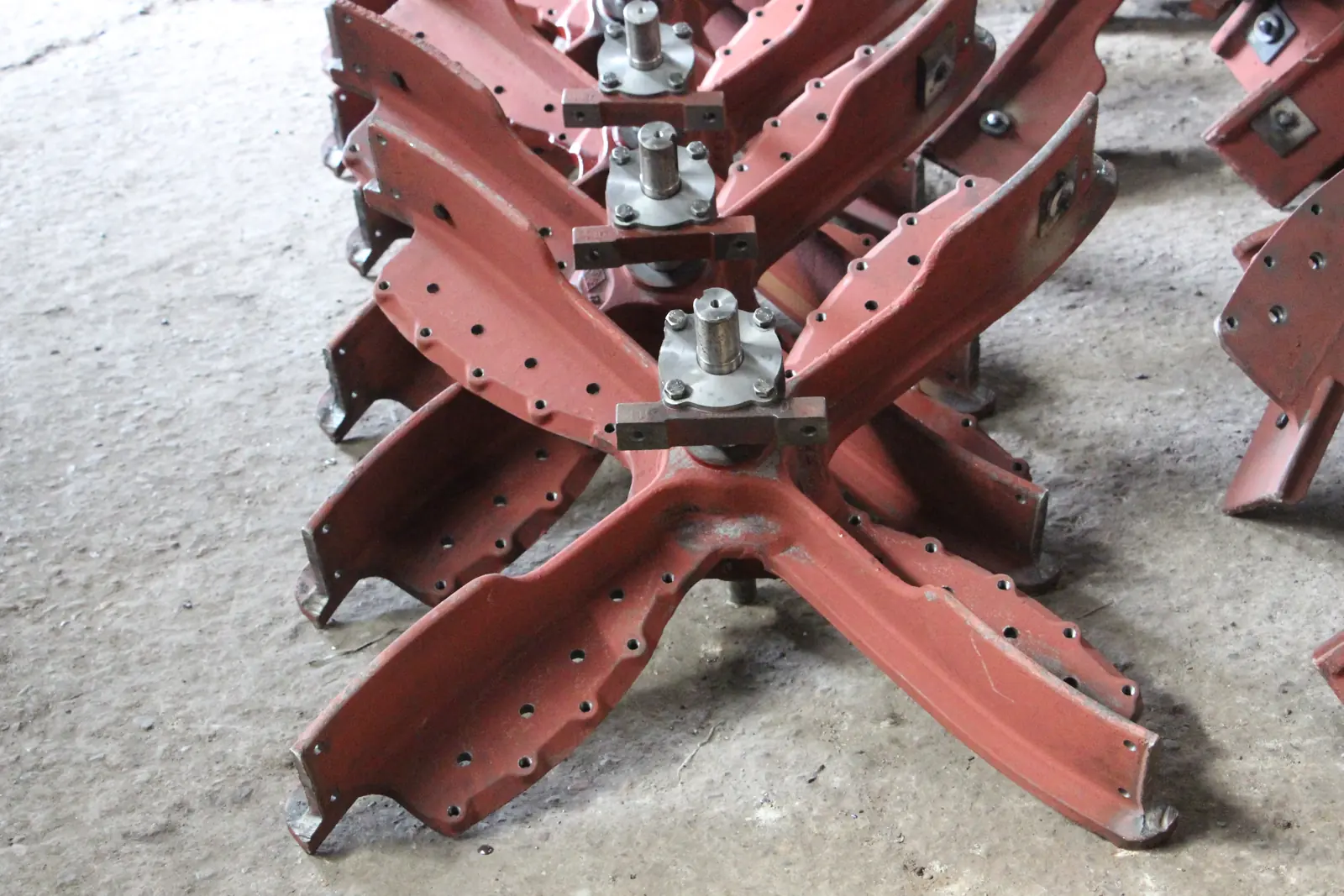
Matching a part starts with the machine model, a clear part photo or blade dimensions. Share those details so availability and delivery can be confirmed for your request.
Depending on the model, the useful reference may include:
Practical reading on power, crop preparation and storage—so your equipment choice fits the work ahead.
Power planning
What power is available at the cutting site, and what changes when the machine needs to move with the work?
Read the guide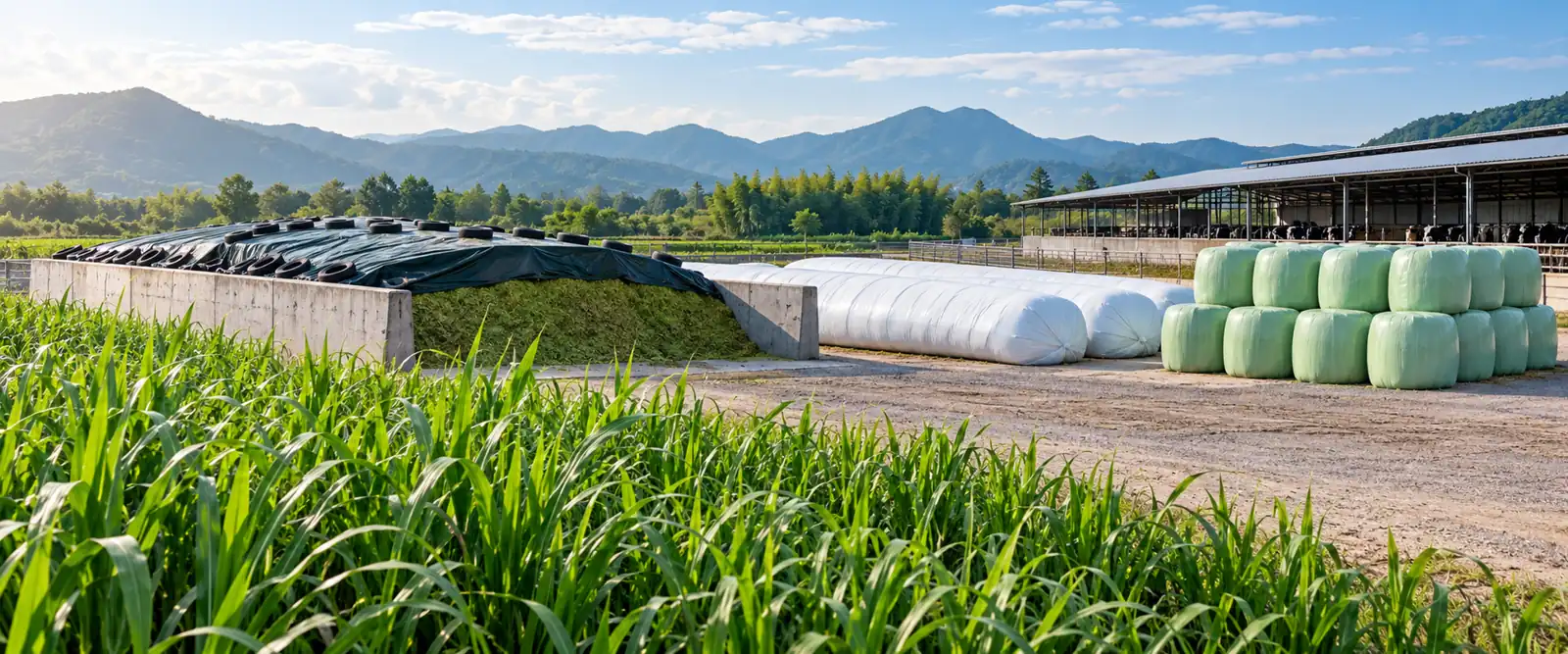
Review cutting, collection and storage questions before the next silage step.
Read the guide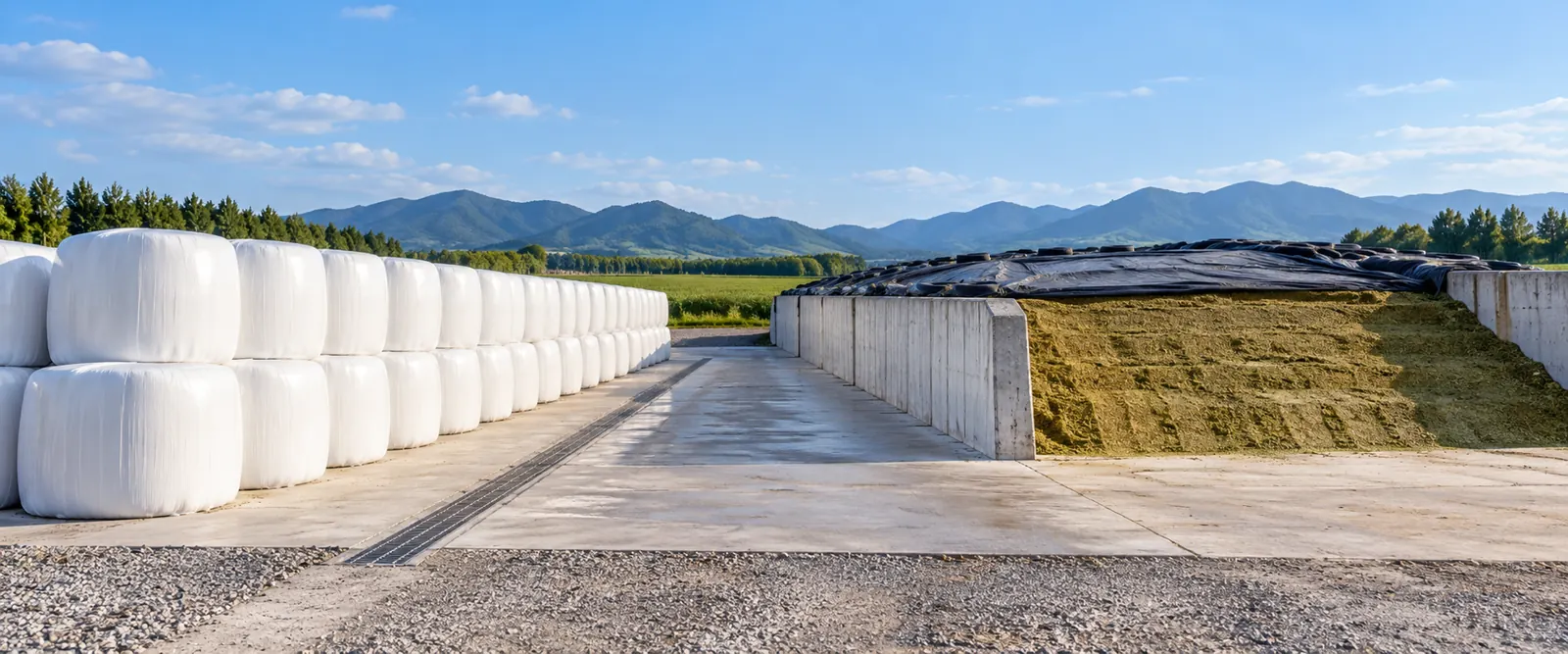
Compare the receiving, handling and storage questions that shape a silage route.
Read the guideA chaff cutter feeds suitable forage into a cutting chamber, where the selected blade arrangement cuts it before the material leaves through the outlet for collection or the next job. The crop, condition and model determine what is suitable.
A forage harvester is used around field harvesting and chopping, while a chaff cutter is generally used at a preparation point for material that has already been collected. The right route depends on where the crop is cut and how it will be handled next.
Start with the power available at the operating site and compare it with the requirements of the model. Share your electric supply or tractor arrangement, material and receiving point so the specific configuration can be confirmed.
Selected machines and their agreed interfaces can be discussed together. Conveyors, mixers, pelletizing, installation and site work are separate scope points to confirm; discussing several machines does not imply a complete turnkey feed mill.
Include the material and its condition, the amount or working frequency, available drive, desired output and what should happen next. A model reference or part photo is useful when you are asking about a replacement component.