How to Use Silage Chopper to Process Multi-Crop Efficiently
December 15, 2025
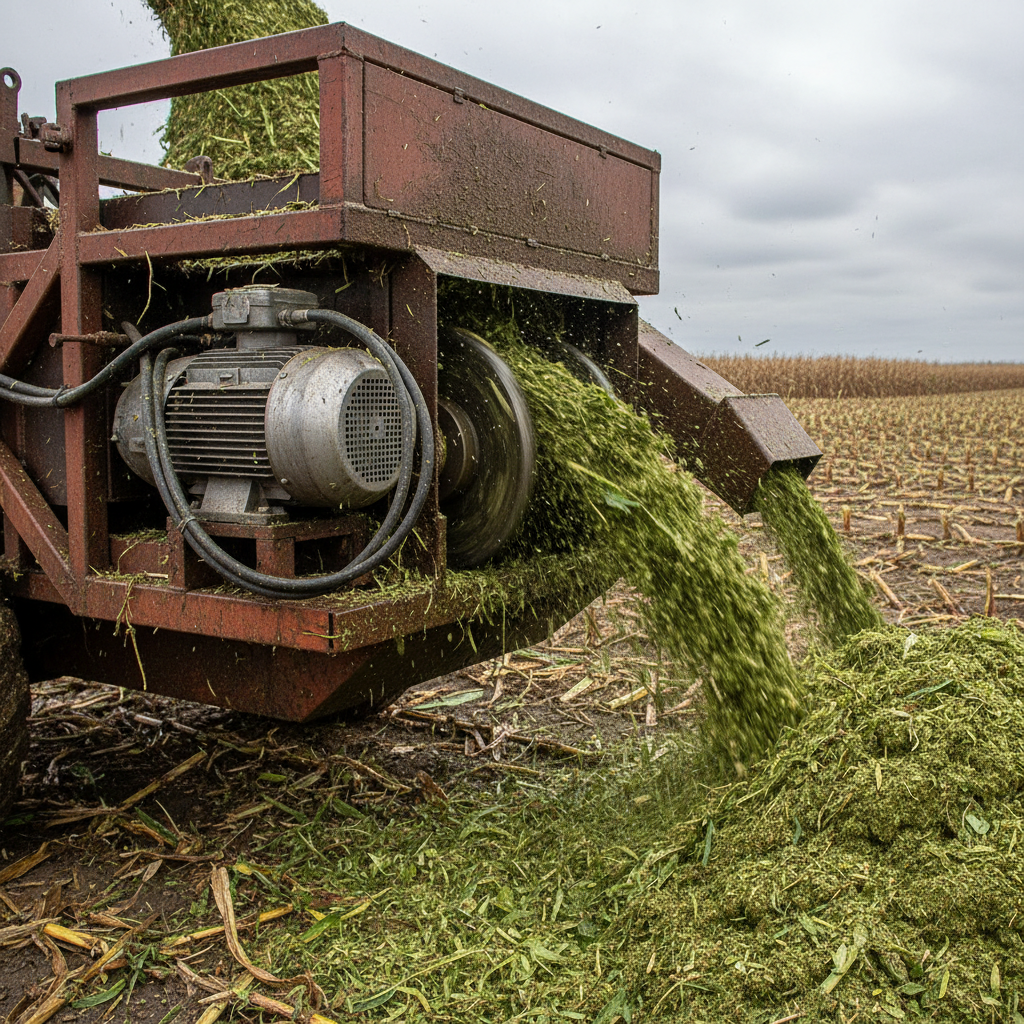
Farmers face increasing pressure to process diverse crop residues efficiently while minimizing waste and labor costs. Using separate machines for chopping stalks and grinding grains wastes valuable time, increases maintenance headaches, and eats into your profit margins. The Silage Chopper Grain Grinder offers a dual-purpose solution that streamlines feed processing into a single, robust workflow. As a dedicated manufacturer of agricultural machinery, we understand the engineering required for reliable, heavy-duty chaff cutter performance in high-volume fodder processing.
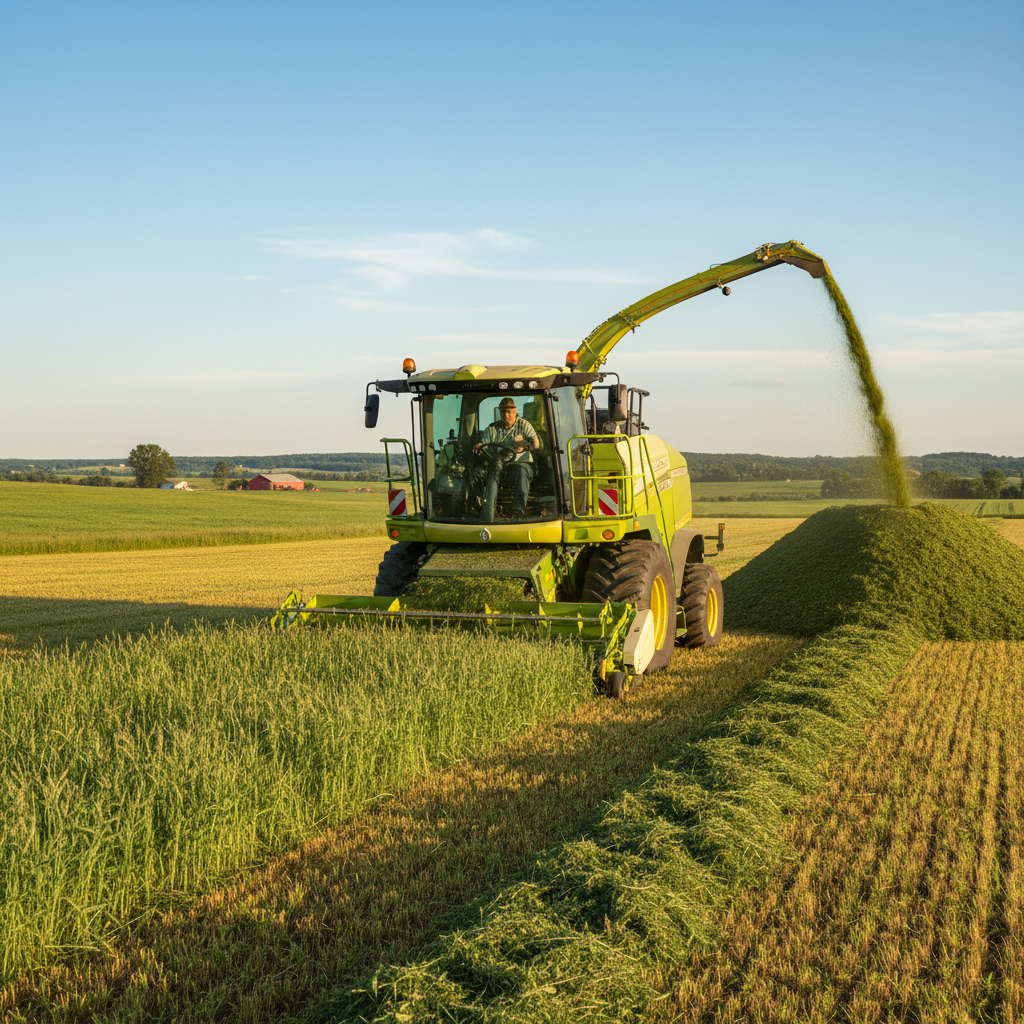
The Silage Chopper grain grinder is dominating the market because it addresses the rising cost of feed and labor by combining two critical farm functions into one mobile unit. Farmers today cannot afford the capital expenditure of maintaining multiple single-function machines.
Global feed prices are volatile, compelling producers to utilize every scrap of crop residue. Here is the deal. By converting corn stalks, wheat straw, and tough vines into digestible feed, you reduce reliance on expensive commercial feeds.
Handling corn, wheat, and sorghum often requires different equipment settings. A Silage Chopper handles these effortlessly. It chops long stalks for silage and grinds grains for concentrates without needing complex reconfigurations.
Versatility reduces equipment overhead significantly.
| Feature | Single-Function Machine | Dual-Function Silage Chopper | ROI Impact |
|---|---|---|---|
| Capital Cost | High (2 Units) | Low (1 Unit) | High |
| Maintenance | Double Schedule | Single Schedule | High |
| Power Usage | Two Motors | One Motor | Medium |
| Labor | Higher | Lower | High |
The Silage Chopper structure ensures durability through a reinforced carbon steel frame and a dynamically balanced rotor system designed to withstand high-torque vibration. This robust engineering prevents frame fatigue during the processing of tough, dry hardwoods or wet, heavy silage.
Durability starts with the chassis. We utilize thickened steel plates to house the feed roller, gear shifting structure, and crushing device. You might be wondering. Why does this matter? Standard frames often crack under the stress of continuous heavy grinding, whereas a reinforced build guarantees longevity.
Farm workflows change daily. Integrating mobile wheels allows a single operator to move the unit directly to the stack. Whether powered by a single-phase electric motor or a diesel engine, mobility ensures the machine works where the crop lies.
Structural integrity combined with mobility equals long-term value.
| Component | Material Specification | Benefit |
|---|---|---|
| Main Frame | Carbon Steel Q235 | High vibration resistance |
| Bearings | Industrial Sealed | Dust protection |
| Blades | Manganese Alloy | Superior edge retention |
| Casters | Heavy-duty Rubber | Easy transport |
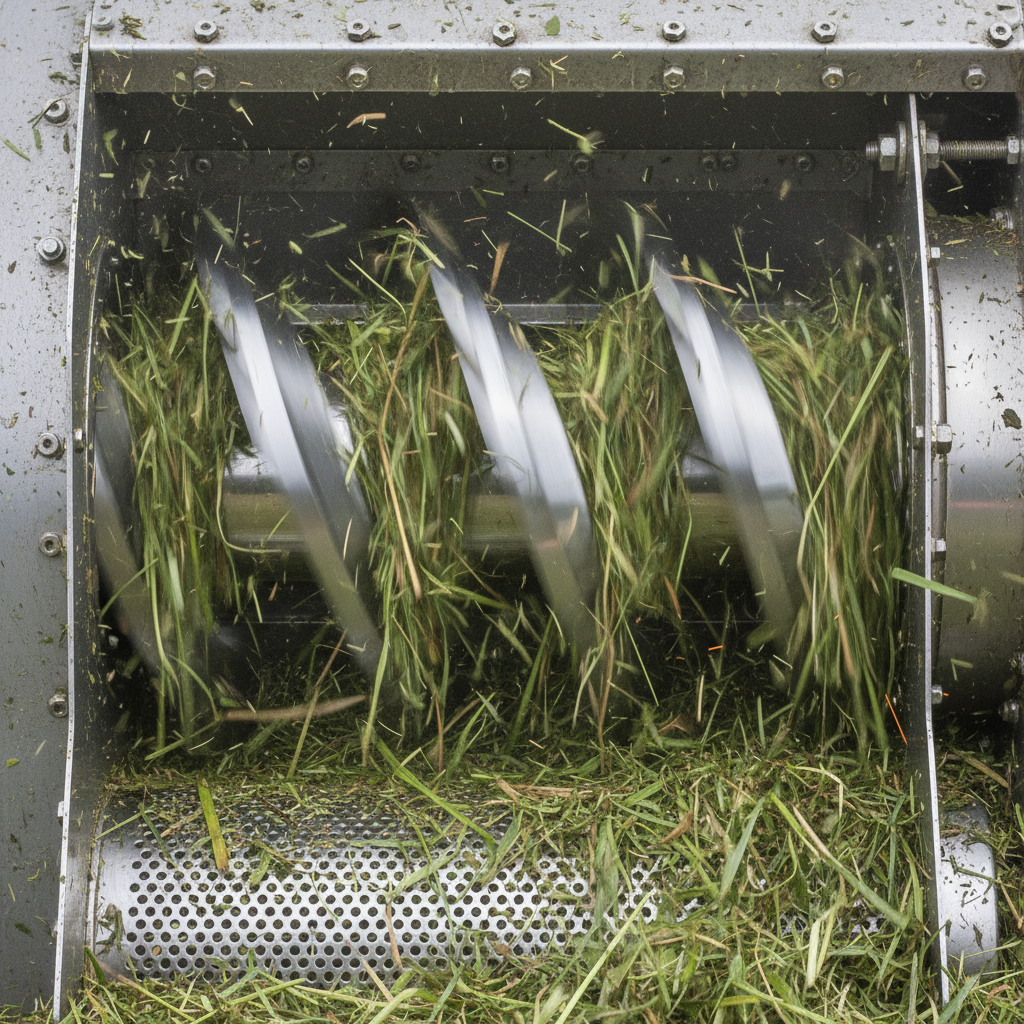
A Silage Chopper grain grinder works by utilizing a dual-port system where roughage enters a cutting chamber for initial chopping, while grains enter a separate crushing chamber for pulverization. This simultaneous capability allows for continuous processing without swapping parts.
Separate ports are engineered for specific material densities. But here is the kicker. The silage port feeds stalks into guillotine blades, while the crushing port bypasses the knives, sending grains directly to the hammers. This prevents blade wear from hard grains.
Efficiency lies in the sequence.
The two-stage process ensures uniform particle size for better livestock digestion.
| Processing Stage | Input Material | Action | Output |
|---|---|---|---|
| Primary | Corn Stalks/Straw | Guillotine Cut | Segments (1-3cm) |
| Secondary | Grains/Segments | Hammer Strike | Fine Powder |
| Extraction | Processed Feed | Air Suction | Clean Discharge |
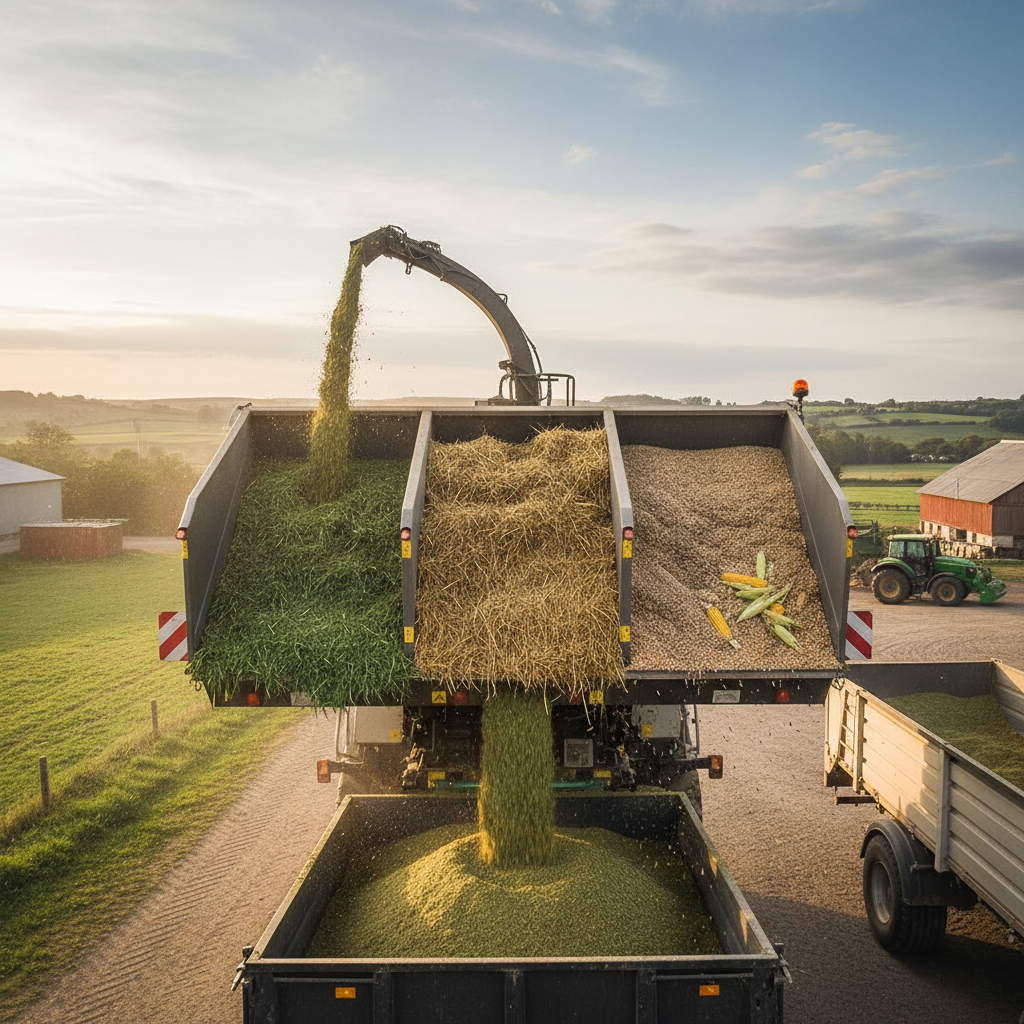
A Silage Chopper effectively processes a vast array of agricultural materials, ranging from wet green corn stalks and sweet potato vines to dry peanut shells and cereal grains. Its high-velocity airflow system prevents clogging, making it adaptable to varied moisture contents.
Moisture content is often a bottleneck. What is the real story? While many grinders choke on wet silage, our design increases internal air pressure to eject moist material swiftly, keeping screens clear and throughput high.
Don’t let tough by-products go to waste.
High versatility means no crop residue goes to waste.
| Crop Type | Material State | Processing Difficulty | Recommended Screen |
|---|---|---|---|
| Corn Stalks | Green/Wet | Medium | Large Hole |
| Wheat Straw | Dry | Low | Small Hole |
| Soybeans | Dry/Hard | High | Fine Mesh |
| Vines | Wet/Stringy | High | Cutter Only |
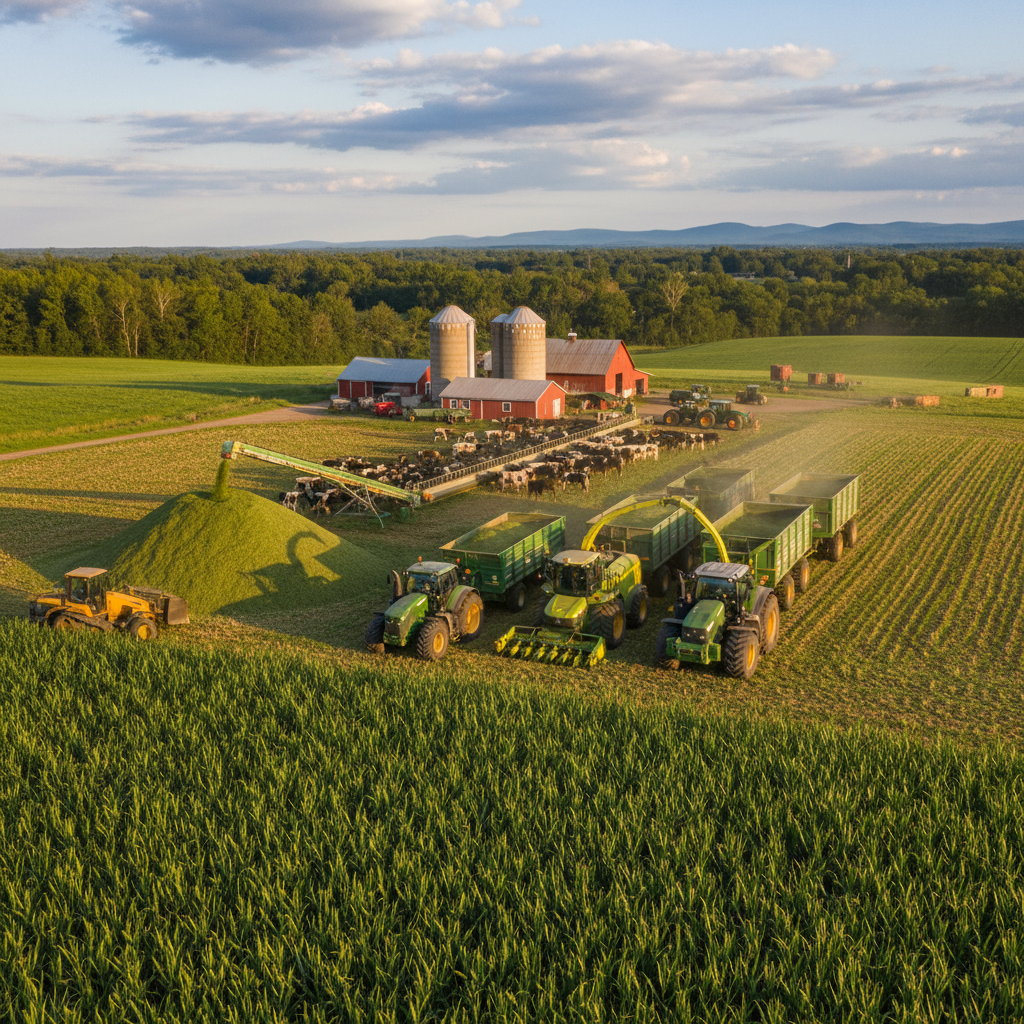
A Silage Chopper boosts farm productivity by automating the labor-intensive task of feed preparation, reducing hours of manual chopping to mere minutes. By providing consistent grass chopper solutions, we enable farmers to scale their operations without adding workforce.
Manual processing limits herd size. It gets better. A single machine can process tons of feed per hour, replacing the daily output of ten manual laborers. This frees up your team for high-value tasks like herd management.
Consistency is king.
Faster processing leads to fresher feed and healthier livestock.
| Metric | Manual Chopping | Silage Chopper | Efficiency Gain |
|---|---|---|---|
| Throughput | 100 kg/hour | 1000+ kg/hour | 10x |
| Labor Needed | 3-4 Workers | 1 Operator | 75% Reduction |
| Feed Waste | High | Low | Significant |
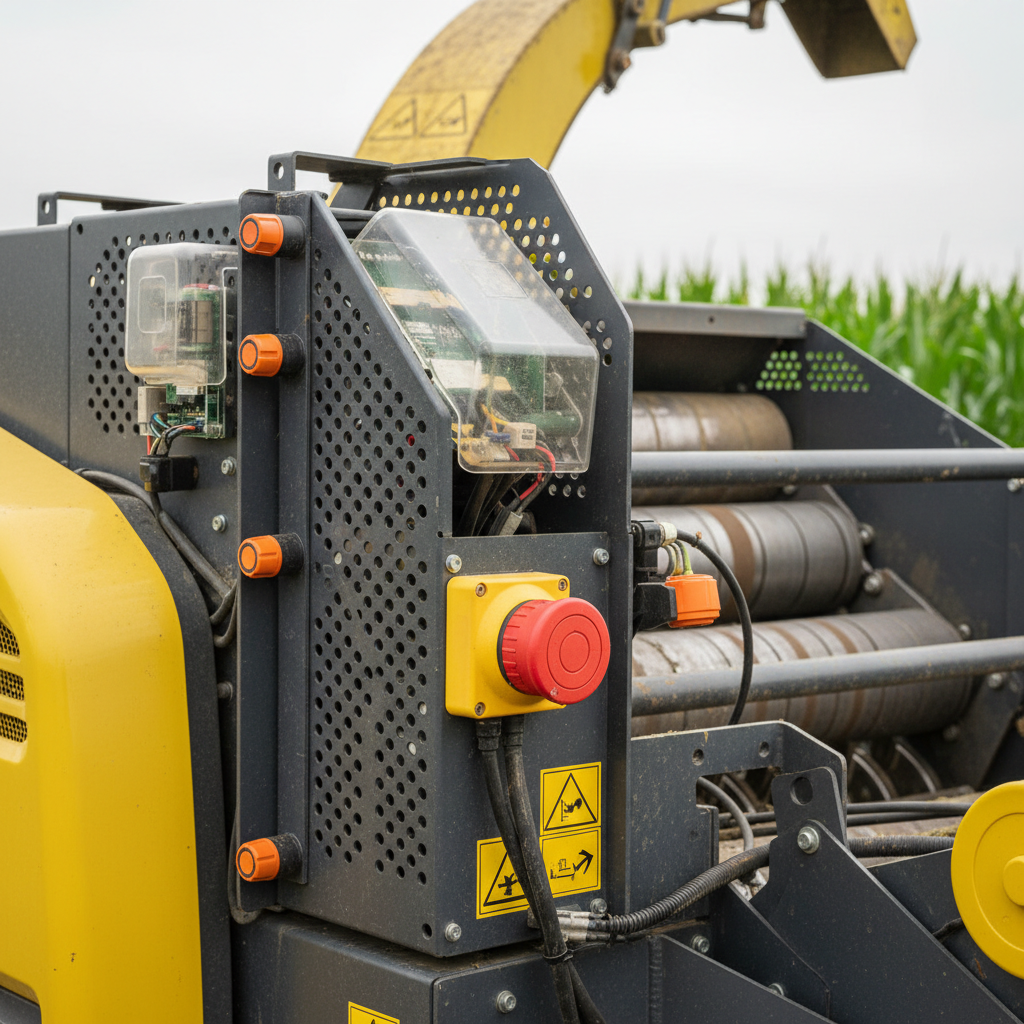
You should prioritize safety when using a Silage Chopper by strictly adhering to the gear operation protocols and respecting all designated danger zones. The high-speed rotation of internal blades demands constant vigilance and proper use of the built-in safety mechanisms.
The gear handle is your primary safety control. It features three positions: ON, STOP, and BACK. Safety comes first. If a foreign object enters or a blockage occurs, shifting instantly to “BACK” reverses the rollers, ejecting the hazard without manual intervention.
Never compromise on boundaries.
Proper gear usage prevents 99% of common accidents.
| Operation Phase | Safety Action | Forbidden Action |
|---|---|---|
| Pre-Start | Inspect Bolt Tightness | Ignoring loose guards |
| Feeding | Use Push Stick | Using hands in hopper |
| Jamming | Shift to “BACK” | Forcing material |
| Shutdown | Wait for full stop | Opening cover early |

Operating a Silage Chopper for maximum efficiency involves a strict pre-check routine and maintaining a consistent, moderate feed rate to prevent motor overload. Skilled operators listen to the engine’s rhythm, adjusting input volume to maintain optimal RPMs.
Preparation prevents downtime. Ready for the best part? A simple two-minute idle run warms up the bearings and reveals any potential issues before you start loading crop, ensuring a smooth run. Remove stones and iron from the pile before feeding.
Balance is everything.
Consistent feeding equals consistent output quality.
| Action | Do | Don’t |
|---|---|---|
| Material Prep | Remove stones/metal | Feed mixed debris |
| Feeding | Feed evenly/continuously | Dump large clumps |
| Shutdown | Idle to clear chamber | Stop under load |
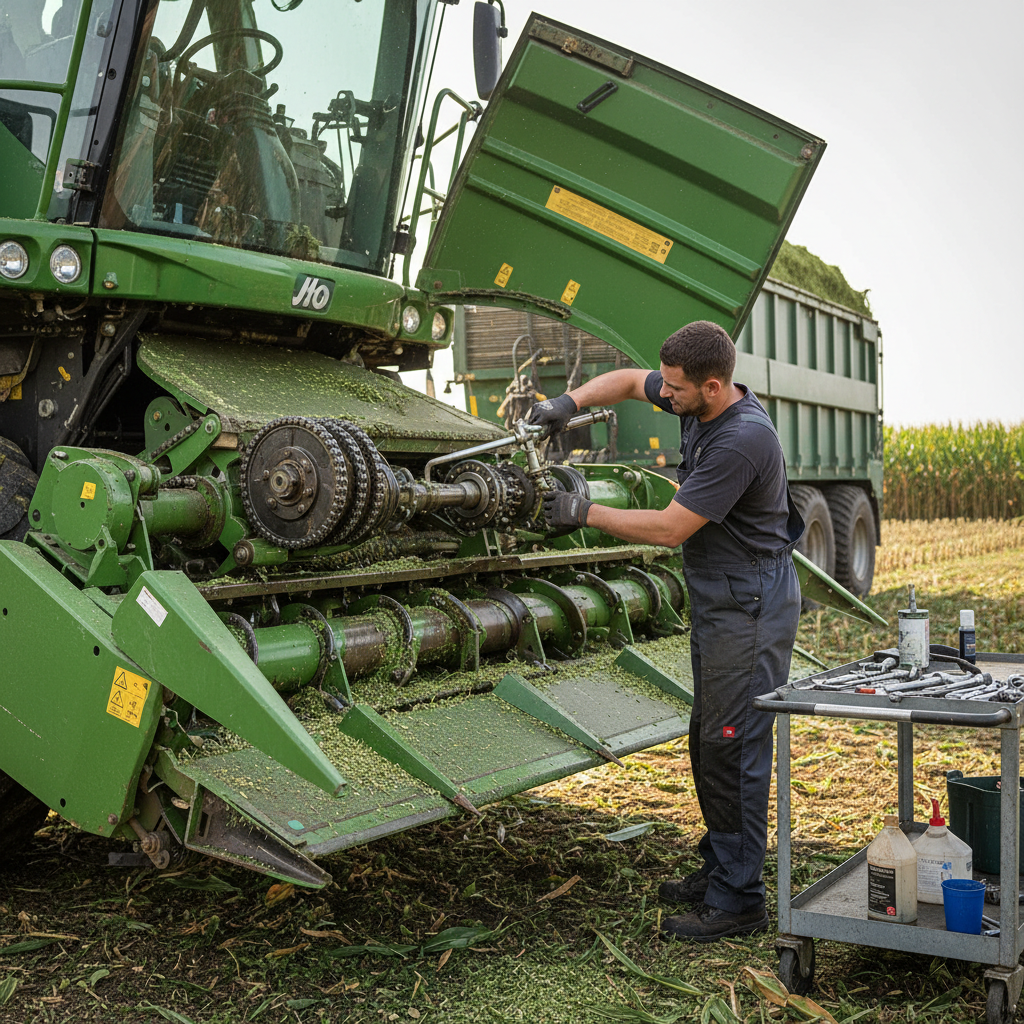
Silage Chopper maintenance is simple because it relies on basic mechanical principles like regular lubrication and blade sharpening, which can be performed on-farm without specialized tools. For deeper agricultural machinery insights, regular care of the gearbox and bearings is the secret to a decade-long service life.
Friction is the enemy. Think about this. A few cents of lithium grease applied annually to the main bearings can save you hundreds of dollars in repairs. Gearbox oil should generally be changed once per season.
Sharp blades save fuel.
Preventive maintenance extends machine life by years.
| Component | Interval | Task |
|---|---|---|
| Main Bearings | Annually | Clean & Grease |
| Gearbox | Seasonal | Change Oil |
| Blades | Weekly | Inspect/Sharpen |
| Bolts | Daily | Check Tightness |
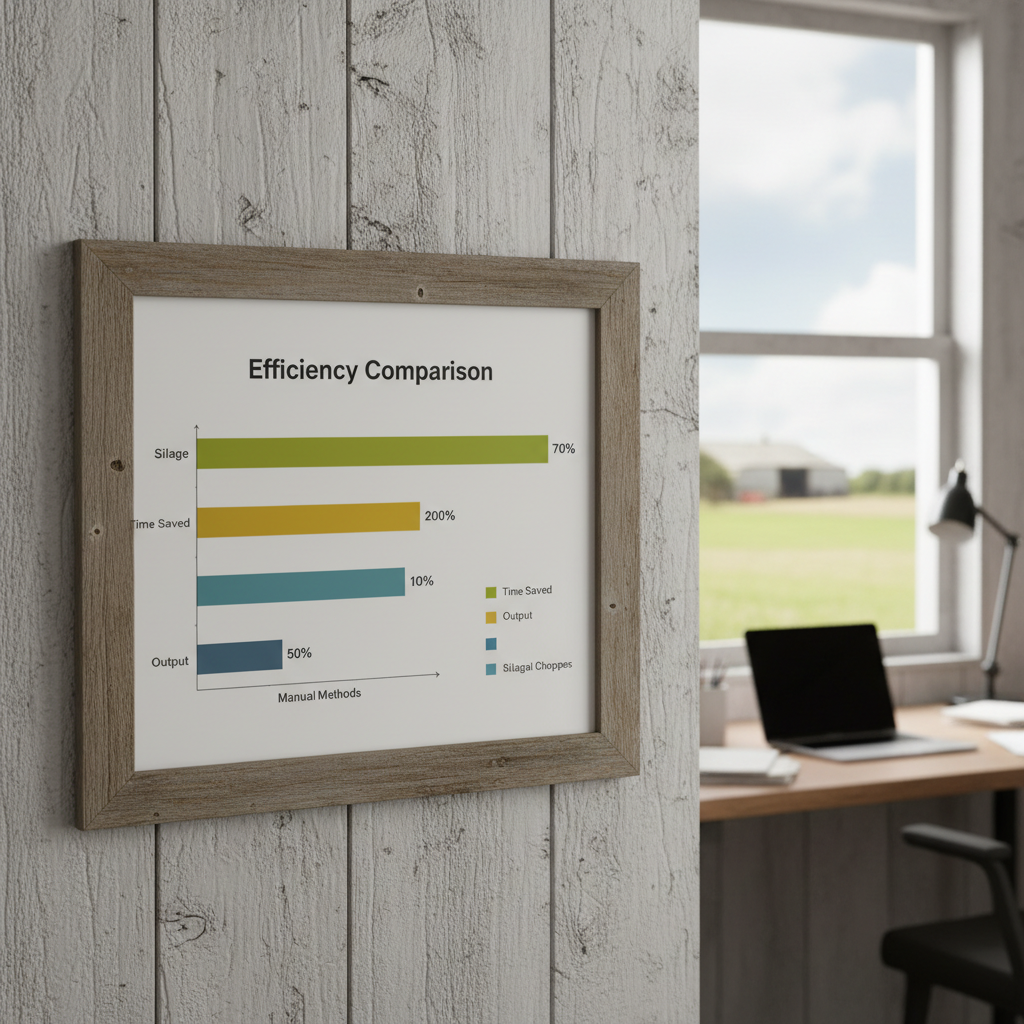
Investing in a Silage Chopper improves ROI by transforming zero-cost farm waste into high-value animal feed, directly cutting the monthly operational expense of purchasing commercial fodder. The payback period is often reduced to a single harvest season due to these immediate savings.
You stop buying what you already grow. Let’s look at the numbers. Instead of burning stalks or letting them rot, you process them. This reduces the need for expensive hay and concentrates, keeping cash in your pocket.
Your machine can work for others.
The machine pays for itself through feed savings and potential service revenue.
| Item | Cost Without Machine | Cost With Machine | Savings |
|---|---|---|---|
| Feed Sourcing | Commercial Rates | Farm Waste (Free) | 100% |
| Waste Disposal | Labor/Burning | Zero | 100% |
| Processing | Outsourced Service | In-house Electric | 60% |
You select the right Silage Chopper by matching the machine’s hourly output capacity and motor power requirements to your specific herd size and available electrical infrastructure. Choosing a factory-direct partner ensures you get the exact specifications required for your farm’s unique challenges.
Don’t just buy the cheapest model.
Middlemen add cost, not value. Here is the bottom line. Buying direct guarantees you access to a stockpile of spare parts, customization options for voltage, and engineering support that understands the machine inside out.
Buying direct ensures long-term support and better pricing.
| Farm Scale | Animals | Recommended Power | Approx. Capacity |
|---|---|---|---|
| Small | 1-10 Cows | Single Phase / 3kW | 400-600 kg/h |
| Medium | 10-50 Cows | Three Phase / 4kW | 1000-2000 kg/h |
| Large | 50+ Cows | Diesel / 7.5kW+ | 3000+ kg/h |
We have covered the structure, operation, safety, and economic benefits of the Silage Chopper. This machine is not just a cutter; it is a farm efficiency tool that turns waste into profit, ensuring your livestock receives the highest-quality nutrition. Upgrading your feed processing today puts you in control of your input costs.
Partner with a manufacturer who prioritizes your harvest success. Contact our engineering team today to discuss your requirements and find the perfect model for your farm.
Q1: Can I use a silage chopper on wet corn stalks?
Yes, you can. The machine is designed to handle both dry and wet silage effectively, though you must ensure the screen size is appropriate to prevent clogging during wet processing.
Q2: What is the power requirement for a standard Silage Chopper?
Most small to medium models run on single-phase electricity, making them accessible for rural farms, while larger industrial models may require three-phase power for higher capacity.
Q3: How difficult is it to change the screen on a Silage Chopper?
It is straightforward. The design allows quick access to the internal chamber, letting you swap screens in minutes to adjust the finished material’s size.
Q4: Does the Silage Chopper come with a warranty?
Yes, reputable manufacturers provide a warranty. We stand by the quality of our heavy-duty chaff cutter and offer parts and service support to ensure your operation runs smoothly.
Q5: How do I prevent the Silage Chopper from jamming?
You prevent jams by feeding materials evenly and not overloading the hopper. If a jam occurs, use the “STOP” and “BACK” gear functions immediately to clear the blockage safely.