
How to Improve Silage Palatability for Ruminants by Straw Kneading Machine
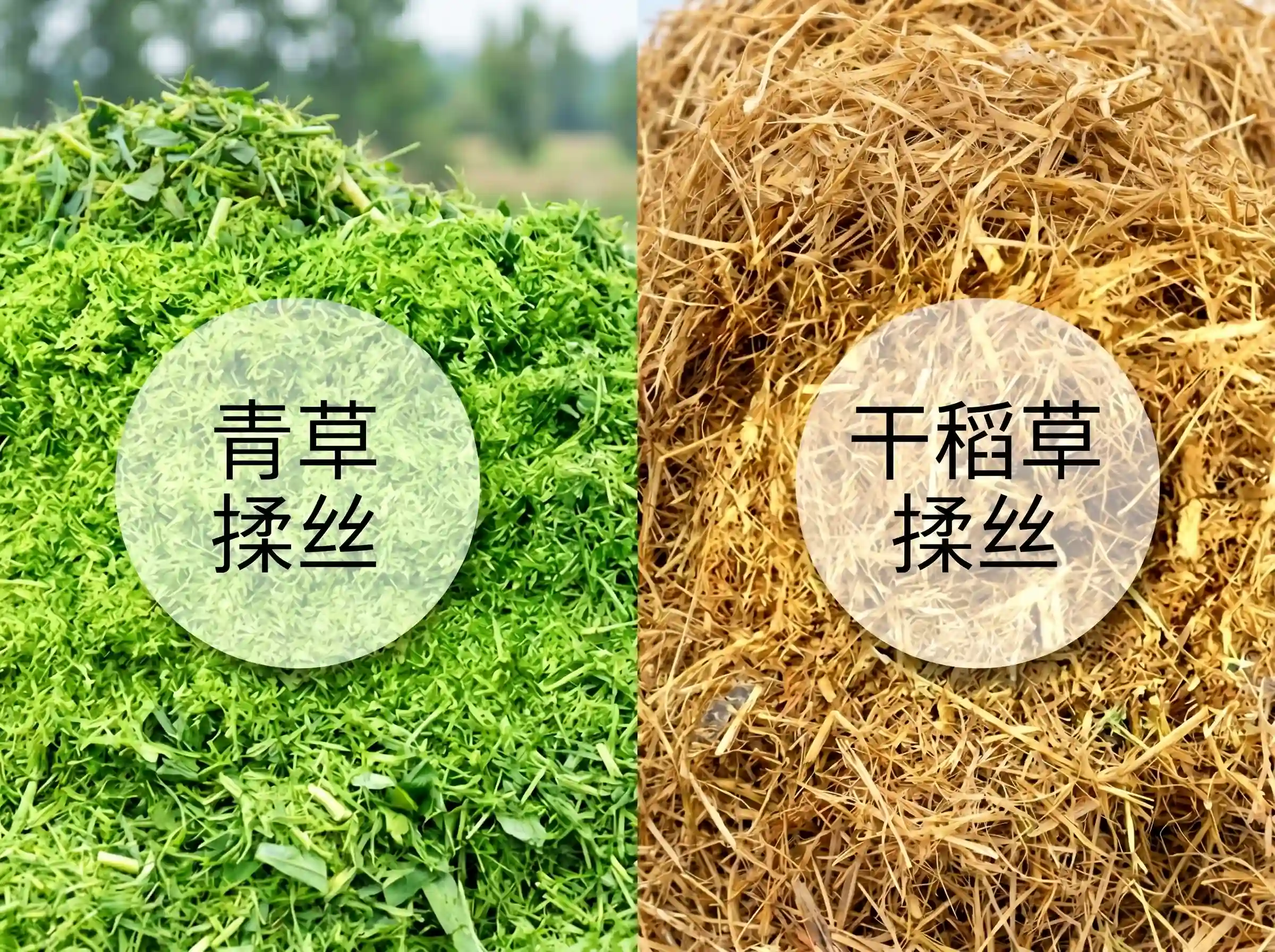
You can significantly improve silage palatability for ruminants by processing tough crop residues using a straw-kneading machine, which breaks down lignified fibers into soft, highly digestible, and appetizing feed. Many livestock producers struggle with low feed intake and high feed waste because coarse, dry crop stalks are too tough and unpalatable for cattle and sheep to consume efficiently. When animals sort through their feed, rejecting rigid stems, valuable nutrients are lost, milk yields plummet, and your feed costs skyrocket. Fortunately, using an advanced straw-kneading machine transforms rigid, woody fibers into a soft, fibrous mass that absorbs moisture and ferments beautifully.
Why use a straw kneading machine for silage?
A straw kneading machine is essential for silage preparation because it physically smashes and shreds tough crop stalks into soft, palatable fibers that ruminants can easily digest. Traditional cutters leave sharp, rigid edges that puncture livestock mouths and reduce overall feed consumption.
By breaking down the tough outer cortex of agricultural residues, a straw kneading machine ensures that lactic acid bacteria can rapidly access cellular sugars. This accelerated fermentation process preserves vital nutrients and significantly enhances the flavor profile of your stored forage.
What happens to tough fibers during kneading?
The intensive mechanical action of the machine crushes the tubular structure of crop stems and splits them longitudinally. Think about it.
- Crushes rigid nodes and sharp edges.
- Transforms hard tubes into soft, flat ribbons.
- Maximizes surface area for microbial colonization.
This deep physical restructuring ensures that ruminants can chew and digest tough forages without sorting them out.
The direct impact on rumen fermentation
By exposing the plant’s inner cellular matrix, you allow rumen microbes to attach to and colonize the feed much faster. Here is the kicker.
- Accelerates volatile fatty acid production.
- Maximizes overall dry matter digestibility.
- Decreases physical digestion time in the rumen.
Key Takeaway: Utilizing specialized kneading technology ensures your ruminants waste less feed while extracting maximum nutritional value from every bite.
How does a straw kneading machine boost intake?
A straw kneading machine boosts dry matter intake by improving the physical texture and mouthfeel of coarse forage, making it highly appetizing for cattle and sheep. Livestock naturally prefer soft, pliable feed over sharp, woody stems that cause oral lesions.
When you run crop residues through this machine, you eliminate the physical barriers that cause sorting behavior in the feed bunk. This uniform physical structure encourages consistent daily consumption and improves overall animal productivity.
Why do animals stop sorting their feed?
Animals sort feed to avoid tough, unpalatable stalks and select only the most tender portions of the total mixed ration. Let’s face it.
- Blends all forage components into a uniform physical mixture.
- Prevents cows from separating grains from roughage.
- Standardizes the nutritional intake of the entire herd.
When every bite contains the exact same nutrient ratio, livestock achieve stable performance and health.
Enhancing chewability and saliva production
The soft, processed fibers are exceptionally easy for ruminants to chew, which stimulates a steady flow of alkaline saliva. Believe it or not.
- Stimulates optimal cud-chewing behavior.
- Enhances natural saliva production as a rumen buffer.
- Prevents digestive upsets from rapid feed transitions.
Key Takeaway: Improving feed texture with a straw-kneading machine directly increases feed intake and eliminates costly feed-sorting behaviors in the bunk.
Can a straw kneading machine lower NDF levels?
While a straw kneading machine does not alter the plant’s chemical composition, it significantly reduces the effective neutral detergent fiber (NDF) impact by structurally breaking down the lignified cell walls. This mechanical disruption mimics the initial mastication process, making the fibrous fraction much more accessible.
High NDF levels in traditional forage limit voluntary feed intake because of the gut-fill effect. By processing forage with a straw kneading machine, you can overcome this physical limitation and feed high-fiber materials successfully.
How does fiber structure affect rumen capacity?
Unprocessed high-NDF forage occupies a large volume in the rumen and digests very slowly, keeping the animal feeling artificially full. Here is why.
- Reduces physical rumen retention time.
- Speeds up the clearance of indigestible fiber.
- Allows for higher daily dry matter intake.
Cleansing the digestive tract more quickly is the key to helping high-producing animals eat more total feed.
Unleashing digestible cell wall carbohydrates
Breaking down the structural matrix allows rumen bacteria to access and ferment hemicellulose and cellulose more quickly. The results are clear.
- Enhances fiber digestion rates in the rumen.
- Unlocks trapped energy within the lignified plant cell walls.
- Improves total digestible nutrient value.
Key Takeaway: Mechanical processing effectively mitigates the intake-limiting effects of high NDF, allowing you to feed highly fibrous materials without compromising performance.
Does a straw kneading machine improve DM levels?
A straw kneading machine optimizes dry matter (DM) levels in silage by ensuring uniform moisture release and exceptional compaction during packing. This structural transformation prevents dry pockets and ensures a stable DM concentration throughout the silo.
Managing dry matter is a critical challenge in forage preservation because incorrect levels lead to spoilage or effluent loss. Utilizing a straw kneading machine helps you achieve the perfect moisture-to-dry-matter balance for ideal preservation.
What is the risk of poor dry matter control?
If forage is too wet, you lose nutrients through leaching; if it is too dry, you face aerobic deterioration and mold growth. But that is not all.
- Prevents pockets of excessive moisture or dryness.
- Facilitates optimal packing density in bunkers and bags.
- Reduces aerobic spoilage during storage and feed-out.
Keeping DM within the ideal range ensures your preservation efforts are highly successful and predictable.
Achieving superior silage consolidation
Kneaded forage packs tightly because the pliable fibers lie flat, eliminating trapped oxygen effortlessly. Think about it.
- Increases silage bulk density by up to twenty percent.
- Speeds up the elimination of oxygen from the silo.
- Minimizes feed shrinkage and dry matter losses.
Key Takeaway: Achieving high silage density through proper mechanical processing preserves valuable dry matter and maintains consistent nutritional quality.
How does a straw kneading machine alter pH levels?
A straw kneading machine accelerates the drop in silage pH by exposing plant sugars immediately to fermentative lactic acid bacteria. This rapid acidification is essential to inhibit undesirable clostridial fermentation and mold growth.
The quicker your silage reaches a stable, low pH, the more nutrients are preserved for your livestock. Using a straw kneading machine guarantees this fast pH decline by maximizing the availability of soluble carbohydrates.
Why is a rapid pH drop crucial for silage?
A slow decline in pH allows harmful yeasts, molds, and enterobacteria to multiply and consume valuable plant proteins. Here is the kicker.
- Rapidly inhibits protein-degrading bacteria and molds.
- Preserve natural plant sugars from aerobic waste.
- Secures a stable, long-term preservation state.
Stopping these microbes early prevents the destruction of essential nutrients in your winter feed.
The chemistry of rapid acidification
Kneading ruptures the plant cells, releasing cell sap rich in simple sugars directly onto the forage surface. This is a game-changer.
- Promotes rapid conversion of sugars into lactic acid.
- Lowers pH levels to ideal storage parameters quickly.
- Prevents the breakdown of true proteins into ammonia.
Key Takeaway: Mechanical cell rupture ensures a rapid, deep pH drop, securing highly stable, sterile, and delicious silage.
Why does a straw kneading machine enhance lactic acid?
A straw kneading machine enhances lactic acid production by rapidly releasing fermentable sugars from plant cells, thereby fueling beneficial homofermentative bacteria. Lactic acid is the primary driver of a sweet, clean aroma that stimulates ruminant appetite.
Without sufficient lactic acid, volatile fatty acids such as butyric acid can dominate, giving the silage a pungent, repulsive odor. Equipping your farm with a straw kneading machine ensures that lactic acid remains the dominant acid during fermentation.
What makes lactic acid the ideal silage acid?
Lactic acid is highly efficient at lowering pH because it is a much stronger acid than acetic or butyric acid. But wait, there’s more.
- Drives down pH with minimal dry matter loss.
- Creates an attractive, sweet smell that ruminants love.
- Minimizes energy losses during fermentation.
High concentrations of this acid preserve the energy value of your crops better than any other compound.
Minimizing butyric acid and bad odors
When lactic acid production is delayed, Clostridium bacteria thrive and produce butyric acid, which smells of rotten butter. Let’s face it.
- Prevents the growth of spoilage-inducing Clostridia.
- Eliminates putrid odors that cause feed refusal.
- Protects ruminants from harmful ketosis-inducing toxins.
Key Takeaway: Maximizing lactic acid through mechanical cell rupture ensures excellent preservation and a sweet aroma that keeps animals eating.
Can a straw kneading machine process corn silage?
A straw kneading machine processes corn silage exceptionally well by thoroughly crushing the tough stalks, leaves, and hard corn kernels in a single pass. This complete processing ensures that both the fibrous and starch components of the corn plant are fully utilized.
Whole-plant corn silage often contains hard, intact kernels that pass straight through the cow undigested. Utilizing a straw kneading machine solves this issue by cracking every kernel to unlock maximum energy.
Why is kernel processing so important?
Uncracked corn kernels are shielded by a tough outer pericarp that digestive enzymes cannot easily penetrate. Here is the truth.
- Cracks the pericarp of every corn kernel.
- Exposes the internal starch to rumen microbes.
- Maximizes milk and meat production per ton of feed.
Cracking the kernels makes the starch fully available, boosting the overall metabolic energy of the diet.
Shredding tough corn stalks for better packing
Corn stalks are notoriously thick and resilient, often creating springy air pockets in the silage bunker. But that is not all.
- Eliminates the springiness of thick corn stalk segments.
- Enhances bunker compaction density and oxygen exclusion.
- Reduces aerobic instability at the feed-out face.
Key Takeaway: Processing corn silage with advanced kneading technology maximizes starch digestibility while ensuring excellent physical preservation.
Does a straw kneading machine work for alfalfa?
A straw kneading machine works beautifully for alfalfa silage by crushing the fibrous stems without pulverizing the delicate, protein-rich leaves. This delicate balance of crushing and preservation is critical for retaining the high crude protein (CP) content of alfalfa.
Alfalfa stems are highly lignified and often rejected by ruminants, while the leaves contain the majority of the nutrients. A straw kneading machine processes the stems to perfectly match the palatability of the leaves.
How do we protect valuable alfalfa leaves?
Standard rough grinding can shatter dry alfalfa leaves into fine dust, which easily blows away or spoils. Here is the kicker.
- Retains delicate leaves within the forage mass.
- Prevents high-protein leaf loss during harvesting and feeding.
- Maintains an ideal leaf-to-stem ratio in the silage.
Keeping the leaves intact ensures your high-value CP fraction remains in the feed bunk where it belongs.
Overcoming alfalfa’s high buffering capacity
Alfalfa is naturally rich in protein and minerals, which help buffer against acidity and slow the drop in fermentation. Think about it.
- Speeds up acid production in high-buffering legume crops.
- Secures a stable pH in alfalfa silage much faster.
- Prevents proteolysis and preserves premium crude protein levels.
Key Takeaway: Processing alfalfa with kneading technology preserves high-protein leaves while converting woody stems into a highly palatable fiber source.
How does a straw kneading machine affect ADF?
A straw kneading machine dramatically improves the digestion of acid detergent fiber (ADF) fractions by fracturing the physical linkages between lignin, cellulose, and hemicellulose. This intense physical breakdown allows digestive enzymes to penetrate the most indigestible parts of the plant cell wall.
ADF represents the least digestible portion of forage, consisting primarily of cellulose and lignin. By utilizing a straw kneading machine, you can make these tough, highly structured components far more accessible.
What is the problem with high-ADF silage?
Forage with high ADF levels is difficult to digest and passes slowly through the animal’s digestive system. Let’s face it.
- Reduces the physical barrier of highly lignified cell walls.
- Enables microbial enzymes to digest cellulose more rapidly.
- Increases the overall energy value of low-quality roughage.
Lowering the physical resistance of ADFs reduces transit times and stimulates greater voluntary intake.
Maximizing the utilization of mature crops
When weather delays harvest, crops mature, and ADF levels rise, rendering the forage tough and unpalatable. Here is the solution.
- Transforms straw-like, high-ADF materials into soft feed.
- Encourages ruminants to consume mature, late-cut forages.
- Lowers feed costs by utilizing cheaper, mature crop residues.
Key Takeaway: Mitigating high-ADF barriers with advanced physical processing unlocks hidden energy and salvage value from mature crop fibers.
Why invest in a straw kneading machine now?
Investing in a straw-kneading machine now is highly profitable because it immediately reduces feed waste, lowers reliance on expensive concentrates, and maximizes the use of homegrown crop residues. With rising global feed prices, optimizing your roughage utilization is the easiest way to protect your profit margins.
Transforming tough, discarded straw and stalks into a premium, highly digestible silage ingredient is a major competitive advantage. Acquiring a straw-kneading machine today sets your farm up for long-term sustainability and feed independence.
How fast is the return on investment?
Most livestock producers realize a full return on their investment within a single feeding season due to minimized feed refusal. Believe it or not.
- Eliminates feed bunk sorting and wasted fibrous residues.
- Minimizes the need to purchase expensive supplemental fiber.
- Enhances average daily gain and milk production efficiency.
Saving just a fraction of your crop residues each day pays off the machine’s cost incredibly quickly.
Securing future feed self-sufficiency
Relying on imported commercial feeds leaves your agricultural enterprise vulnerable to volatile market fluctuations. The choice is clear.
- Empowers you to utilize abundant, low-cost local straws.
- Improves your resilience against feed supply chain disruptions.
- Maximizes the land-use efficiency of your agricultural operations.
Key Takeaway: Investing in a premium straw kneading machine turns low-value crop residues into a highly nutritious, palatable asset for your livestock.
Elevate Your Forage Quality Today
Ensuring high silage palatability is key to driving dry matter intake, stabilizing rumen fermentation, and unlocking the absolute potential of your ruminant herd. By addressing the core mechanical limitations of coarse fibers, you can easily mitigate the issues of feed bunk waste, slow digestion rates, high NDF and ADF barriers, and erratic silage preservation. We are committed to supplying you with the industry’s most robust, high-performance agricultural machinery designed to turn tough residues into highly digestible, sweet-smelling, and uniform feed rations. Let us help you transform your low-value straws, corn stalks, and alfalfa into premium resources that lower your input costs and boost your bottom line. To find the perfect equipment model for your farm’s unique production requirements, please contact us today. Together, we can build a sustainable, self-sufficient agricultural future powered by maximum feed efficiency and zero waste.
Frequently Asked Questions
Can I process both wet and dry straw using a straw kneading machine?
Yes, you can easily process both wet and dry materials. The advanced hammer-and-plate mechanical action is engineered to handle variable moisture levels, ensuring optimal fiber breakdown whether you are preparing wet corn silage or dry straw bedding.
What’s the best way to determine if my kneaded forage has fermented correctly?
You must conduct a chemical and physical analysis to evaluate your silage preservation success. Measuring the final pH and checking for a sweet, clean, lactic-acid aroma are the most reliable indicators of superior fermentation.
How do I know if my ruminants are rejecting coarse fiber in their total mixed ration?
You must look for visible feed sorting patterns in the feed bunk and find whole, untouched stems left behind. If you observe cattle pushing aside the long forage to eat only the concentrate, your fiber physical structure is too coarse.
Can I use a straw-kneading machine to process alfalfa silage without losing protein?
Yes, you can absolutely process alfalfa silage safely with the correct settings. The machine tenderizes the woody, low-protein stems while gently preserving the integrity of the fragile, high-crude-protein leaves.
