
A fixed feeding window
Estimate the material assigned to each processing step and the actual machine runtime available. Crew size alone does not define the required capacity.
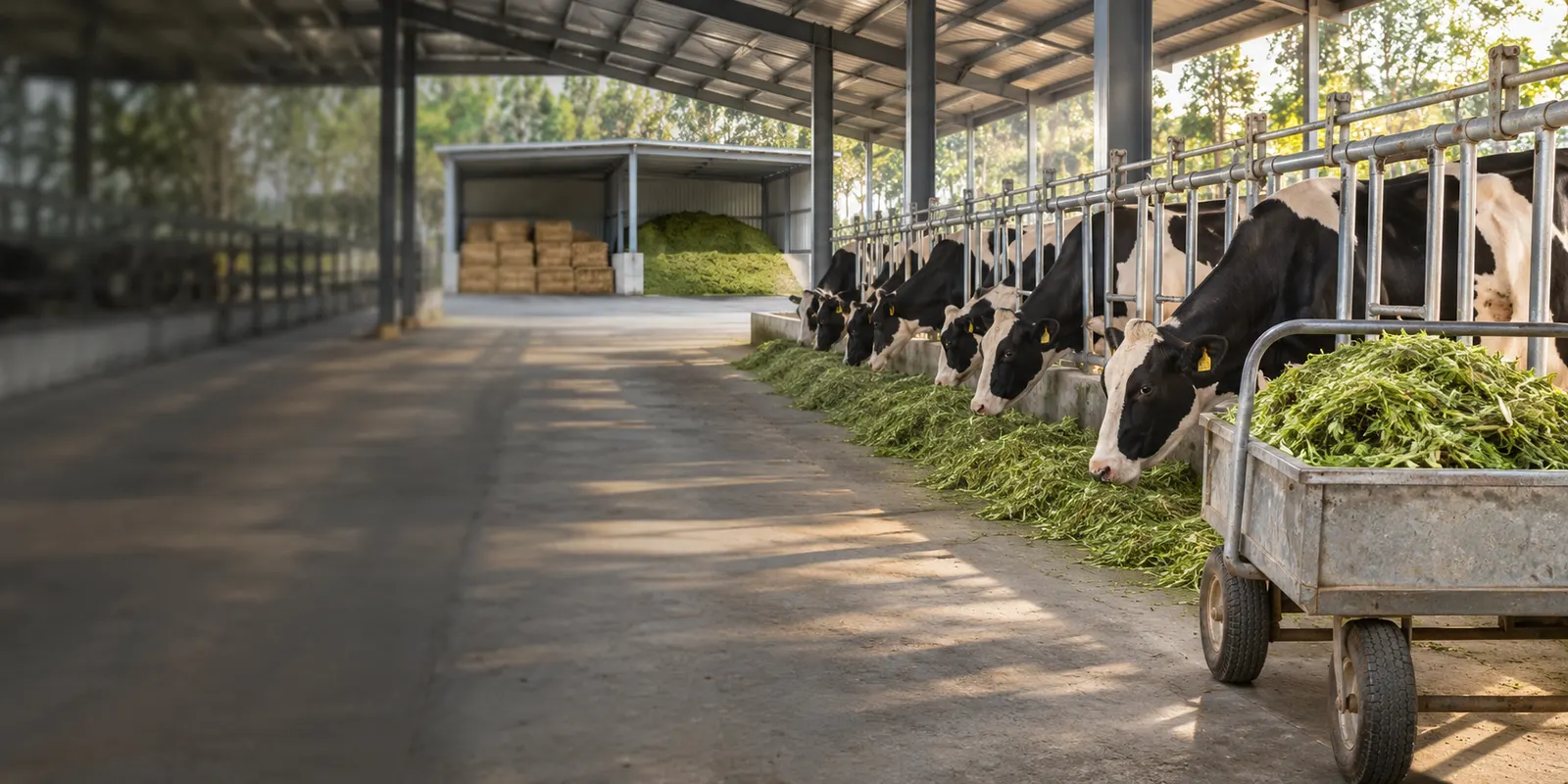
Daily feed preparation · Equipment planning
A Practical Daily Workflow
Plan a clear route from forage and straw processing to grain preparation, weighing, and the mixer. Match each machine to the material, available power, and time you have to work.
Start with the job to be done
Daily preparation has several distinct jobs. Plan the order and ownership of each one before choosing a machine.
Estimate the material assigned to each processing step and the actual machine runtime available. Crew size alone does not define the required capacity.
Forage cutting, straw kneading, and grain grinding are separate operations. Crop type, moisture condition, and target cut or output form help determine the relevant equipment.
Plan weighing, transfer, and the mixing handoff alongside the forage and grain preparation steps.
Five steps, in working order
Keep roughage and grain operations distinct, then bring measured ingredients together using the farm's mixing plan.
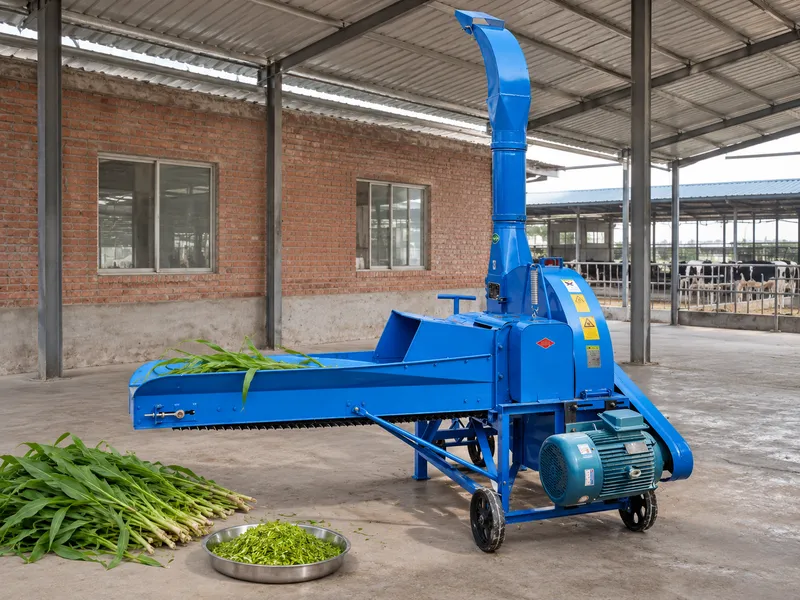
List the forage, straw, and grain to be handled. Note crop type and moisture condition, and record the target form from the farm's feeding plan.
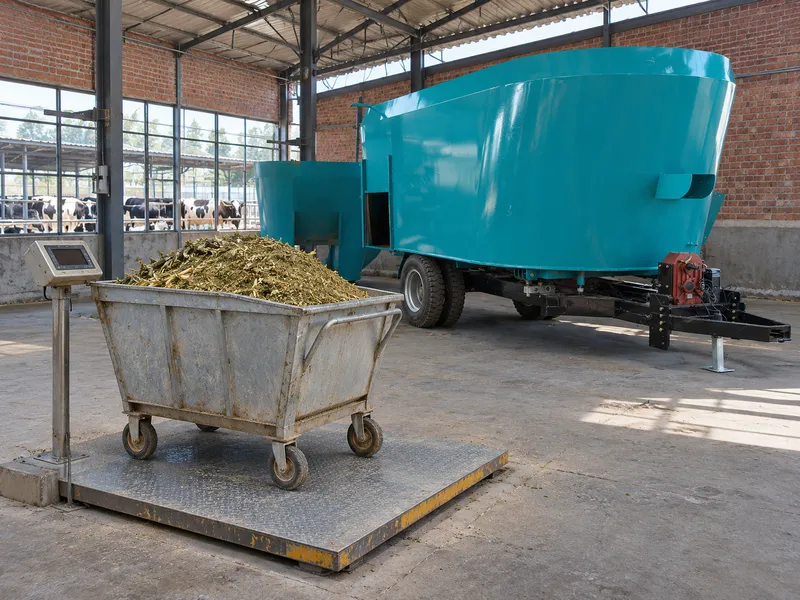
Estimate the daily kilograms for this machine and the hours available to run this step. Include setup and handling in your schedule.
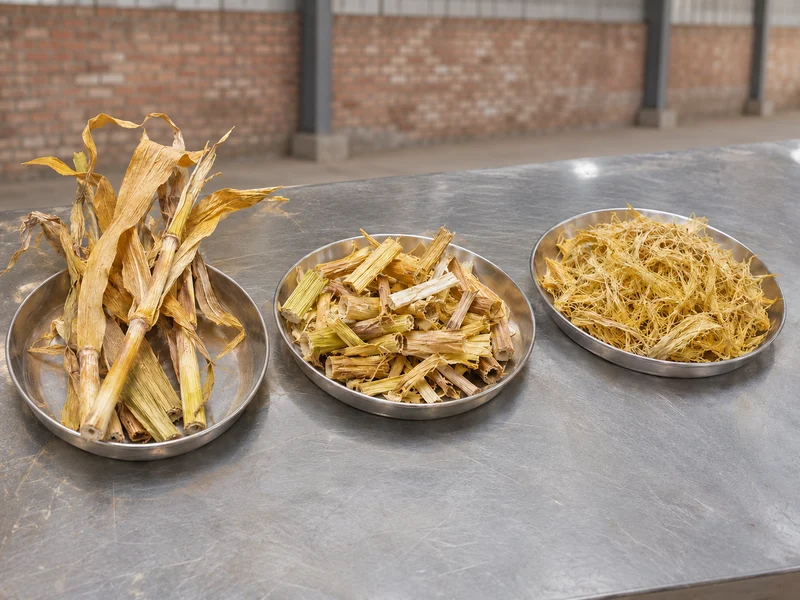
Use a chaff cutter for the forage-cutting step or a suitable straw kneading machine for straw processing, according to the feed plan.
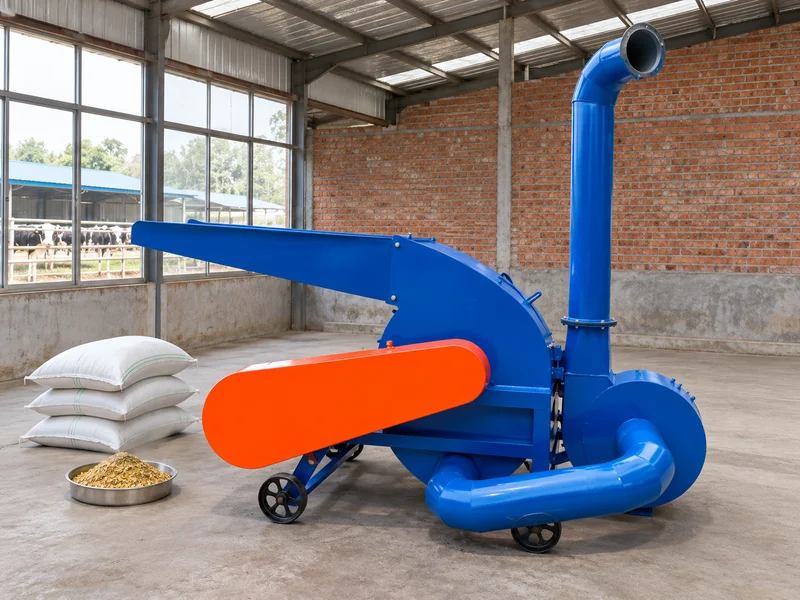
Choose a feed crusher for the grain-processing task. Confirm the actual grain, required output, power supply, and operating conditions with the supplier.
Measure each ingredient against the farm's feeding plan, then transfer it to the mixer using the established batch procedure.
Five common planning situations
Choose the situation closest to yours. These are planning routes, not fixed machine specifications.
Map the materials that need processing and the order they enter the feeding routine. A chaff cutter may suit forage preparation; a separate crusher may be needed if the farm also grinds grain.
A 50-cow farm is a useful example for planning, not a capacity specification. Daily feed quantity and the time available for the machine determine the workload to discuss with a supplier.
Chopping and kneading produce different material forms. Choose the route with the farm's feeding plan and target form in mind, then verify the straw type and intended use with the equipment supplier.
Grain grinding is a distinct operation from forage cutting. A feed crusher may be relevant; confirm the specific grain, the required output, and the machine's supported operating conditions before specifying a model.
Map ingredient preparation, weighing, transfer, and mixing as connected steps in the farm's feeding process.
A simple workload check
Estimate the throughput target for one processing step using the material assigned to that machine, its planned runtime, and a buffer you choose.
Formula: daily kilograms ÷ available hours × (1 + buffer percentage)
This is a planning estimate, not a machine rating or output guarantee. Crop type, moisture condition, target cut or output form, motor, voltage, and operating conditions can affect actual output. Ask the supplier to confirm performance for your use case.
Choose by operation
Explore equipment by the preparation step it serves. Crop type, moisture, workload, and available power help narrow the right configuration.
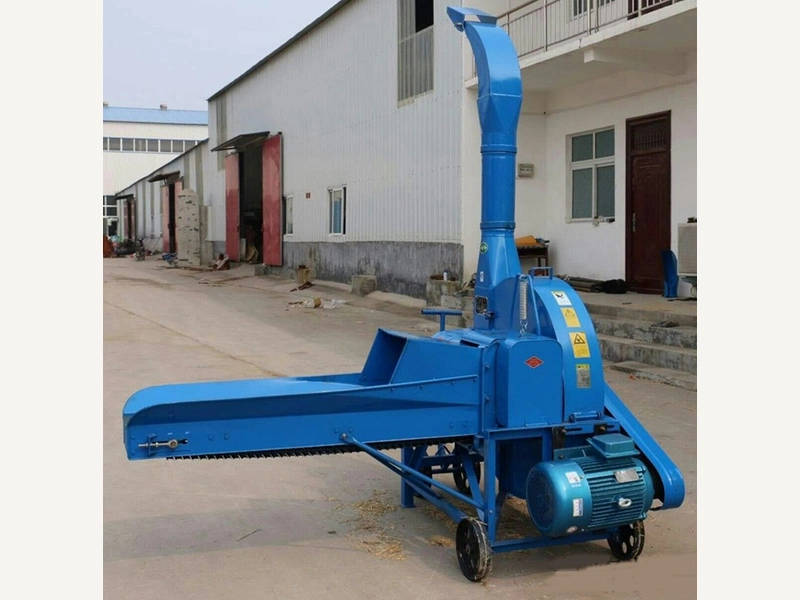
For farms looking at an electric drive for regular forage cutting.
View FC-6A Electric Chaff Cutter
For a dedicated straw treatment step in the roughage-preparation routine.
View Straw Kneading Machine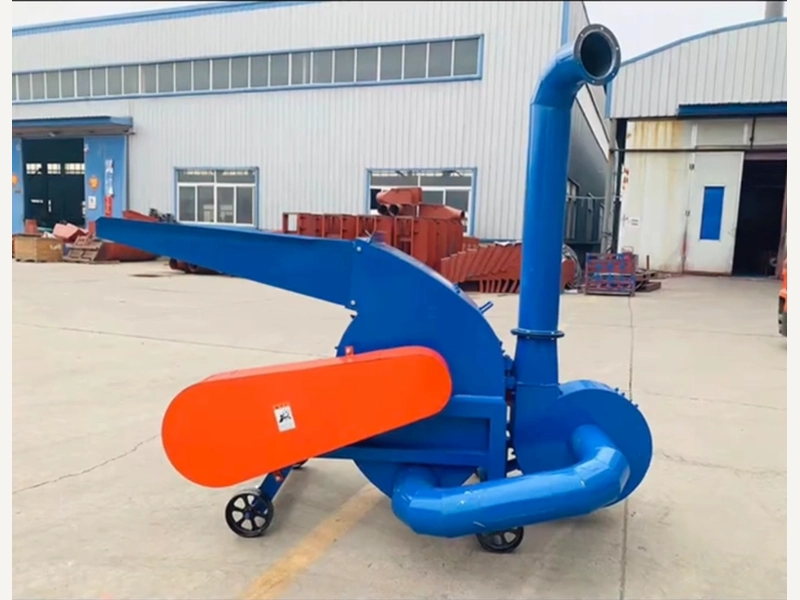
For the grain-preparation step when the farm mills concentrate ingredients.
View Feed CrusherSupply boundary: These machines prepare individual ingredients. Confirm whether weighing, transfer, and the TMR mixer are farm-owned or included separately.
Before you request a configuration
Use the details of your operation to narrow the equipment discussion.
Start with the kilograms of forage the machine must process each day and the realistic runtime for that step. The calculator on this page adds a planning buffer to that average. Then ask the supplier to confirm output for your actual forage and operating conditions. Cow count by itself does not establish a machine capacity.
No. Fifty cows is an example scenario, not a specification. A useful equipment discussion also needs the daily processed weight, material condition, available power, and time available for the work.
They are different processing actions and can produce different material forms. Describe the straw, the desired form, and the farm's feeding plan to the supplier; have a nutrition professional set ration and particle-size targets.
No. These machines prepare particular ingredients. A complete TMR process also depends on weighing, mixing, transfer, and operating management. Confirm which of those items are already available or included in a separate supply scope.
Do not assume the same machine is suited to both jobs. Forage cutting and grain grinding have different equipment routes. Confirm each machine's supported materials and task with its supplier.
Share daily quantity by material, material condition, available power and voltage, runtime for each step, herd size as context, desired processing form from your feed plan, and whether weighing and mixing equipment are already on the farm.
Prepare a useful inquiry
Send your materials, daily quantities and power details. We will help match preparation equipment to your routine.