
Balance throughput and available time
Set the required quantity and operating window together. This gives the discussion a planning target to check against selected equipment and sample conditions.
Commercial feed mill project planning
Plan the process. Match the equipment.
Map grain grinding and any separate forage preparation route, then match the equipment to your materials, workload, power and existing process.
The board is an illustrative planning flow. Route and equipment depend on the confirmed material brief.
Two material routes
Plan each route for the material it handles
Chopping and kneading belong to the optional forage route, not the grain-grinding sequence.
Start with the operating brief
Three project questions shape a practical equipment match: how much material must move, which route handles each material, and where the prepared output goes next.
Set the required quantity and operating window together. This gives the discussion a planning target to check against selected equipment and sample conditions.
Grain grinding and forage or stalk preparation are different process routes. Describe material type, condition and intended output for each route you need.
Show available power, feed and discharge points, collection, weighing, space and the existing downstream operation so connection questions can be identified early.
Project flow
Each branch is planned around its own feedstock and output. Prepared fractions move to collection and weighing, then into the customer's existing downstream process.
Confirm each ingredient, condition and target particle size for the selected configuration with representative samples.
Forage selection reading: Chaff Cutter Machine: Types, Capacity & Buying Guide. This is a forage-path guide, not a grain-grinding guide.
Starting configurations
These are equipment-role examples for scoping the conversation, not fixed capacities or complete feed-line packages.
Role: define a grinding stage around a measured ingredient list, batch size and operating window.
Discuss: Feed Crusher configuration, sample suitability, collection and the next process on site.
Role: add or adjust grain grinding within an existing operation.
Discuss: material condition, target particle size, available power and how ground grain is received downstream.
Role: plan grain grinding and a separate forage or stalk route when both are needed.
Discuss: Feed Crusher for the grain route; Chaff Cutter or Straw Kneading as the forage material requires.
Project planning scenarios
Choose the case closest to your project. The questions focus on configuration and handoffs; published product specifications remain on each equipment page.
Begin with the intended ingredient list, batch or daily quantity, available working hours and electrical supply.
List every grain or dry ingredient separately. Moisture, toughness, feed condition and screen choice can affect suitability and output.
Treat 1 t/h as a workload target to investigate, not a machine rating. The required model and test conditions depend on material, moisture, particle size and operating method.
Do not treat grain grinding and forage preparation as a single route. If both are required, describe them as separate operations with their own inputs and outputs.
Identify the measured bottleneck before selecting a replacement or additional machine. The constraint may be at feeding, grinding, discharge, weighing or the next operation.
Equipment portfolio
Review specifications and model details on each product page. A project may include more than one matched machine when the material routes call for separate preparation steps.
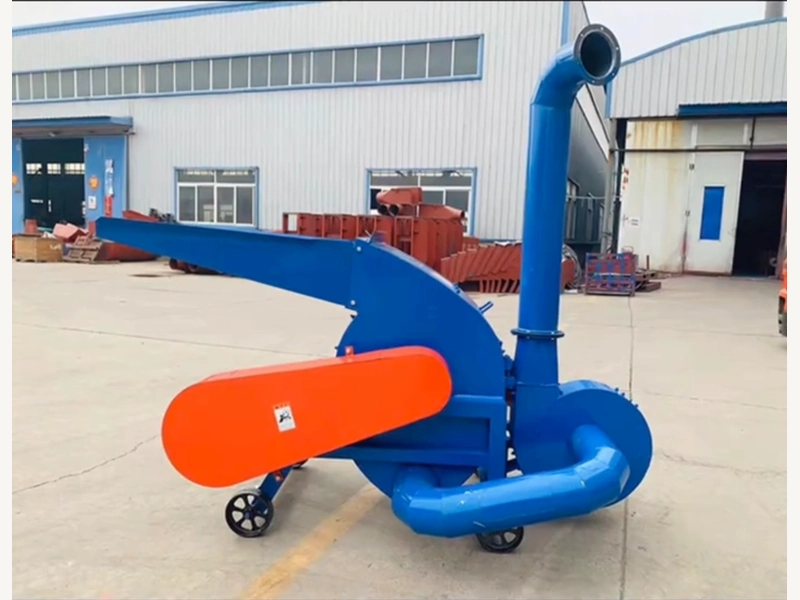
Grinding equipment for a confirmed grain or dry-ingredient brief. Review the product listing, then verify the selected configuration against each representative material sample.
View Feed CrusherSupplied equipment reference; confirm the selected model and configuration in the project quotation.
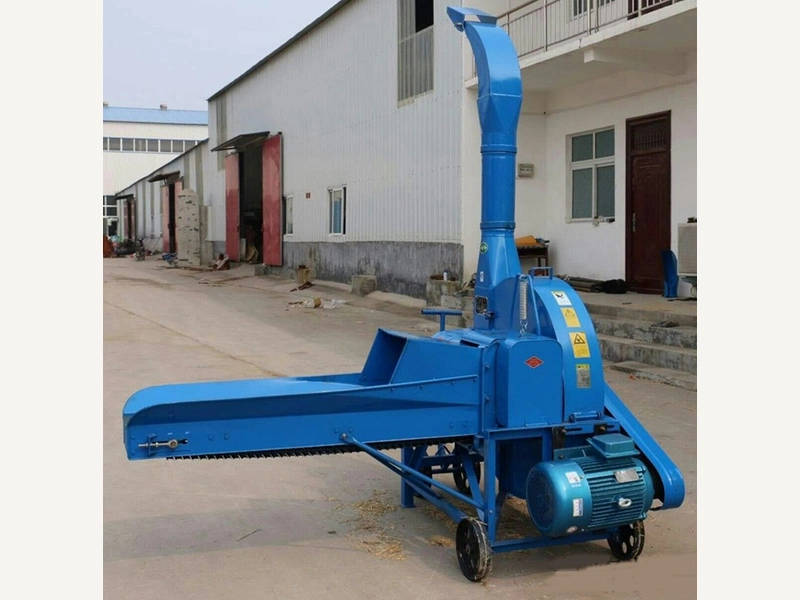
For a forage or stalk-chopping route when the material and intended preparation call for it. Keep this step separate from grain grinding.
View Electric Chaff CutterFC-6A electric chaff cutter reference. Forage selection: Chaff Cutter Machine: Types, Capacity & Buying Guide.
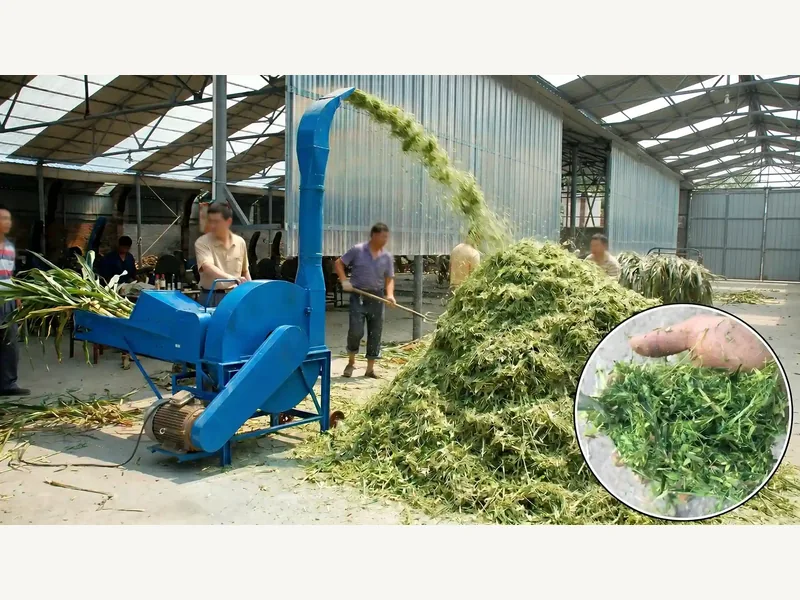
Separate stalk preparation equipment to consider when the specified forage material requires a kneading operation.
View Straw Kneading MachineSupplier product-page reference. Compare the operation with the actual forage condition and intended output before scoping.
Project planning tool
Use required quantity, scheduled grinding hours and a planning allowance to shape the equipment discussion. The result is a project target, not a product capacity claim.
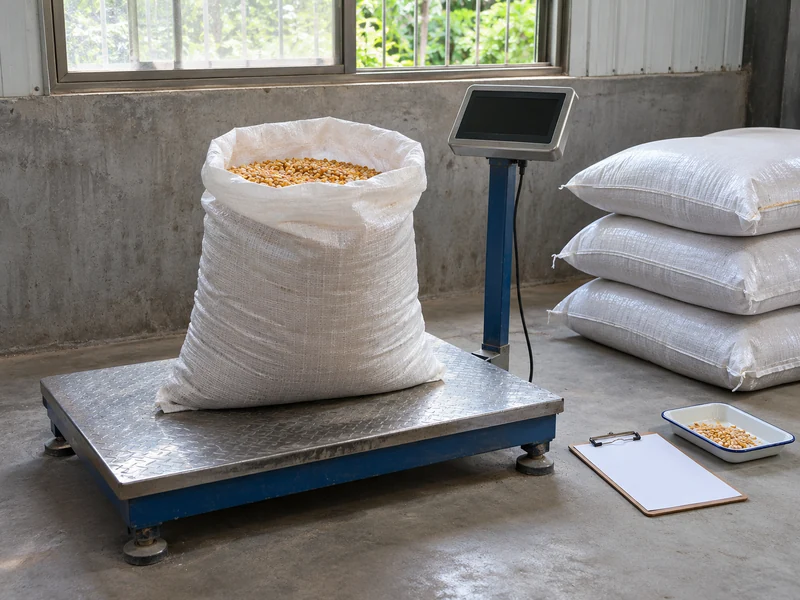
Illustrative workload scene, not a verified weight or production record.
After calculation, confirm selected machine, material, particle-size target, operating conditions and test evidence separately.
From brief to verified scope
Use the same information at each stage so the equipment proposal and the site interfaces can be reviewed together.
List materials, condition, quantity, working hours, target output and intended end use.
Agree which samples and test conditions will be used to check suitability and output.
Share site layout, available electrical supply, feed and discharge points, collection and weighing arrangements.
Confirm selected equipment, quantities, included supply and customer-side interface responsibilities before order.
Record the agreed model, material, setup, test conditions and acceptance basis for any stated result.
Agree on the supplied machines, handling arrangements, site work, installation responsibilities and any support services in the itemized project quotation.
Project questions
Yes. One or more selected machines can be supplied when the confirmed material routes require separate equipment. The final combination, quantities and scope should be documented before order confirmation.
No. The grain route uses the Feed Crusher for the confirmed grinding brief. Chaff Cutter and Straw Kneading are optional equipment for a separate forage or stalk-preparation route when the material calls for those operations.
The proposal covers the selected preparation machines and agreed accessories. Collection, transfer, site work, installation responsibilities and downstream equipment are itemized separately. This is a matched-equipment project rather than a turnkey feed mill.
Share a site sketch, feed and discharge positions, receiving containers and the next operation. Confirm whether handling is manual or needs separate transfer equipment, then assign responsibility for each connection in the quotation.
No. It is an illustrative workload target only. Any proposed output must be tied to the selected model, material, condition, setup and documented test conditions.
Share the material and its condition, target quantity and operating hours, desired particle size or forage preparation result, available power, site layout and the existing process before and after each preparation step.
Further reading
Use the company and equipment links for supplier background, and the published forage guides when your project includes a separate forage route.
Return to the company homepage and browse the wider product range.
Learn about the equipment supplier and company background.
Browse equipment and feed-preparation articles.
Compare forage types, working capacity, available power and material checks for the optional chopping route.
Plan daily forage batches and the practical checks used to select a suitable cutter.
Other solutions
These pages cover distinct farm and forage workflows.
Prepare your project brief
Send the information needed to discuss the material routes, selected machines and site interfaces.
Request an itemized proposal covering machine configurations, interface responsibilities and the checks used to confirm output.