
Uneven, Long Chop
Long or ragged pieces trap air in the pile, so the bunker heats up and grows mould.
Fix: Adjustable 10–30 mm chop length from manganese-steel blades packs densely and ferments evenly.
Matched harvesting, chopping, loading and baling equipment for maize, Napier grass, sorghum and oats — sized to your herd and your power supply, so fresh crop is chopped, packed and sealed while it is still at its best.
Why a Matched Line Matters
Silage keeps when the crop is chopped short, packed tight and shut off from air quickly. Most spoilage starts with one weak link in that chain — so we size every machine in your line to the same daily target.
Long or ragged pieces trap air in the pile, so the bunker heats up and grows mould.
Fix: Adjustable 10–30 mm chop length from manganese-steel blades packs densely and ferments evenly.
When the cutter cannot keep up, harvested crop waits in the sun, dries out unevenly and loses sugar before it is packed.
Fix: Cutter and loader capacity matched to your daily harvest, so each bunker or batch is filled and sealed quickly.
Unreliable grid power, or crop that grows far from the farmyard, stops an electric-only line during peak season.
Fix: The same cutter series runs on an electric motor, a diesel engine or a tractor PTO shaft.
Process Flow
Each step below shows what the job needs, the control point that protects silage quality, and which part of the line Golden Machinery supplies. Items marked “your side” are usually handled with equipment or materials the farm already has.
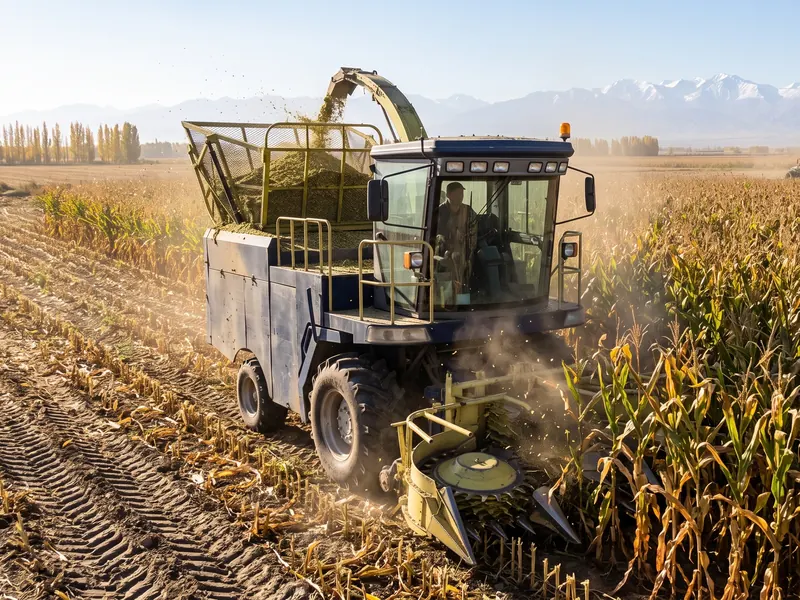
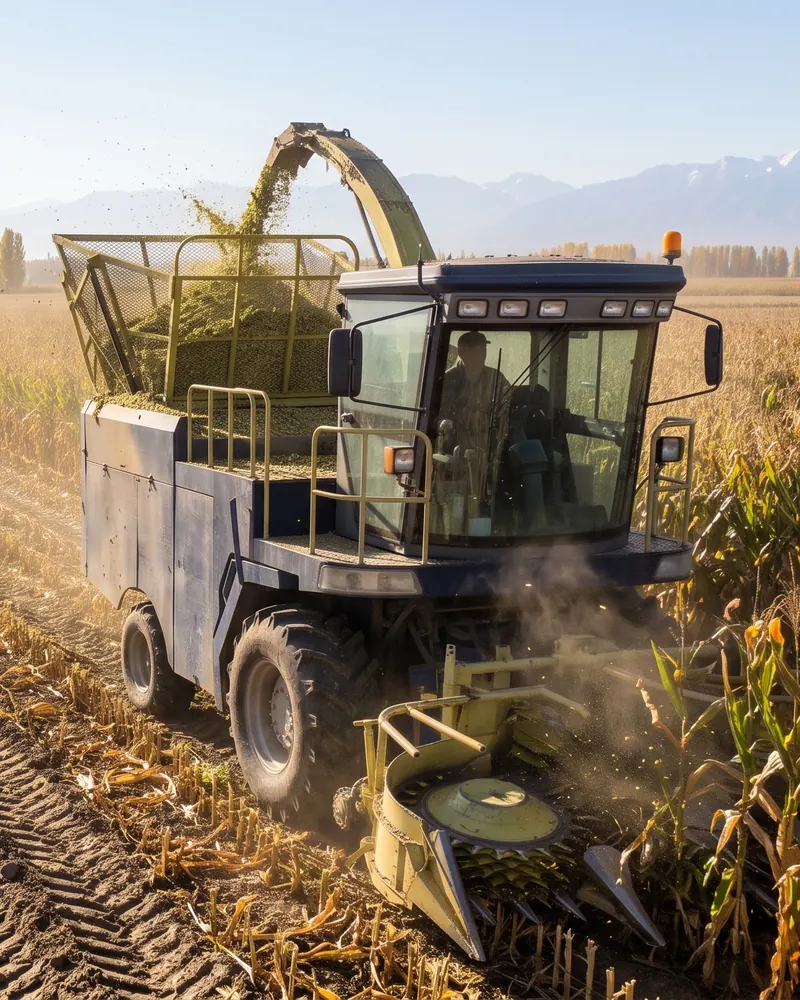
Cut the standing crop when moisture and sugar content suit fermentation. A forage harvester cuts, chops and loads in one pass; smaller farms cut by hand or with a mower.
Control point: whole-plant maize is typically harvested at ½–⅔ kernel milk line, around 30–35% dry matter.
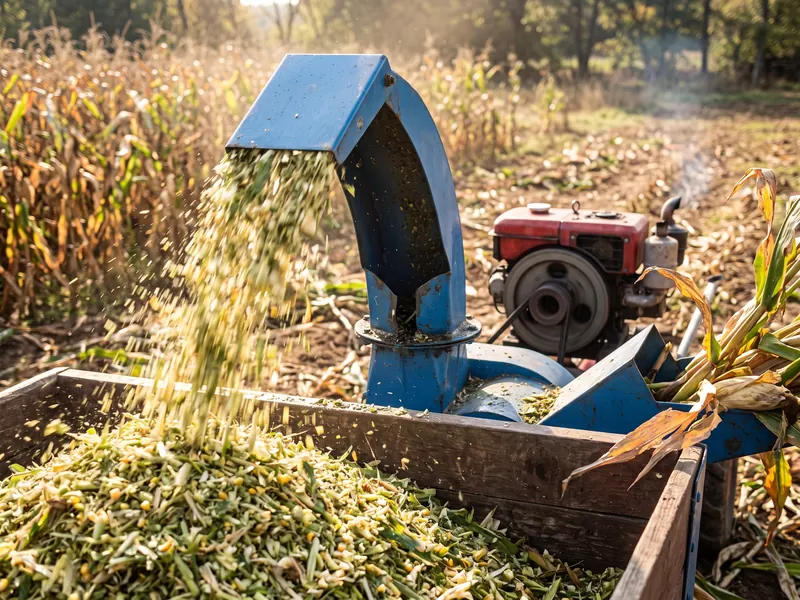
Short, even pieces release plant sugars and pack without air gaps. Our chaff cutters chop green or wilted crop straight into a trailer, pit or baler.
Control point: set the chop between 10 and 30 mm — shorter for maize and drier crop, longer for wet grass.
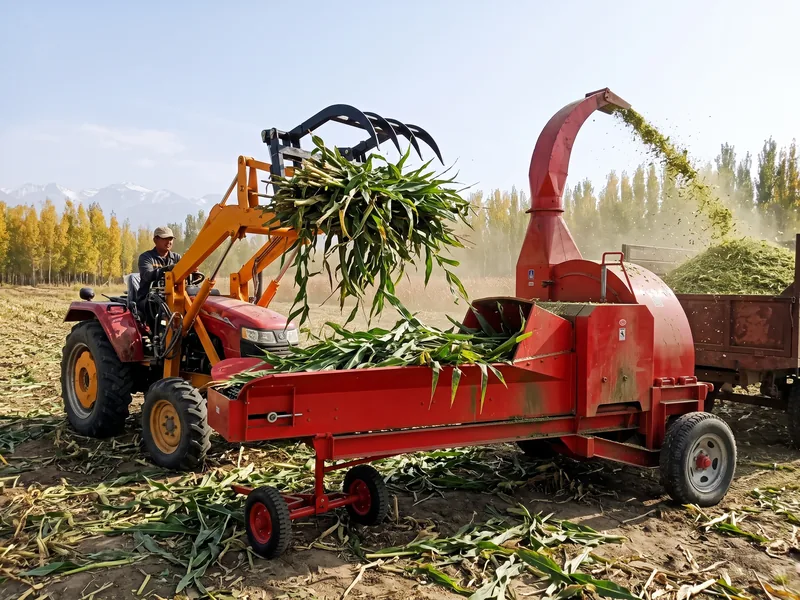
Move crop from the field heap into the cutter, and chopped forage from the cutter to the bunker, without hold-ups. A grapple loader replaces several workers feeding by hand.
Control point: keep crop moving — harvested material should not sit in heaps for hours before chopping.
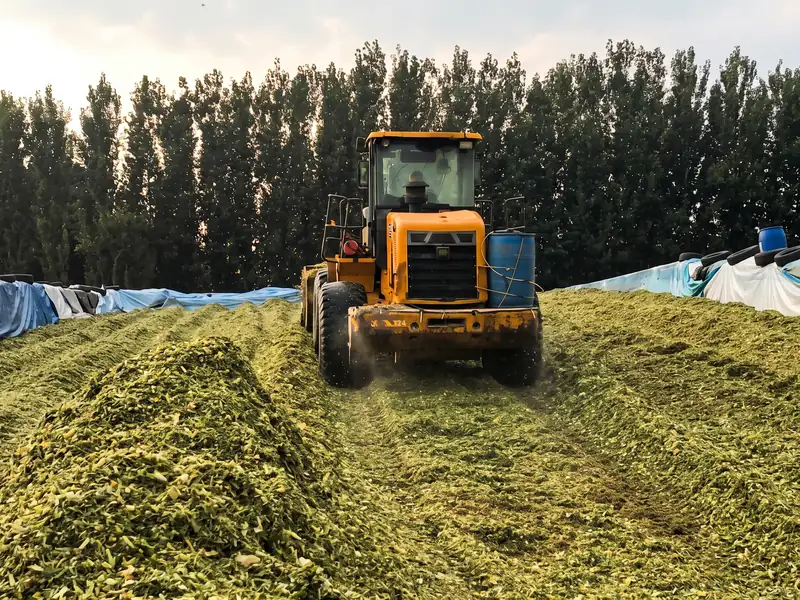
Spread chopped forage in thin layers and roll each layer with a tractor or wheel loader. Density pushes air out so lactic-acid bacteria can take over.
Control point: fill in layers of roughly 15–30 cm and keep rolling until the next load arrives.
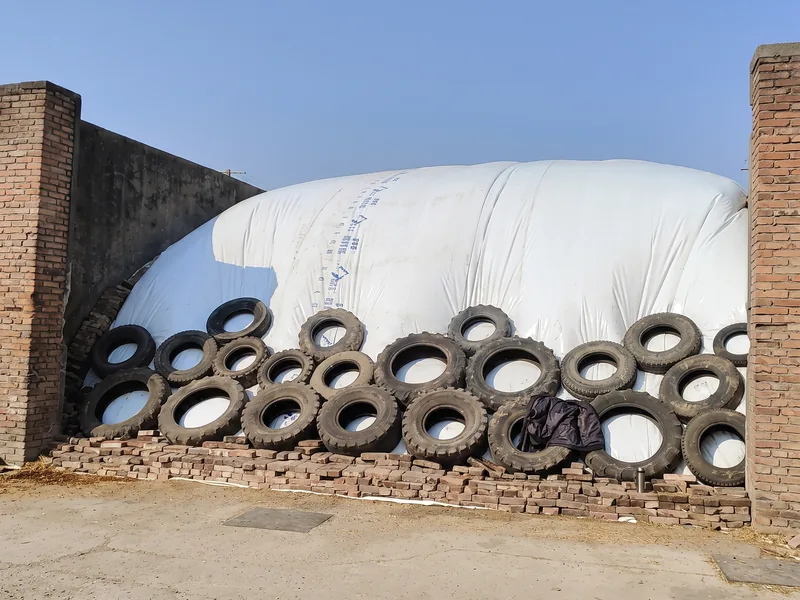
Cover the bunker with silage film weighted by tyres or sandbags as soon as filling ends. Without a bunker, bale and wrap each portion of chopped forage in film instead.
Control point: seal the same day filling finishes and check the cover for tears regularly.

Leave the silage closed while it ferments, then open one face and remove a fresh layer each day. Well-chopped, well-packed silage feeds evenly and wastes less at the bunk.
Control point: allow at least three weeks before opening, and keep the open face small and clean.
Configuration by Scale
The steps are the same at every scale — the machines are not. Start from how many tonnes of fresh crop you need to chop on a busy day, then match drive type and storage to what your site already has.
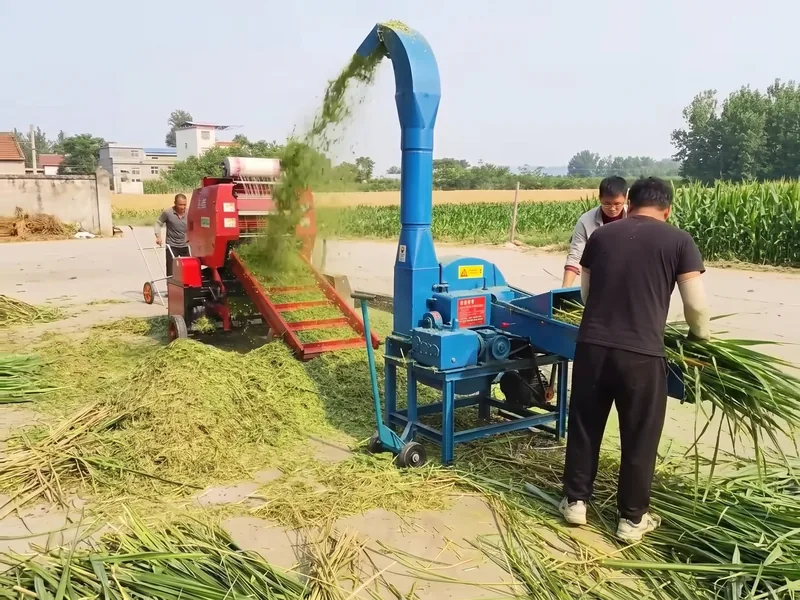 Small farm
First-time silage makers, family dairies and goat or sheep units.
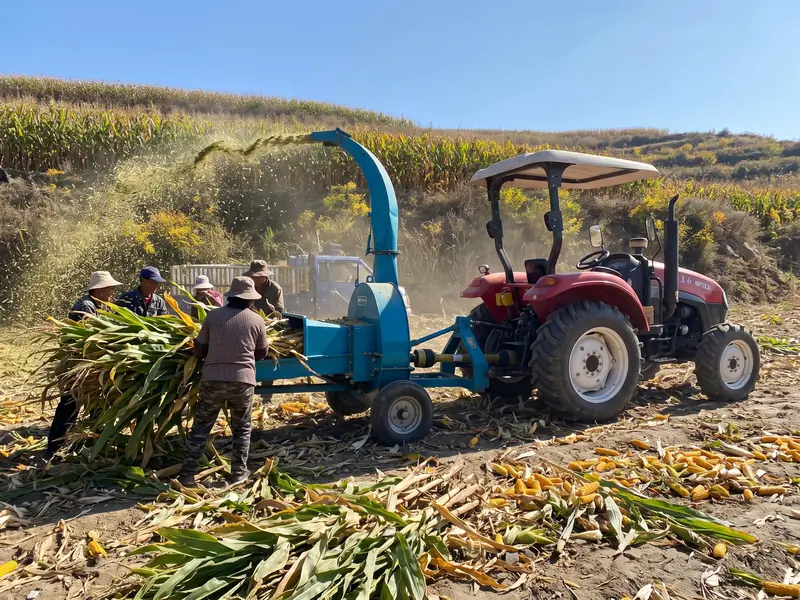 Medium ranch
Farms filling their own bunkers every season with whole-plant corn or grass.
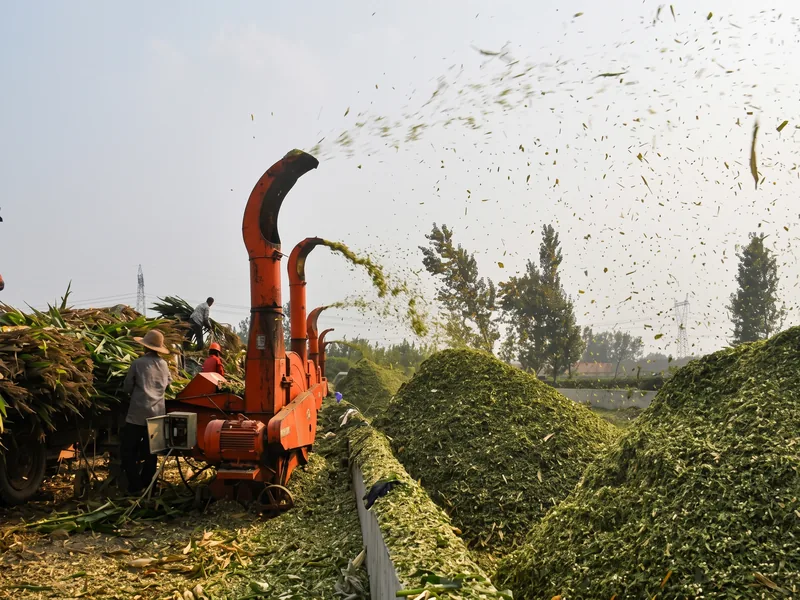 Large farm
Commercial dairies, feedlots and cooperatives that sell or share silage.
Capacities are typical ranges and vary with crop, moisture and chop length. Not sure which tier you are in? Tell us your crop and daily tonnage and our engineers will size the line for you.
Application Scenarios
Choose the situation closest to yours to see the recommended machine combination, the settings that matter and the product pages with full specifications.

Scenario 01 · First-time silage
Making silage for the first time does not need a harvester or a concrete bunker. One reliable chaff cutter turns hand-cut maize or grass into short, uniform pieces you can pack into bags, a small pit or wrapped bales.
Recommended configuration
Scenario 02 · Whole-plant corn
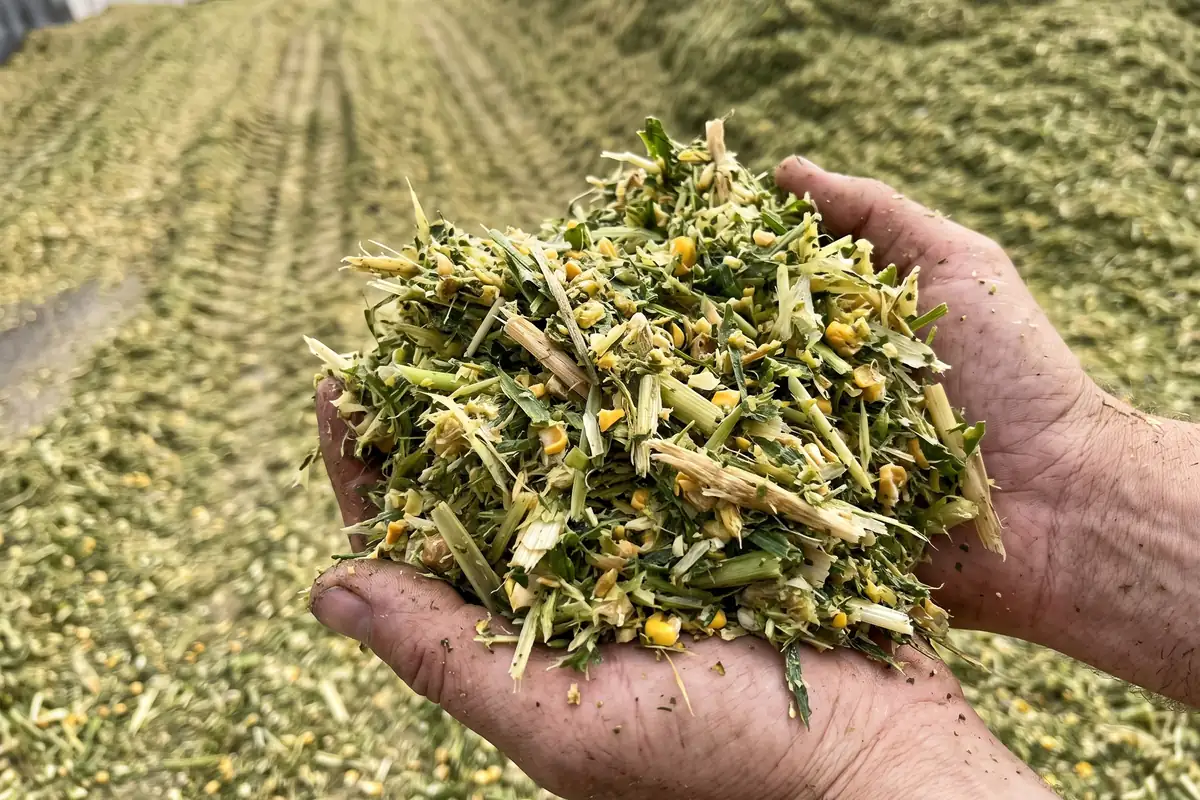
Whole-plant maize gives the highest energy silage, but its harvest window is short. The line has to cut, chop and move tonnes of crop a day without leaving it to dry in the field.
Two proven routes
Scenario 03 · Napier / elephant grass
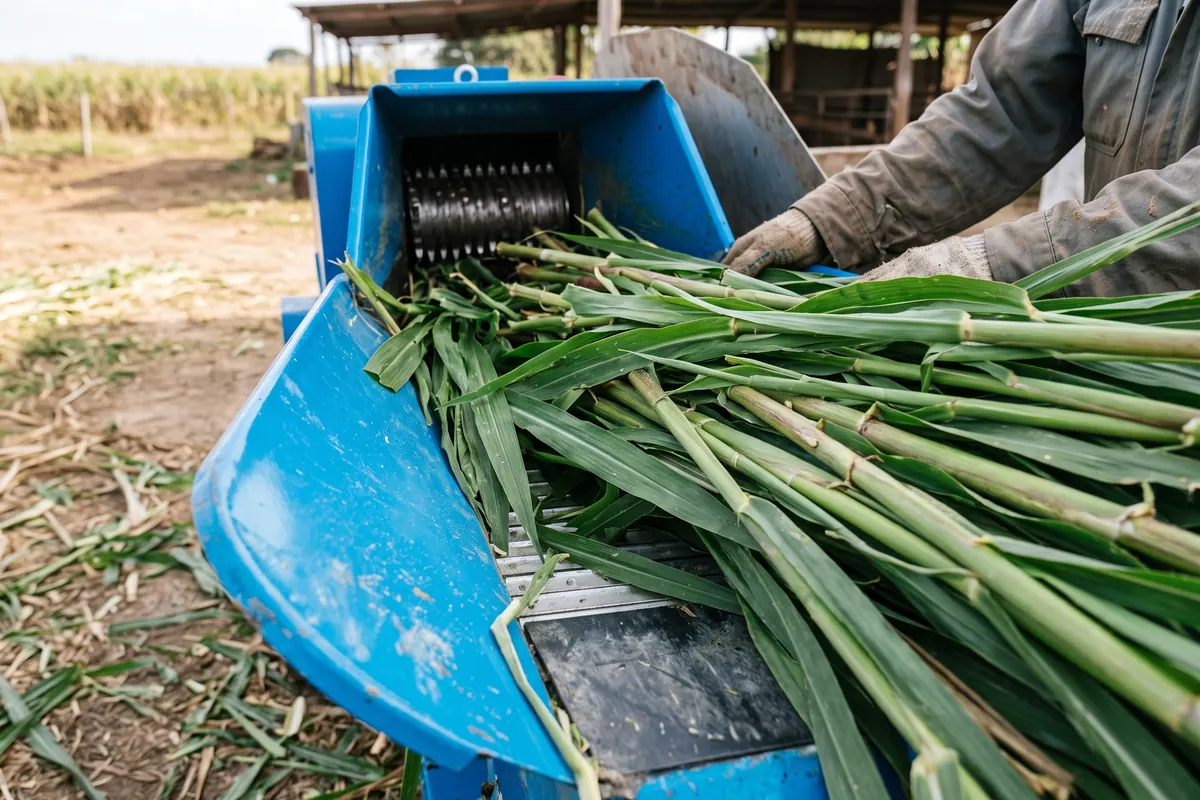
Napier grass grows tall, thick and very wet. Long stems wrap around light machines and wet grass packs poorly — so feed capacity and blade strength matter more than with soft grass. Step-by-step: how to prepare Napier grass for silage.
Recommended configuration
Scenario 04 · No grid power
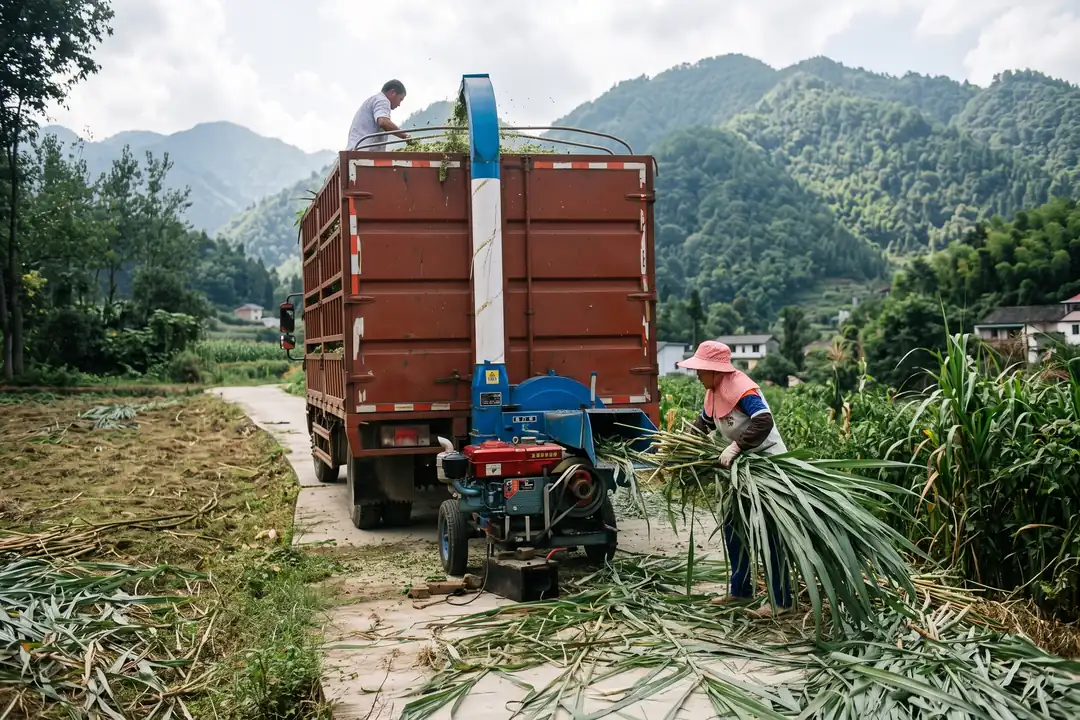
Where the grid is weak or the crop grows far from the farmyard, the chopper has to travel to the crop. Diesel and tractor-driven models keep silage work going without cables or generators. Still weighing it up? Read diesel vs electric silage chopper.
Recommended configuration
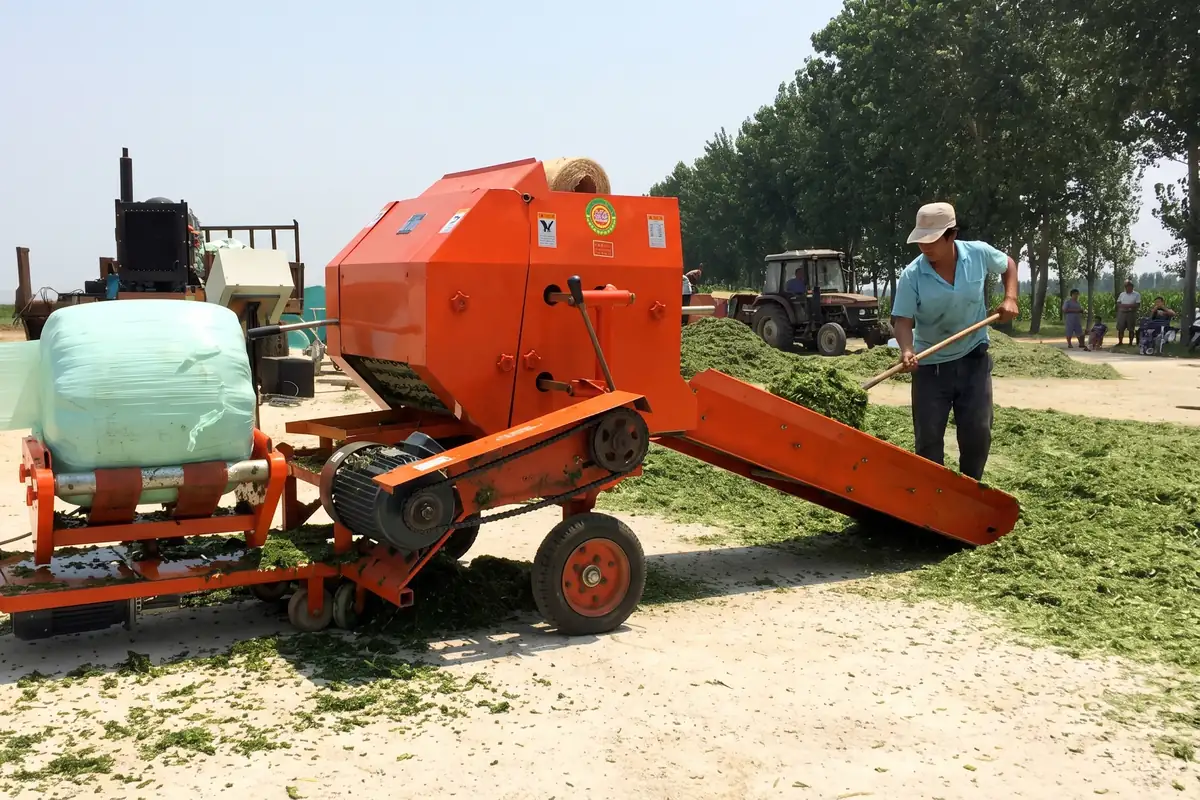
Scenario 05 · Bale & wrap storage
Baled silage suits farms without a bunker, herds too small to keep an open silage face fresh, and growers who sell silage. Each bale is sealed on its own, so opening one does not expose the rest. See the full baled silage vs bunker silage comparison.
Recommended configuration
Suitable Raw Materials
The same chaff cutter handles every crop below — what changes is when you cut it and how short you chop it. Each card shows the standing crop beside the material that comes out of our cutters.
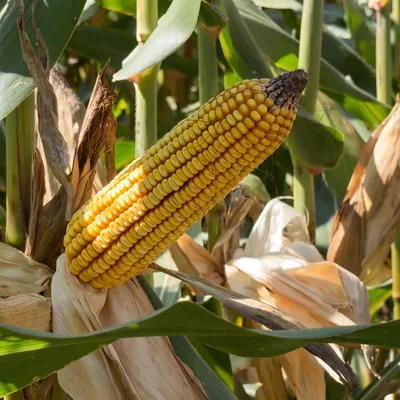

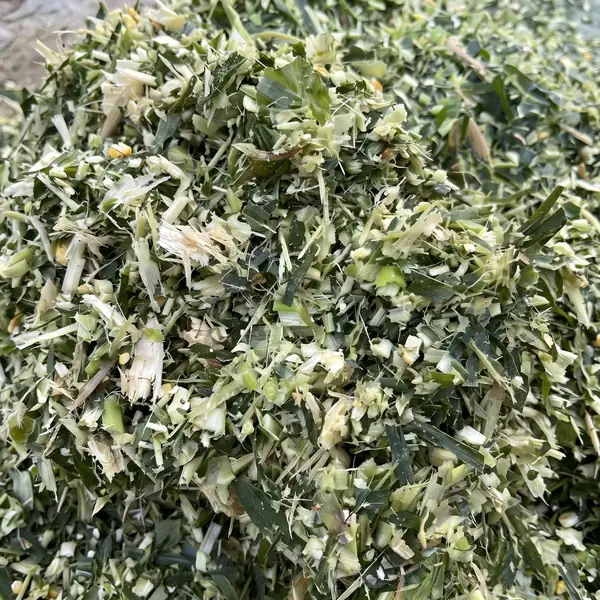
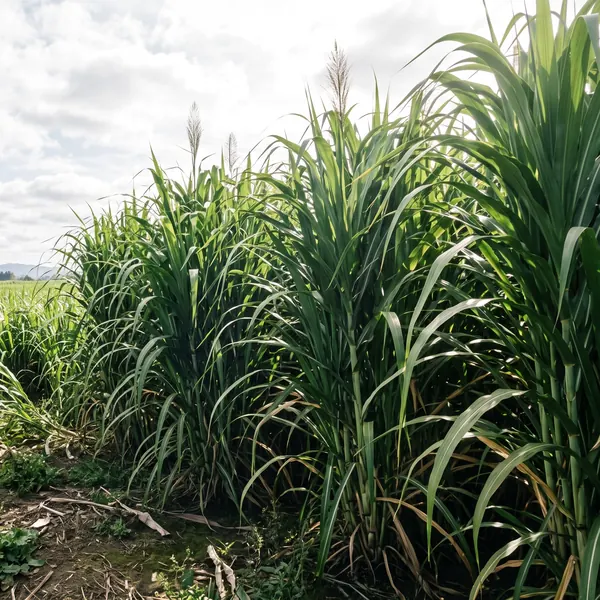
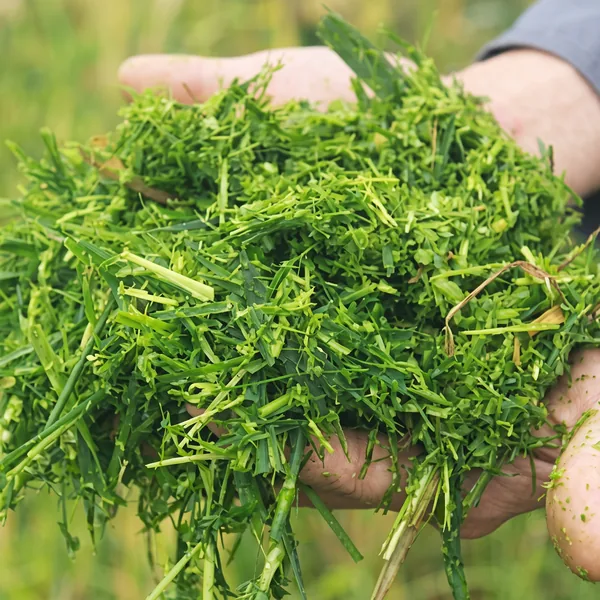
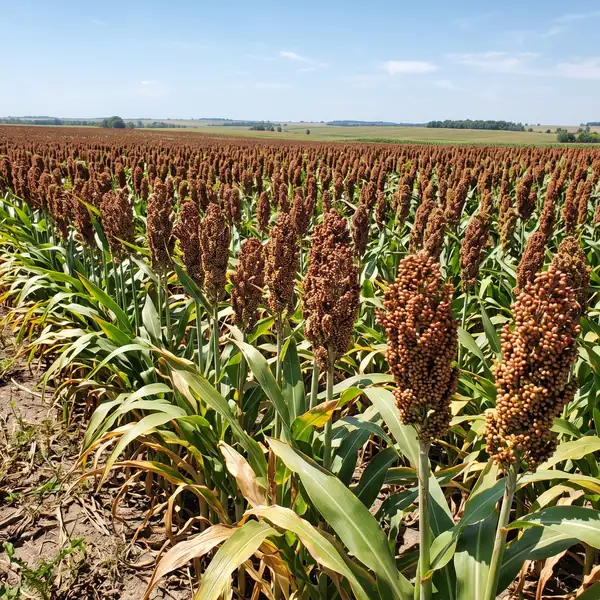
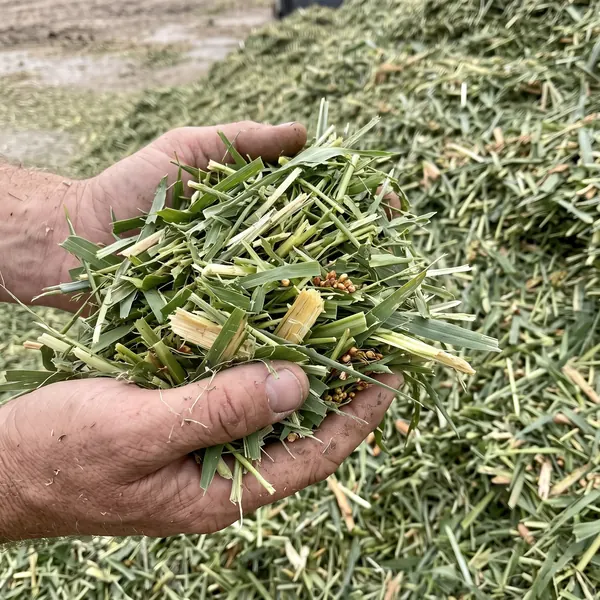

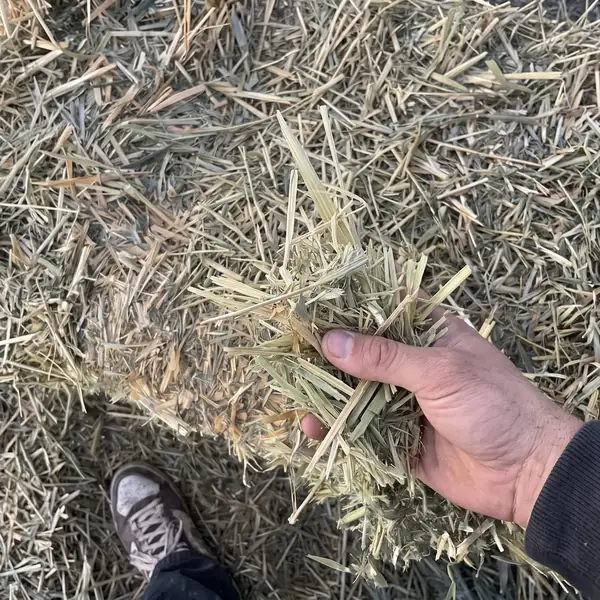
Values are general guidance. Crop variety, climate and target ration all matter — share yours and we will recommend blade setup and chop length before shipment.
Equipment Lines in Action
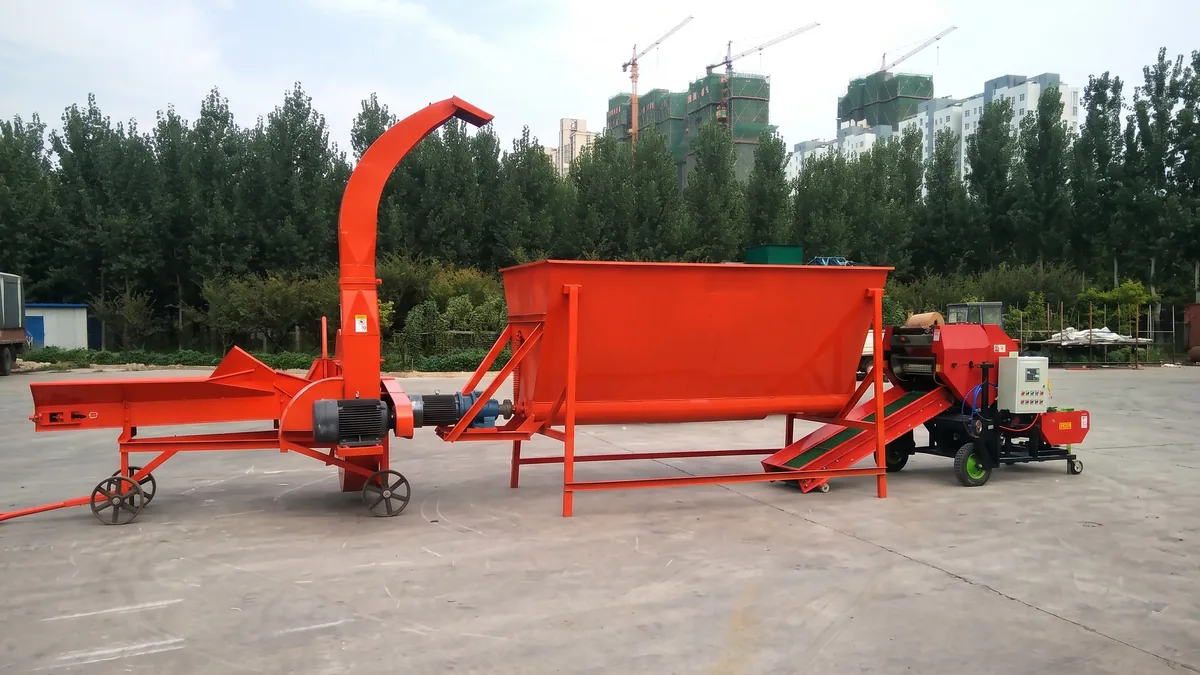
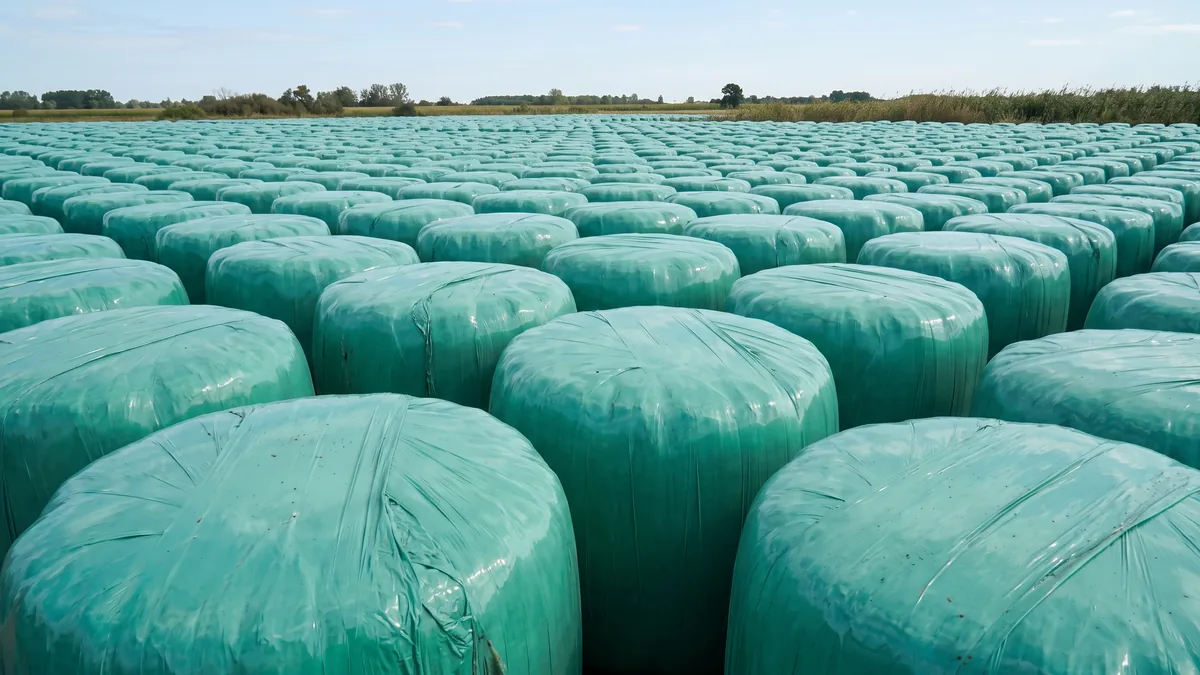
Where there is no bunker, or silage is made to sell, the line is built around the FC-585 baler: either a continuous chop-mix-bale line, or wrapped-bale storage that replaces a concrete pit entirely.
 Line 01
The chaff cutter blows chopped forage into a mixing hopper, where additives or a second forage can be blended in. The hopper discharges onto the FC-585 conveyor, which bales and wraps each portion as it arrives.
 Line 02
Wrapped bales are stored in rows on open, level ground. Each bale ferments on its own, so silage can be fed out one bale at a time — or sold to neighbouring farms — without opening a large pit face.
Machines in This Solution
Every machine below is built in our own factory and can be combined in one shipment. Open a product page for full specifications, drive options and pricing.
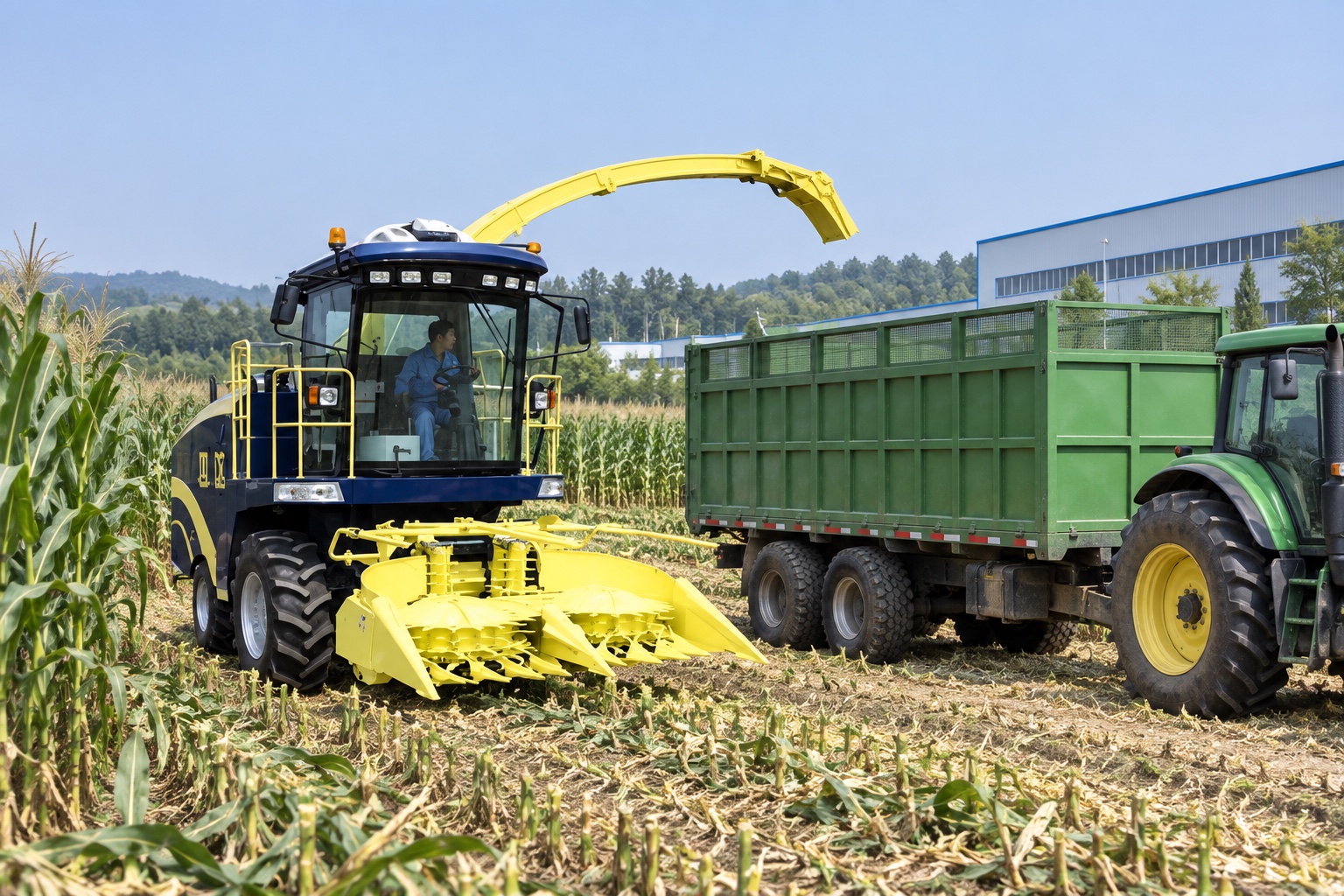
Harvest & chop
Cuts, chops, cracks kernels and loads whole-plant corn in a single pass.

Chop
FC-2.5 to FC-9 series for stationary silage chopping, with an optional diesel engine.

Chop · mobile
PTO-driven cutter that travels to the crop — no grid power or generator needed.

Chop · high volume
For large bunkers and cooperatives that chop maize, Napier and stalks all season.
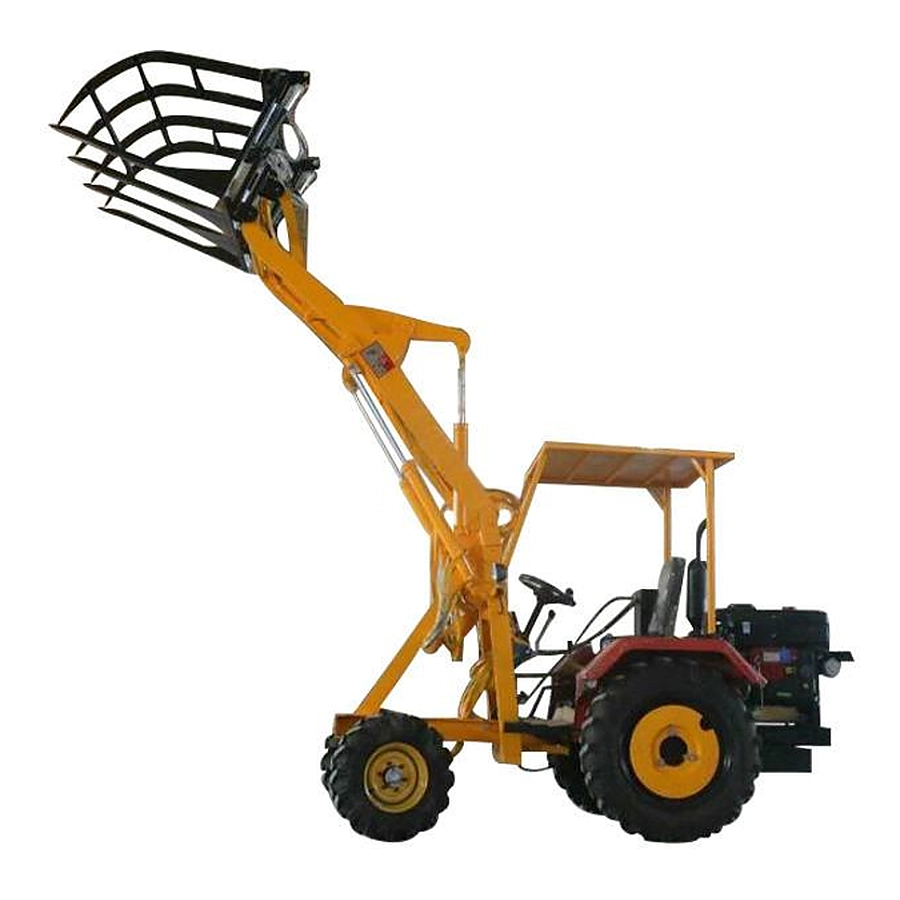
Load & feed
Grapple loader that feeds whole stalks into the cutter and loads trailers.
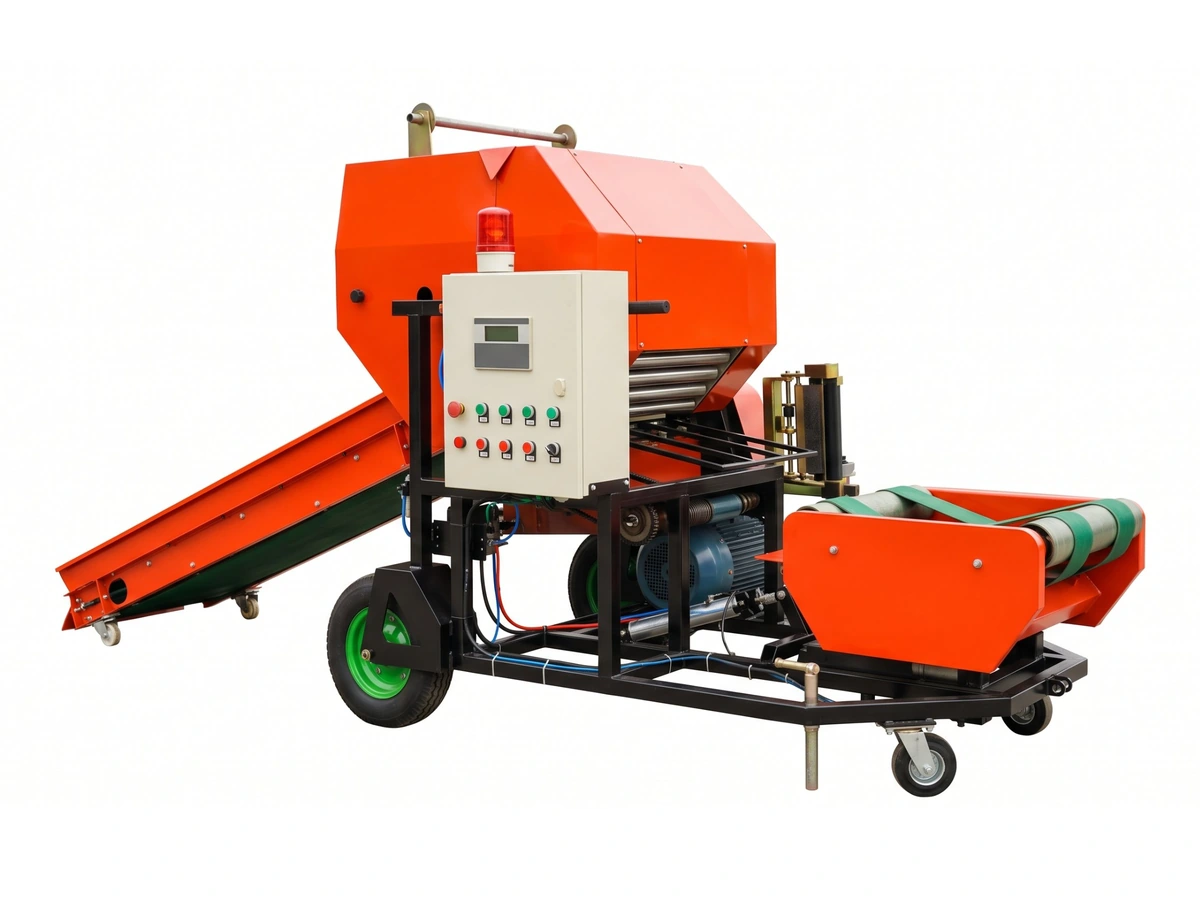
Bale & seal
Forms, binds and film-wraps chopped silage into 70 kg round bales.
Silage FAQ
Straight answers from our engineering and export team. If your question is not here, send it with your inquiry and we will reply within 12 hours.
Ask an EngineerAt minimum, a chaff cutter that chops your crop to 10–30 mm, plus a way to seal it airtight — silage bags, a small pit covered with film, or an FC-585 baler that wraps each bale. Many small farms start with a mini or FC-2.5 electric chaff cutter and add a baler later. See the small-farm configuration.
Use the short end of our 10–30 mm range for whole-plant maize. Short pieces pack more densely and push out air; drier maize needs a shorter chop than wetter maize. Kernels should also be cracked so animals can digest the grain.
Yes. For tall, thick Napier stems we recommend FC-4 or larger models, which have a chain conveyor and feed rollers as standard so long stems feed in evenly. Wilt the grass for a few hours before chopping to bring moisture down. Details are in the Napier grass scenario.
Choose electric if you chop at a fixed spot with reliable power — it is quieter and cheaper to run. Choose diesel or tractor PTO if power is unreliable, the crop is far from the yard, or you move between fields. Our FC-2.5 to FC-9 cutters accept an electric motor or a diesel engine, and tractor models run on 12–50 HP tractors.
Work from the tonnes of fresh crop you plan to harvest on a peak day and the hours you can run. As a guide, FC-2.5 chops about 1–4 t/h, FC-4 to FC-9 about 2–20 t/h, the heavy-duty industrial cutter up to 30 t/h, and the forage harvester about 10 kg/s. Send us your daily tonnage and we will size the line.
Bunkers have a lower cost per tonne for large herds that remove a full layer from the face every day. Baled silage needs no pit, suits small herds that feed slowly, and can be sold or transported bale by bale, but it uses wrapping film for every bale. Read more about baled silage equipment.
Blades, belts and bearings are the normal wear parts on a chaff cutter. Golden Machinery supplies quality, fairly priced spare parts for the lifetime of every machine you buy from us, and we recommend ordering a set of spare blades with the machine.
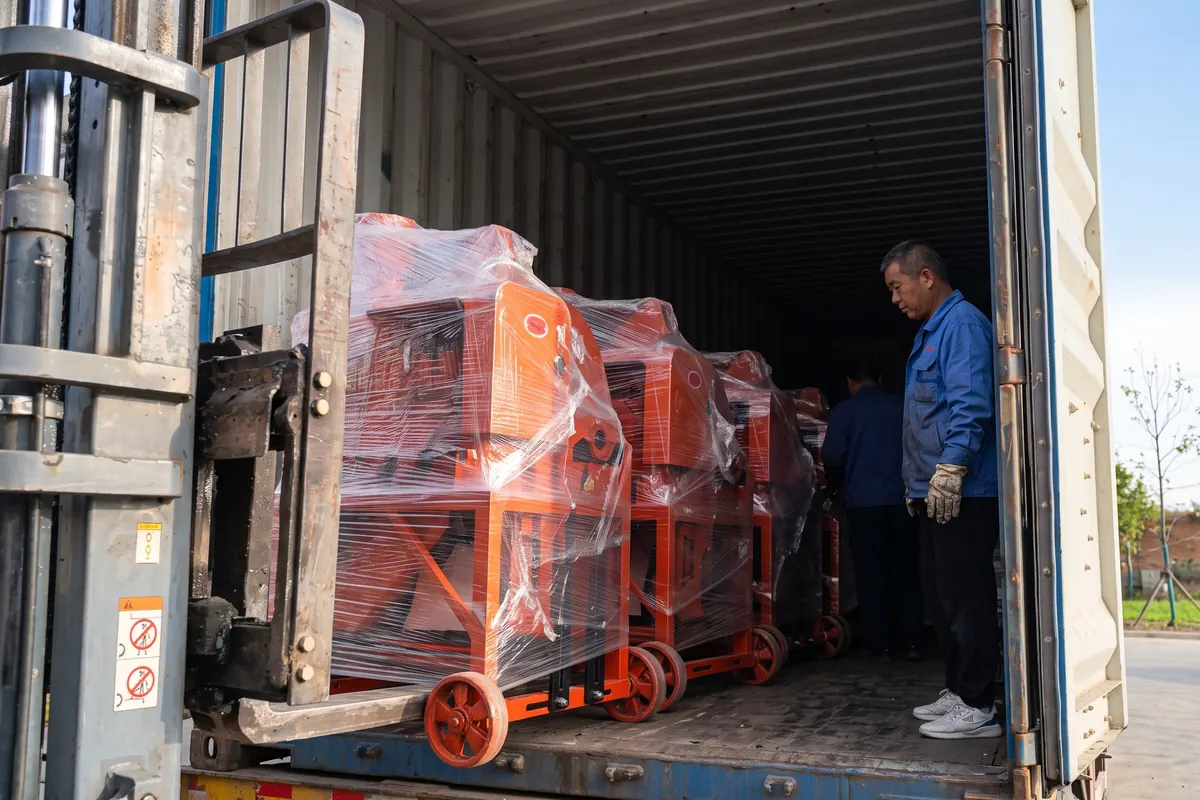
Production and delivery to port typically take 3–4 weeks after order confirmation. Machines ship in seaworthy wooden cases or are secured inside containers, and a complete line — harvester, cutter, loader and baler — can be combined in one shipment.
Get Your Silage Configuration
With these details our engineers can recommend models, drive type and spare-parts kit in the first reply, instead of a long back-and-forth.
Free configuration advice from the factory. Fields marked * are required.