
Describe the residue stream
List each crop residue, its condition and seasonal quantity. Record stem length, moisture and visible soil or foreign material alongside a representative sample.
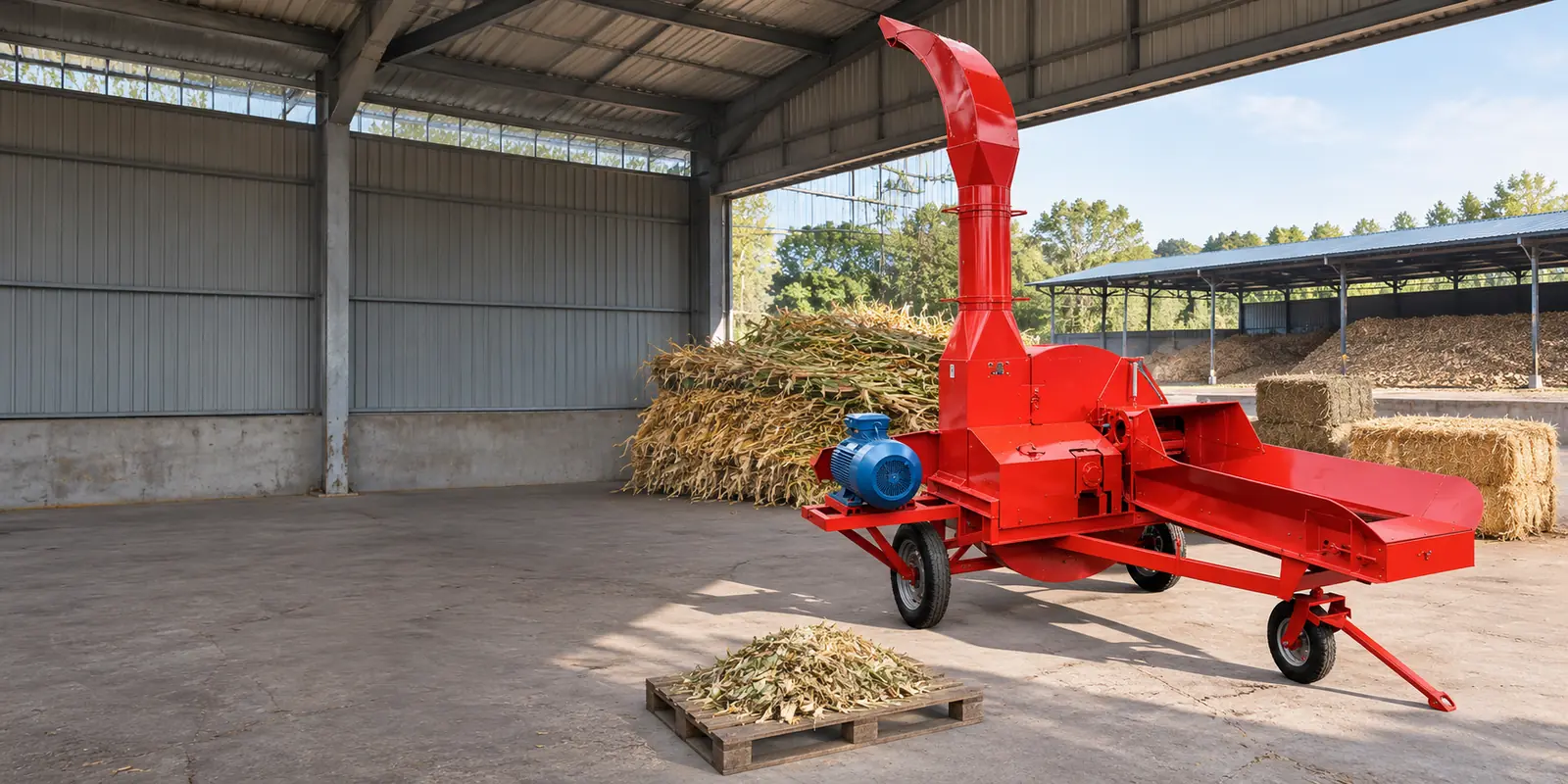
Crop residue project planning
Plan the material flow, from crop residue to prepared biomass.
Bring the residue source, arrival condition, working hours and next-use target into one practical preparation plan.
Start with the operating brief
Three planning decisions help organize a biomass preparation project: what residue is available, how it moves through the site, and what the downstream process needs to receive.
List each crop residue, its condition and seasonal quantity. Record stem length, moisture and visible soil or foreign material alongside a representative sample.
Show whether material arrives loose or baled, where it is stored, and how it moves from receiving to the chopping stage and prepared-material buffer.
Use the pellet, briquette or other customer process requirements to define the preferred particle condition, moisture range and transfer arrangement for the next step.
Share the quantity per shift and the actual hours available for material processing. Together, they form a clear workload target for discussing the preparation route.
Six-stage material flow
Plan each handoff from residue collection through condition checks, logistics, chopping, buffering and the downstream material specification.
Project route
A clear path from incoming residue to the next process
Baled material enters the chopping route after a bale-opening step. Pellet and briquette handoffs are planned against the receiving process requirements.
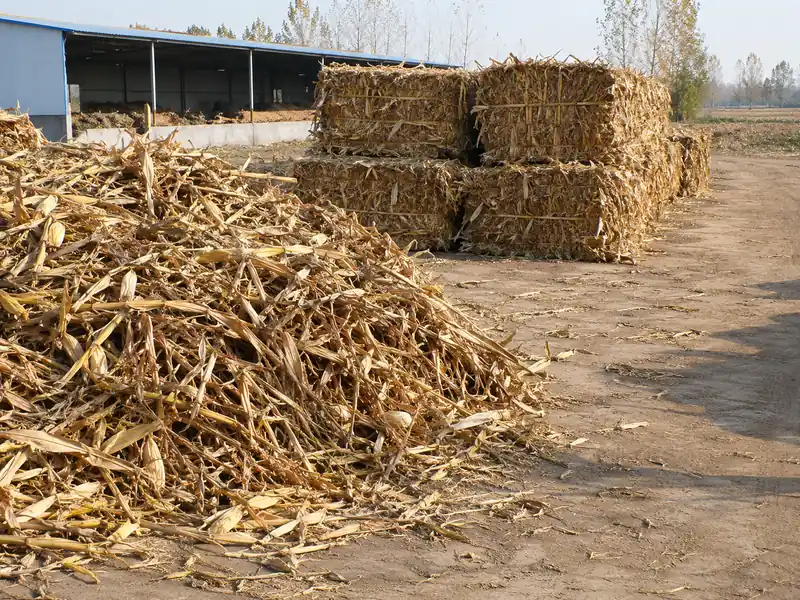
Start with the crop residues available after harvest and describe their source, seasonal volume and collection route. This sets the material and timing brief for the project.
Record crop type, stem length, moisture and visible soil or foreign material. These details guide sample review, feeding arrangements and the intended prepared size.
Compare storage space, loading, transport and the receiving area for loose or baled arrivals. The GC-06 Grass Loader is a yard-handling option for loose straw, grass and corn stalks before the cutter infeed. Bales are opened before the material enters chopping.
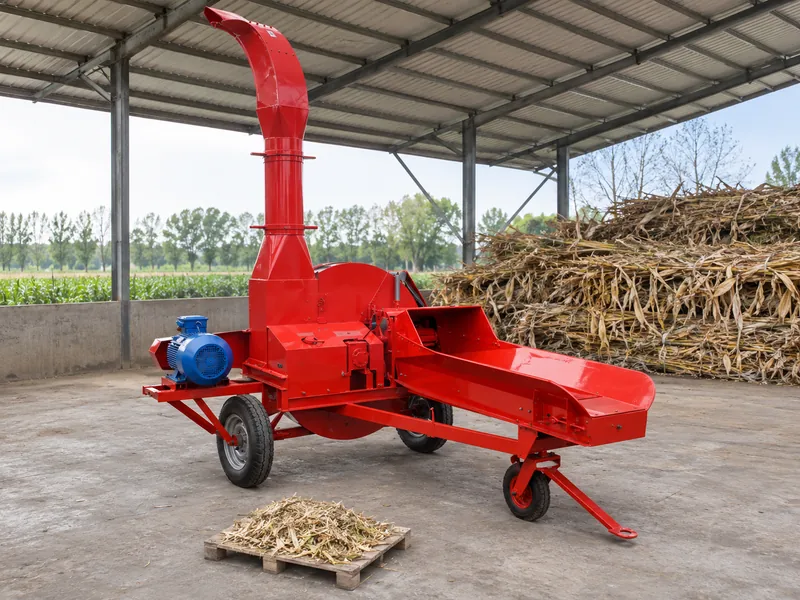
Discuss the heavy chaff cutter against the residue type, sample condition, required particle size, shift quantity and available processing hours.
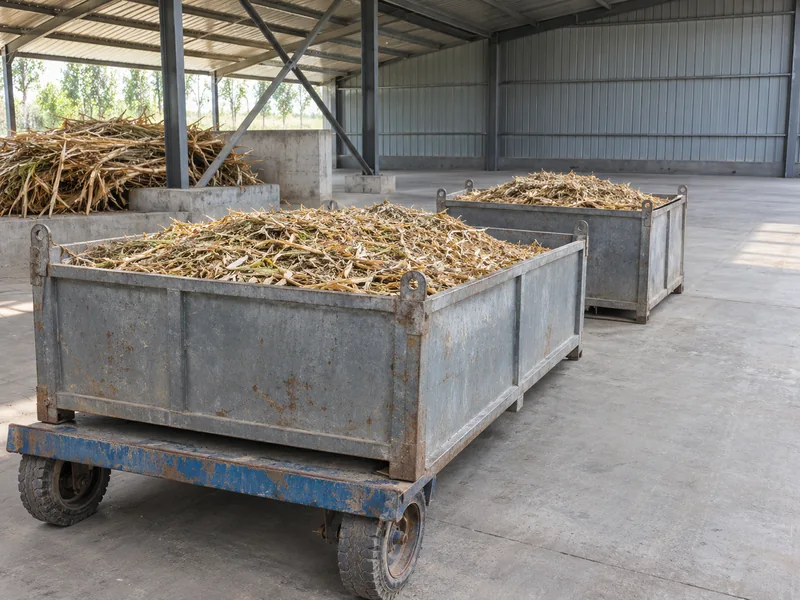
Plan where chopped material lands, how it is buffered, and how it moves onward to storage or the next operation.
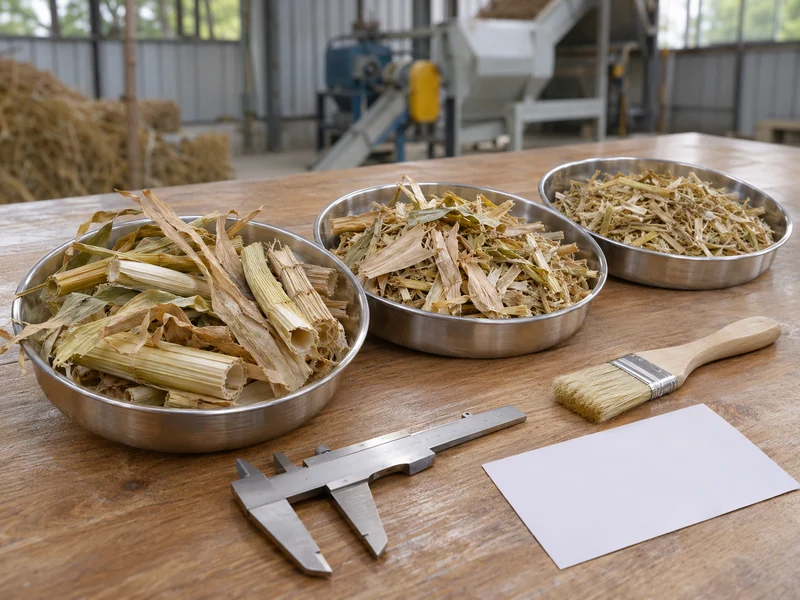
Ask the pellet or briquette customer what moisture, particle condition and feed arrangement the receiving process expects. Use those requirements to plan the final material handoff.
Project configuration
Organize equipment choices around the residue, its arrival condition and the requirements of the next process.
Describe crop type, stem length, moisture, visible contamination and representative seasonal quantity.
Map how material is collected, transported, received, stored and moved toward the chopping stage.
Collect the next customer process's material specification before finalizing the preparation target.
Project planning scenarios
Use a scenario to focus the first discussion, then refine it with samples, workload and site information.
Start with the residue source, collection season, route to the yard and target quantity per shift. The brief can then connect collection, heavy chopping and site handling.
Ask the pellet-line customer for its incoming material specification. Use the stated moisture and particle requirements to plan the chopping step and transfer point.
Describe the stalks by length, moisture, season, amount per shift and collection method. Representative samples help shape the heavy-chopping discussion around the incoming material.
Compare storage volume, truck loading, receiving space, handling time and the point where material is opened before chopping. Use the same quantity and travel route when comparing the two logistics patterns.
Obtain the briquette line's incoming-material requirements first. Use its target particle condition and moisture expectations to guide sample review, chopping and material transfer planning.
Equipment portfolio
Review published product details alongside the crop-residue brief, arrival route and next-process target.

Explore FC-9A and FC-30 heavy chaff cutters for crop-residue preparation. Match the configuration to your material sample, target size, active hours and available power.
Explore Heavy Chaff Cutter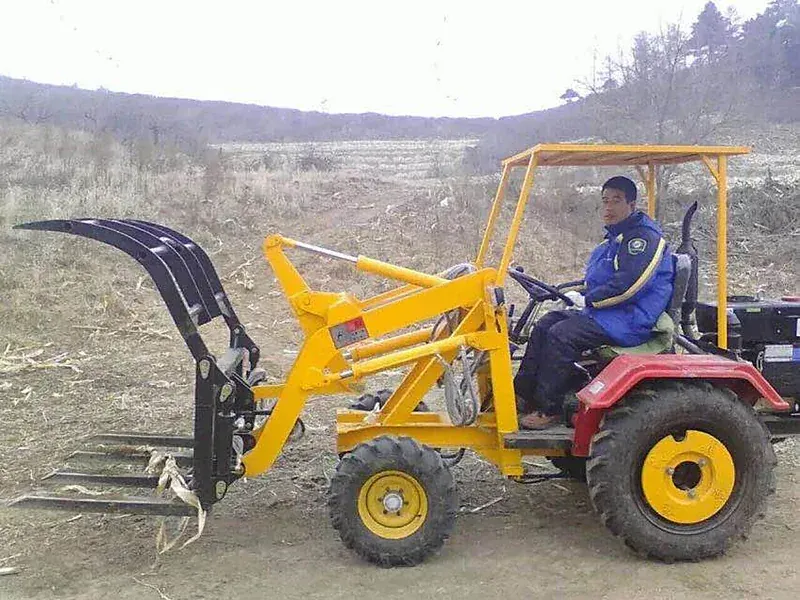
The standard hay and straw grapple supports yard handling of loose straw, grass and corn stalks to a truck, stack or cutter infeed.
Explore Grass Loader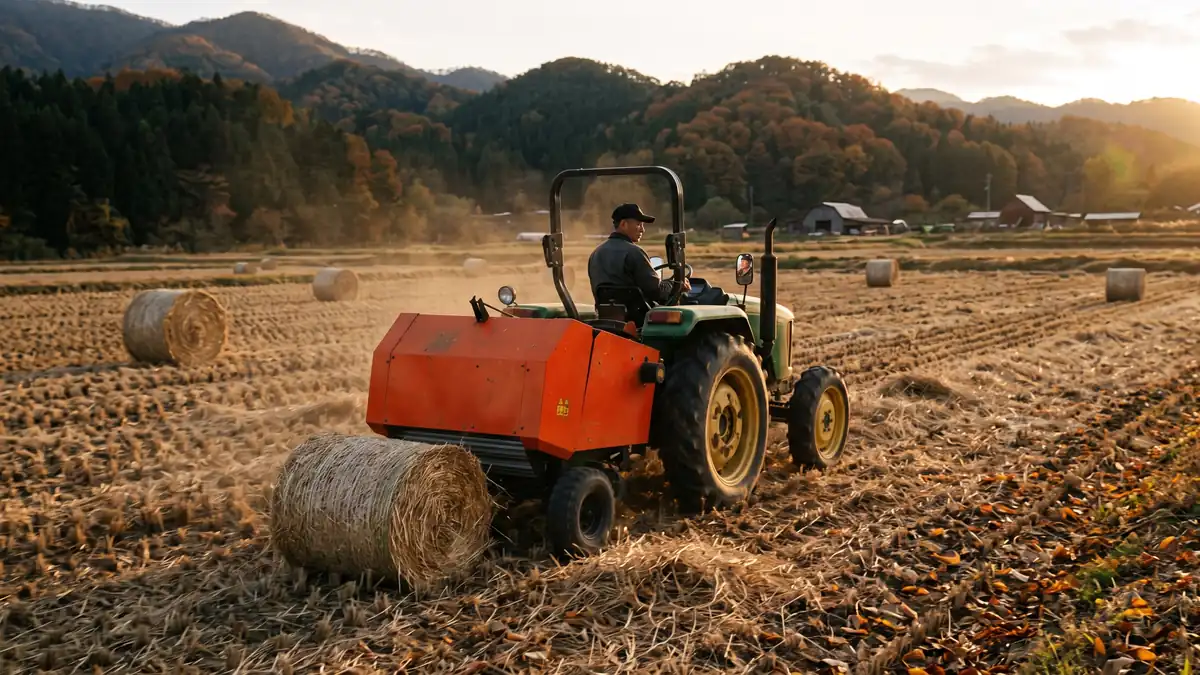
For dry straw in a field windrow, review the tractor PTO pickup round baler section on the product page as a collection and transport option.
Review Dry-Straw Pickup BalerProject planning tool
Use shift quantity, active processing hours and a planning allowance to set a project target for discussion.
Compare the target with representative material, crop condition and the selected equipment details during project review.
Prepare the project brief
A concise project brief helps connect crop residues, working hours, site flow and the next process in one review.
Crop type, moisture, stem length, visible contamination and a representative sample.
Kilograms per shift, actual active hours, seasonality and the planned number of working days.
Preferred particle size or receiving specification for pelletizing, briquetting or the next use.
Available power, floor space, feed and discharge points, receiving area and yard layout.
Loose or baled arrival, route to the processing area, storage and the collection or buffer point.
Receiving process, handoff position, material checks and the preferred transfer method.
Project questions
Share crop type and condition, moisture, stem length, collection method, kilograms per shift, active processing hours, available power, site layout and the next process's material requirements.
Compare storage volume, transport, loading, receiving space and handling time for the same material quantity and route. Plan a bale-opening step before chopping when material arrives baled.
Place bale opening after receipt and before the heavy chaff cutter. Include the bale arrival area, opening position and onward feed route in the layout.
Chopped straw can be reviewed against the pellet line's incoming-material specification. Check moisture, particle condition and the downstream requirements before choosing the next step.
Describe stalk length, moisture, collection method, sample condition, quantity per shift and target prepared size. Then compare the project brief with the heavy chaff cutter details and site route.
The GC-06 Grass Loader page lists a standard hay and straw grapple for loose straw, grass and corn stalks, with movement to a truck, stack or cutter infeed. Use the site sketch to plan the handling route.
Further reading
Use the published product and material pages to prepare a focused residue and handling brief.
Return to the company homepage and browse the wider equipment range.
Read about the equipment supplier and company background.
Browse published equipment and material guidance.
Review crop-residue material condition and compatibility considerations.
Review the industrial chopping product details for the project route.
Review loading options for yard movement of loose crop residues.
Find the tractor PTO pickup round baler details for dry-straw logistics.
Browse the company's farm, forage and processing solution pages.
Start a biomass project discussion
Send the material, workload and receiving-process details needed to map the preparation flow.
Share a site sketch and material notes to begin discussing the project route.