
How to Improve Silage With a Hay Chopper Machine
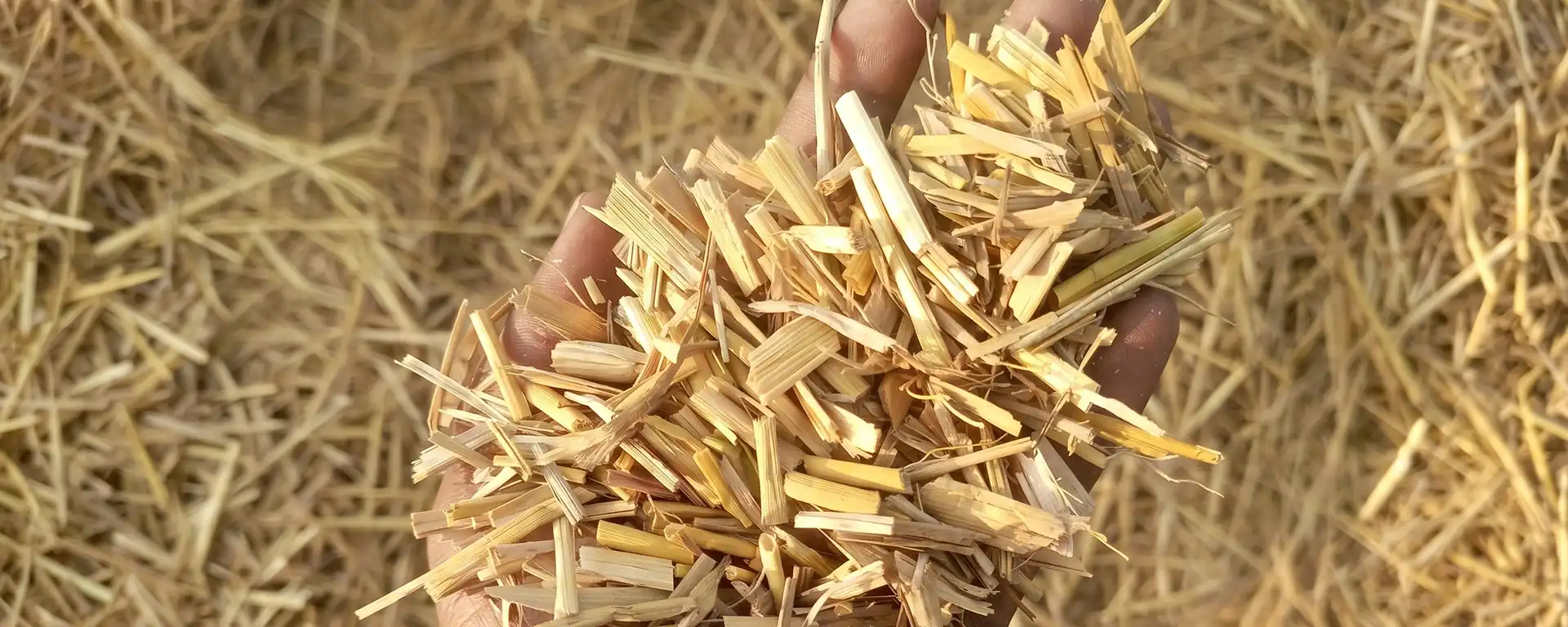
A hay chopper is essential for silage storage and preservation because it cuts crops into uniform, short pieces that pack tightly together, exclude oxygen, and promote rapid anaerobic fermentation. When you harvest forage without pre-treating it, bulky stems create massive air pockets of trapped oxygen inside your silage bunkers or bales. This lingering oxygen triggers severe aerobic decay, turning your hard-earned feed into toxic, moldy silage that destroys key nutrients. If fed to your livestock, this spoiled ration leads to severe herd health issues, drastic drops in daily milk production, and heavy financial losses. To safeguard your farm’s investment, using a reliable hay chopper machine is the ultimate way to secure tight compaction, block out rot-causing air, and preserve top-tier silage for months.
Why buy a hay chopper machine?
You should buy a hay chopper machine because it is the most reliable way to process raw agricultural residues into highly digestible, easily fermentable livestock feed. By reducing particle size, this high-performance equipment ensures that your storage piles remain free from nutritional decay. Investing in these versatile hay choppers helps you optimize your daily farm workflows and secure a robust feed supply.
How to optimize silage compaction?
You can optimize silage compaction by slicing your forage into uniform 10 to 30 mm segments that pack tightly together under weight. This high density eliminates internal oxygen pockets and stops mold growth before it starts.
Why does this matter?
- Achieves maximum bale density to eliminate rot-causing oxygen.
- Accelerates the rapid drop in pH necessary for ideal fermentation.
- Creates a stable anaerobic environment for long-term storage.
How to enhance fermentation quality?
You enhance fermentation quality by using a physical process that ruptures plant cell walls to release essential soluble carbohydrates. These natural sugars feed the beneficial lactic acid bacteria that preserve your forage crops.
Think about it:
- Releases plant cell juices to fuel beneficial preservation bacteria.
- Ensures a rapid drop in lactic acid to cure feed quickly.
- Preserves critical proteins and vitamins for healthier livestock.
How to prevent costly feed wastage?
You prevent costly feed wastage by chopping your raw hay and stalks so small that livestock cannot selectively sort through the feed and reject the tough stems. This uniform mix forces animals to consume the entire nutritious ration rather than leaving half of it on the ground.
Look at this:
- Eliminates selective feeding habits in picky cows and sheep.
- Reduces overall feed refuse in the barn by up to forty percent.
- Maximizes the economic return on every acre of harvested forage.
Key Takeaway: Processing uniform feed sizes ensures your herd eats every bite, eliminating waste and significantly cutting down your seasonal feed purchase costs.
How does a hay chopper machine work?
A hay chopper machine works by mechanically feeding crop stalks into a high-speed rotating rotor where sharp knives cut them cleanly against a fixed bed-knife. This mechanical action ensures every stem is chopped to a consistent length before being blown out of the chute. Using a heavy-duty hay-cutting machine ensures that even tough, woody stalks are sliced with absolute precision.
What is the feeding roller mechanism?
The feeding roller mechanism is a pair of dual-drive, spring-loaded rollers that grab and compress loose materials as they enter the machine. This continuous pressure locks the crop stalks firmly in place so they cannot slip during slicing.
Here is the kicker:
- Dual-drive spring-loaded rollers firmly grip incoming loose stalks.
- Compresses bulky grasses to ensure a clean, straight cut.
- Protects operators by automating feed intake away from dangerous blades.
Why use high-speed spinning blades?
You use high-speed spinning blades made of heavy-duty steel because they cleanly slice through dense materials without bruising or shredding plant fibers. This clean cut keeps key juices locked inside the crop pieces rather than letting them leak onto your field.
You might be wondering:
- Manganese steel knives mounted on a heavy rotor cut cleanly.
- Prevents frayed edges, protecting feed nutrients from leaching.
- Maintains physical sharpness over months of continuous operation.
How is uniform material discharged?
Uniform material is discharged through an adjustable chute by high-velocity thrower blades that generate strong airflow to blow the cut silage directly into your storage cart. This powerful pneumatic throw prevents any clogs inside the cutting chamber.
Think about it:
- Integrated blowing-fan plates push chopped material out forcefully.
- Adjustable discharge hoods direct the flow straight into wagons or pits.
- Eliminates internal crop buildup to guarantee constant uptime.
Key Takeaway: The continuous flow of materials keeps your silage prep moving quickly, reducing labor hours and keeping your workspace clean.
Can a hay chopper machine save money?
Yes, a hay chopper machine can save money by dramatically reducing feed waste, reducing manual labor costs, and protecting your expensive downstream packaging equipment from physical damage. By preparing crops for easy packing, it lets you store more feed in less space. This high-efficiency forage chopper machine is an investment that pays for itself within a single harvesting season.
How to reduce overall labor costs?
You reduce overall labor costs by replacing tedious manual chopping chores with an automated system that handles tons of materials per hour. This massive throughput frees up your valuable farmhands to focus on other core tasks.
Why does this matter?
- Replaces multiple workers with a single high-efficiency mechanical solution.
- Saves hours of daily manual preparation and feed distribution.
- Lowers operational costs for mid-to-large-scale dairy operations.
How to minimize storage space needs?
You minimize storage space needs because finely cut forage packs tightly and occupy up to 40% less physical volume than bulky, unchopped straw. This allows you to stack more feed within your existing bunkers and silos.
Look at this:
- Saves up to forty percent of physical barn space.
- Reduces plastic film usage for wrapping silage bales.
- Reduces transportation costs by allowing you to load more per trip.
How to protect expensive baling gear?
You protect expensive baling gear because pre-chopped material feeds smoothly into the baling chamber, without wrapping around the rollers or jamming the gears. This smooth flow prevents costly mechanical breakdowns and high-torque strain.
Here is the kicker:
- Prevents tough, long stalks from wrapping around internal shafts.
- Reduces mechanical wear on high-torque drive belts and chains.
- Minimizes operational downtime during critical weather windows.
Key Takeaway: Shorter, processed fibers feed smoothly into balers, saving you thousands of dollars in machinery repairs and extending the life of your gear.
What makes a hay chopper machine durable?
A durable hay chopper machine features heavy-duty structural steel, wear-resistant blades, and precision-balanced components designed to handle continuous high-volume operation. These robust features ensure that the machinery remains fully functional during high-pressure harvesting windows. Integrating a rugged hay shredder machine into your daily workflow means you will spend less time on maintenance and more time producing premium feed.
Why use manganese steel cutting blades?
You use manganese steel cutting blades because this specialized alloy has excellent wear resistance and naturally hardens under repeated impacts. This means the knives retain their razor-sharp edges far longer than cheap carbon steel alternatives.
Think about it:
- Resists physical wear and dynamic impacts from tough crops.
- Reduces the need for frequent blade sharpening and downtime.
- Delivers clean cuts even after processing tons of dense straw.
Why select all-copper electric motors?
You select all-copper electric motors because pure copper windings handle high electrical loads and dissipate heat more effectively than cheap aluminum windings. This high thermal tolerance prevents your motor from burning out during long work sessions.
You might be wondering:
- Pure copper coil windings provide superior electrical conductivity.
- Withstands sudden voltage drops without tripping safety switches.
- Extends the operational life of your motor by years.
What is a dynamic balance tested rotor?
A dynamic-balance-tested rotor is a spinning assembly that has been factory-balanced at high speeds to eliminate all structural vibrations. This precise calibration prevents structural stress and protects your machine’s heavy bearings from early failure.
Look at this:
- Eliminates physical chassis vibrations during high-RPM runs.
- Protects main bearings and welded joints from fatigue cracking.
- Guarantees a quiet, smooth-running experience for operators.
Key Takeaway: Investing in a dynamically balanced, copper-driven machine guarantees years of trouble-free operation, maximizing your machinery lifespan and farm productivity.
Is a hay chopper machine easy to run?
Yes, a modern hay chopper is extremely easy to operate thanks to simple lever controls, wide feeding hoppers, and automatic intake systems. Operators with minimal technical training can safely master the machine within a few minutes of instruction. Using this intuitive forage chopper lets you scale your silage production without worrying about complex setups or steep learning curves.
Are feeding operations simple?
Feeding operations are incredibly simple because the wide-mouth hopper layout allows you to load large bundles of crop stalks with minimal manual effort. The automatic intake rollers instantly draw in materials upon contact.
Why does this matter?
- The wide feed tray design allows quick manual or conveyor-belt loading.
- Self-feeding mechanism pulls material in without the operator pushing.
- Keeps hands safely away from the active slicing chamber.
How to make quick discharge adjustments?
You make quick discharge adjustments using quick-release levers and a multi-speed gearbox that allows you to change the throw distance and cutting lengths in seconds. This flexibility lets you switch between different feed types on the fly.
Here is the kicker:
- Shift gears easily to change cut sizes instantly.
- Rotate the high-discharge chute to direct flow where you need it.
- Adapts to varying moisture levels with simple setting tweaks.
What are the safety features?
The safety features include physical shield guards, quick-reverse levers, and a reliable emergency stop switch to protect operators from potential accidents. These mechanisms ensure complete safety during high-output sessions.
Think about it:
- Reverse gears safely to back up overstuffed materials to prevent jams.
- Full belt and pulley safety shields protect active operators.
- Grounded electrical control boxes instantly stop short circuits.
Key Takeaway: Intuitive safety controls and simple adjustments ensure that any worker can operate the machine safely, minimizing training time and boosting daily output.
Where is a hay chopper machine used?
A hay chopper machine is used on small-scale dairy farms, commercial animal feed processing plants, and large livestock breeding operations worldwide. It is the core tool used wherever fresh or dry agricultural crops must be processed for high-quality silage storage. Whether you need a compact hay chopper for horses or a heavy industrial chopper, these machines fit seamlessly into diverse agricultural business models.
How do dairy farms benefit?
Dairy farms benefit by using chopped forage to formulate precise Total Mixed Rations (TMR) that prevent cows from rejecting coarse feed. This uniform nutritional intake results in highly consistent milk output and better herd health.
You might be wondering:
- Creates uniform fodder that mixes perfectly with essential grain concentrates.
- Improves herd digestion to maximize butterfat percentage in milk.
- Saves precious feeding time for busy dairy farm workers.
Why use it in animal feed plants?
You use it in commercial animal feed plants as a pre-processing step to chop raw stalks before they are compressed into high-density pellets. This preliminary cut ensures consistent density and quality in final commercial products.
Look at this:
- Prepares tough agricultural residues for commercial pellet mills.
- Handles bulk materials efficiently with continuous, high-volume capacity.
- Ensures consistent density in commercial animal feed shipments.
Can you run it on remote properties?
Yes, you can run it on remote properties by choosing PTO-driven or diesel-engine models that do not rely on local electrical grids. This allows you to process high-quality feed directly in your pasture.
Why does this matter?
- Runs directly off tractor power in remote, off-grid fields.
- Diesel-powered setups allow maximum portability during harvest.
- Reduces need to haul heavy crops over long distances.
Key Takeaway: Versatile mobile power options allow you to process forage directly in the field, slashing your transport costs and locking in freshness immediately.
Which hay chopper machine fits your farm?
Selecting the right hay chopper machine depends on your specific daily herd size, power availability, and mobility requirements. Matching your production needs with the correct horsepower and design ensures long-term operational efficiency. By selecting the correct system, you can process your crops without wasting electricity or fuel.
When to choose stationary electric models?
You should choose stationary electric models when you have access to stable 3-phase grid power and need to process bulk silage at a fixed farm location. These units deliver the quietest and most cost-effective continuous operation.
Think about it:
- Offers the lowest operating and maintenance costs per ton.
- Provides quiet, fume-free processing inside enclosed barn structures.
- Ideal for operations with established 3-phase power grids.
Who should use portable mini chaff cutters?
Portable mini chaff cutters are perfect for small-scale breeders and horse stables with single-phase power or a small gasoline engine. These units are highly mobile and easy to maneuver around tight farm buildings.
You might be wondering:
- Perfect for small-scale horse stables and hobby farms.
- Operates smoothly on standard household single-phase electrical outlets.
- The lightweight frame is simple for one person to transport.
Are heavy-duty tractor PTO units best?
Yes, heavy-duty tractor PTO units are best for large-scale operations that harvest and process massive volumes of crops directly in remote crop fields. These systems utilize your tractor’s high-horsepower engine to shred tough crop stalks fast.
Here is the kicker:
- Utilizes the full horsepower of your farm tractor’s engine.
- Handles tough crop stalks and bulky fibers at high speed.
- Saves fuel by running processing and field work together.
Key Takeaway: Choosing the right power configuration saves thousands on fuel and electricity while ensuring your harvesting speeds match your daily feed demands.
Does a hay chopper machine boost yield?
Yes, a hay chopper boosts dairy and meat yields by turning woody, unappealing plant stalks into highly digestible, delicious animal feed. Shorter fibers are easier for livestock to chew and digest, maximizing nutrient absorption. Implementing this high-efficiency hay shredder machine ensures that your livestock convert more feed into valuable milk and body weight.
How does it improve feed digestibility?
It improves feed digestibility because shorter crop fibers are easier for rumen microbes to colonize and break down inside the animal’s stomach. This rapid bacterial breakdown accelerates passage, allowing animals to absorb more nutrients daily.
Why does this matter?
- Allows rumen microbes to break down tough plant fibers faster.
- Increases the rate of passage to allow higher daily intake.
- Maximizes the release of critical carbohydrates and protein.
Can it increase daily milk output?
Yes, it can increase daily milk output because soft, finely cut silage prevents mouth injuries in cattle and encourages higher daily feed intake. The improved nutrient absorption translates directly into higher daily milk yields and increased butterfat content.
Look at this:
- Prevents painful mouth scrapes from tough, unchopped straw stems.
- Encourages higher voluntary feed consumption in dairy cows.
- Boosts average butterfat percentage and overall milk quantity.
How does it ensure balanced diets?
It ensures balanced diets by making it physically impossible for your livestock to select sweet grain concentrates while leaving the necessary fiber behind. This complete integration creates a uniform, healthy, and fully balanced feed ration.
Think about it:
- Blends dry roughage and grains into a single uniform mix.
- Prevents acidic stomach conditions caused by grain-only diets.
- Ensures consistent nutrition for every animal in the herd.
Key Takeaway: Proper chop lengths keep your animals’ digestion highly efficient, resulting in measurable boosts in daily milk production and meat yields.
Who needs a modern hay chopper machine?
A modern hay chopper machine is required by commercial dairy farmers, livestock breeders, agricultural equipment dealers, and professional silage bale wrapper operators. It is an indispensable tool for anyone seeking to maximize agricultural profit margins and preserve food quality. Adding this versatile hay chopper machine to your operations ensures that you stay ahead of competitors by producing the highest-quality feed possible.
Do livestock and dairy breeders need it?
Yes, livestock and dairy breeders need it to lower their Feed Conversion Ratio (FCR) and secure their winter feed supplies against rot. This ensures that their herds remain healthy and productive even during the harshest winter months.
You might be wondering:
- Reduces overall feed conversion ratios for higher farm profit.
- Secures consistent nutrition during harsh winter weather.
- Supports healthy growth rates for young heifers and calves.
Should agricultural machinery dealers buy it?
Yes, agricultural machinery dealers should buy these units to offer a high-demand, reliable product line that solves real-world silage storage problems for local farmers. Providing top-quality silage prep gear builds long-term customer trust and solid repeat business.
Look at this:
- Expands your equipment catalog with highly profitable, certifiable products.
- Meets the growing global demand for high-efficiency silage gear.
- Enhances brand reputation by offering reliable machinery to local markets.
Can silage bale wrapper operators use it?
Yes, silage bale wrapper operators can use it as a pre-processing step to ensure that the materials being wrapped are uniform and free of sharp, puncture-causing stalks. This clean preparation makes the entire wrapping process much faster and more reliable.
Here is the kicker:
- Pre-cuts stalks to prevent punctures in expensive plastic wrapping film.
- Speeds up active baling and wrapping processes for custom operators.
- Guarantees that customers receive perfectly preserved, high-density bales.
Key Takeaway: Incorporating pre-cutting reduces your processing time and saves thousands on wrapping film, instantly raising your service margins.
How to clean a hay chopper machine?
You clean a hay chopper machine by shutting down all power sources, opening the main processing chamber, and removing accumulated green plant sap and debris from the blades. Consistent maintenance prevents corrosion and keeps the equipment operating at peak slicing efficiency. Establishing a clear routine with this hay chopper machine ensures long-term reliability and prevents unexpected mechanical breakdowns.
How to perform safe daily residue clearing?
You perform safe daily residue clearing by disconnecting the electrical power or shutting off the tractor engine before opening the cutting chamber’s main cover. Once safely opened, use a non-metallic scraper to clear out wet crop pulp and green sap.
Why does this matter?
- Guarantees zero risk of accidental engine startups during maintenance.
- Removes corrosive plant acids that can dull or pit steel blades.
- Ensures smooth air and crop flow for the next working day.
What is the blade inspection routine?
The blade inspection routine involves checking the cutting edges for physical dullness, small cracks, and verifying the correct clearance gap between the spinning blades and the fixed counter-blade. This step ensures clean cuts and prevents motor strain.
Think about it:
- Detects early blade wear before it causes damage to the main rotor.
- Maintains the perfect gap to prevent crop tearing or shredding.
- Maximizes cutting speed and fuel efficiency across long workdays.
How to lubricate the moving parts?
You lubricate the moving parts by applying high-temperature grease to the main rotor bearings and checking the oil level inside the gear transmission box weekly. This preventative oiling prevents metal friction and wear under heavy loads.
You might be wondering:
- Protects heavy-duty bearings from friction, heat, and moisture damage.
- Keeps internal gears running smoothly during long cutting sessions.
- Prevents rust from forming on blades during off-season storage.
Key Takeaway: Spending just five minutes on daily cleaning and lubrication can prevent major mechanical failures and keep your machine working like new for decades.
Frequently Asked Questions
Can I use a hay chopper machine for wet green grass?
Yes, you can. Heavy-duty models feature specialized non-stick internal walls and adjustable feeding rollers specifically engineered to process high-moisture green forage, fresh alfalfa, and wet corn stalks without clogging the discharge chute.
What’s the best power source for a hay chopper machine?
A three-phase electric motor is the best. For stationary farm installations, three-phase electric motors offer the lowest operating costs and quietest runs, though mobile field operations are better off using tractor PTO (Power Take-Off) drives or diesel engines.
How do I know if my hay chopper machine blades need sharpening?
You will know they are dull when the machine shreds rather than cuts cleanly. Other signs include a sudden drop in output volume, increased motor strain, and uneven lengths in the discharged feed.
Can I process dry straw and corn stalks with this unit?
Yes, you can. Modern systems utilize adjustable gearing and dual-purpose blade configurations that can switch seamlessly between wet green grass and tough, dry crop residues like straw, wheat stalks, and dry corn fodder.
What’s the best way to prevent clogging in the feeding hopper?
A steady, continuous feed rate is the best. Avoid overstuffing large bundles of tangled crops at once, and always run the machine at full operational speed before introducing material.
Summary & Strategic Action Plan
By selecting a high-quality forage prep system, you solve the persistent threat of trapped oxygen, moldy silage, and herd health issues on your farm. We are dedicated to helping you optimize your processing times, eliminate feed waste, and protect your investments with robust, field-tested machinery. To find the perfect system tailored to your farm’s unique capacity and power constraints, contact us today to receive a customized factory quote and expert guidance. Our vision is to empower modern farms worldwide with high-performance agricultural gear that ensures lasting feed security and healthy herd growth.
